


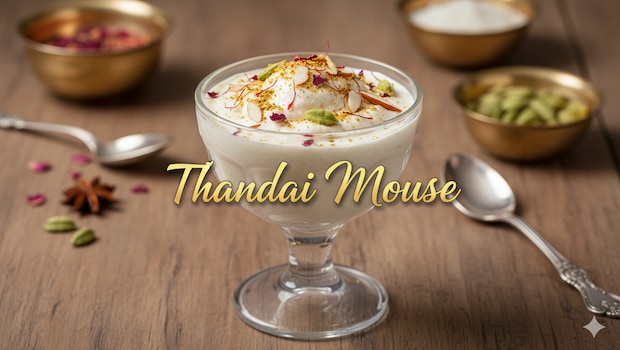
Thandai represents centuries of Indian festive tradition. It's the drink that appears at celebrations, the one you drink at harvest festivals, the one families prepare from scratch using recipes passed down through generations. The flavours are warm, complex, utterly Indian: almonds, fennel, cardamom, saffron, rose petals. Now imagine that an entirely traditional drink transformed into something completely new. Imagine thandai's earthy spiced flavours suspended within the light, airy structure of a French mousse. Imagine a dessert that tastes entirely Indian whilst being prepared using French culinary techniques. This fusion represents something genuinely important: the recognition that modern food isn't about staying pure or traditional. It's about an intelligent combination, respecting both traditions, creating something better than either could be alone. Thandai mousse achieves this perfectly. The result tastes sophisticated, feels indulgent, and remains deeply rooted in Indian flavour. It's the kind of dessert that impresses guests without requiring complicated technique. It's the kind of dessert that celebrates Indian ingredients through a global lens.
Also Read: What Are Coffee Raves? The Morning Party Trend Gen Z Is Choosing Over Nightclubs
Understanding Thandai: The Base Of Our Fusion

The Historical Context:
Thandai emerged in North India centuries ago, rooted in Ayurvedic tradition. The drink combines nuts and spices believed to cool the body and provide sustained energy. Originally prepared for Holi and Maha Shivaratri celebrations, thandai represents festive abundance. The traditional recipe uses almonds, cashews, pistachios, fennel seeds, poppy seeds, melon seeds, cardamom, black pepper, cinnamon, saffron, and rose petals.
The Nutritional Foundation:
What makes thandai genuinely special isn't merely tradition. It's the nutritional density. Almonds provide protein and magnesium. Cashews contribute copper and manganese. Pistachios add fibre and antioxidants. Poppy seeds offer calcium. Together, these ingredients create something nutritionally complete. This is why thandai sustained festive meals across centuries. It wasn't just delicious. It was genuinely nourishing.
Understanding Mousse: The French Technique
The French Innovation:
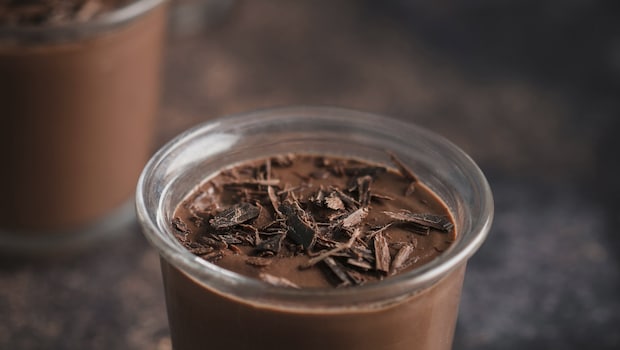
French mousse emerged in the 18th century as a culinary technique focused on aeration and lightness. The fundamental principle: incorporate air into rich ingredients to create something simultaneously indulgent and light. Traditionally, mousse uses whipped cream, egg whites, or both to create an aerated structure that feels cloud-like on the palate.
The Science Of Aeration:
When you whip cream, you're incorporating air bubbles surrounded by stabilised fat. These air pockets create the characteristic light texture. The colder the cream and the faster you whip it, the more effective the aeration. This isn't magic. It's physics. Understanding this transforms mousse from a mysterious French technique into something genuinely manageable.
Making Thandai Powder At Home
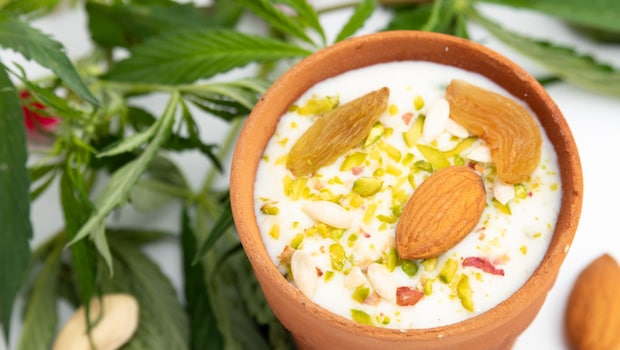
Before creating thandai mousse, you need thandai powder. Shop-bought versions work, but homemade tastes vastly superior.
Ingredients:
- 50 grams almonds
- 50 grams cashews
- 50 grams pistachios
- 1 tablespoon poppy seeds
- 2 tablespoons melon seeds
- 1 teaspoon fennel seeds
- 10-12 green cardamom pods
- 1/4 teaspoon black pepper
- 1/4 teaspoon saffron strands
- 2 tablespoons dried rose petals
Method:
Roast almonds, cashews, and pistachios at 180°C for 10 minutes until aromatic. Cool completely. In a spice grinder, add all ingredients and pulse 10-15 times. Don't over-grind because the nuts will release oils, creating paste instead of powder. The goal is fine powder with visible nut particles. Transfer to an airtight container and refrigerate for up to 2 months.
The Thandai Mousse Recipe
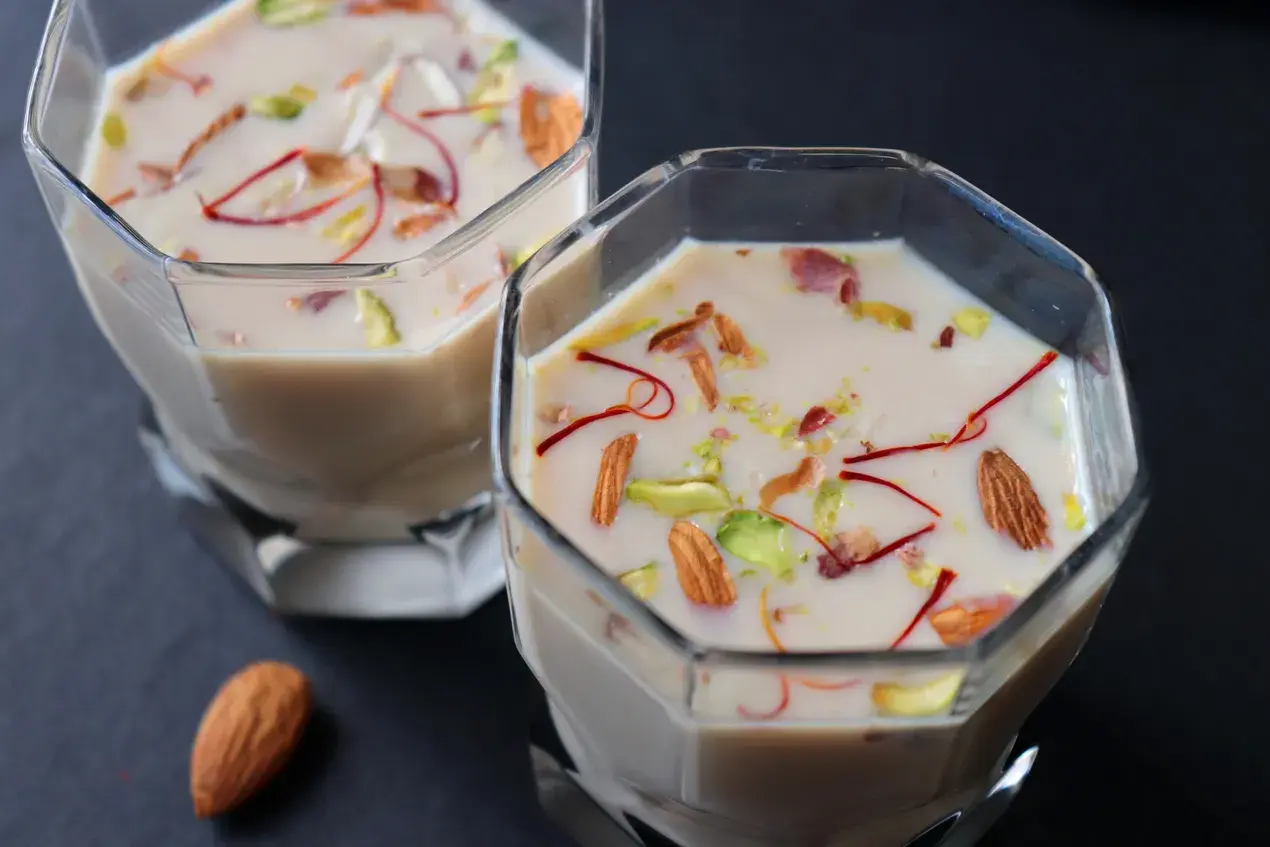
Ingredients (Serves 4-6):
- 1 cup thick cream (chilled)
- 1/2 cup full-fat milk
- 2 tablespoons thandai powder
- 2 tablespoons jaggery or honey
- 1.5 teaspoons gelatin
- 3 tablespoons warm water
- 1/4 teaspoon cardamom powder
- 2 tablespoons chopped almonds and pistachios
- Saffron strands for garnish
Method:
Step One: Bloom The Gelatin
Add gelatin to warm water and let it sit for 5 minutes without stirring. The gelatin will absorb water and become spongy. This is crucial. Don't skip this step. Blooming gelatin ensures it dissolves completely later.
Step Two: Infuse Thandai Into Milk
Heat milk slowly until small bubbles appear around the edges. Don't boil aggressively. Add thandai powder and jaggery or honey. Stir continuously for 2-3 minutes until both dissolve completely. The mixture should taste sweet and distinctly thandai-flavoured. Taste and adjust the sweetness as desired.
Step Three: Incorporate Gelatin
Add the bloomed gelatin to the warm milk mixture. Stir for 1-2 minutes until completely smooth. No lumps should remain. If lumps exist, you haven't stirred enough. This stage determines the final mousse's texture.
Step Four: Cool The Mixture
Let the thandai mixture cool completely to room temperature. This is critical. Adding gelatin to hot cream creates separation. Patience here prevents failure. Once cool, add cardamom powder and stir gently.
Step Five: Whip The Cream
Pour chilled cream into a clean, chilled bowl. Using an electric mixer or whisk, beat on medium speed for approximately 2-3 minutes until soft peaks form. When you lift the whisk, the cream should form peaks that gently fold back. Don't over-beat to stiff peaks. You want mousse-like texture, not butter.
Step Six: Fold Together
This is where French technique matters. Pour the cooled thandai mixture into the whipped cream. Using a silicone spatula, fold gently with a scooping motion, rotating the bowl slightly with each fold. Fold until completely combined. The goal is even colour without deflating the aeration. This typically takes 8-10 folds.
Step Seven: Set And Serve
Spoon mousse into serving cups or glasses. Refrigerate for 4-6 hours until set. The gelatin sets the mousse into a light, stable texture that holds shape without being dense. Garnish with chopped nuts and saffron strands just before serving.
Also Read: This Rajwadi Chai Will Never Make You Go Back To Regular Chai In Winter
Why This Fusion Works Brilliantly

Complementary Flavour Profiles:
Thandai's warm, spiced notes pair beautifully with mousse's neutral creaminess. The spices don't get lost. The cream doesn't dilute the flavour. Instead, they amplify each other. The saffron becomes more aromatic. The cardamom becomes more complex. The almonds become more pronounced.
Texture Contrast:
Dense, heavy thandai transformed into light, aerated mousse creates a dessert that feels indulgent without weighing down. You can eat more without feeling bloated. This is the entire genius of mousse. It delivers richness through technique, not through density.
Cultural Respect:
This fusion doesn't try to hide its Indian roots. It celebrates them. The thandai flavours remain paramount. The mousse technique simply presents them in a new form. This is genuine fusion, not appropriation. Both traditions receive respect and honour.
Storage And Make-Ahead Tips
Thandai mousse keeps for 24 hours refrigerated in covered containers. It doesn't freeze well due to gelatin's structure. However, you can prepare components separately: make thandai mixture and refrigerate for 2 days, whip cream and refrigerate for 8 hours, fold together just before serving.
This make-ahead capability makes mousse perfect for entertaining. You control the stress level by preparing pieces progressively. The final assembly takes merely 2 minutes.
Variations And Customisations
Make It Eggless And Vegetarian:
Replace gelatin with agar-agar (1 teaspoon) if vegan. Dissolve it differently than gelatin: heat with milk first, then cool before folding.
Add Depth:
Stir a teaspoon of rose water into the thandai mixture for additional floral notes. Add 2-3 crushed rose petals for texture.
Adjust Sweetness:
Use honey instead of jaggery for lighter sweetness. Use less sweetener if you prefer mousse on the subtle side. Remember that cream adds inherent sweetness.
Texture Variations:
For firmer mousse, increase gelatin to 2 teaspoons. For lighter mousse, reduce gelatin to 1 teaspoon. For no-set mousse that tastes like chilled whipped thandai, skip gelatin entirely.
Also Read: How To Achieve Your Weight Loss Goal In 2026? 7 Changes You Should Make To Your Diet
Thandai mousse represents something genuinely contemporary. It respects tradition whilst embracing innovation. It celebrates Indian ingredients through global techniques. It delivers an impressive presentation without complicated execution. Most importantly, it tastes genuinely delicious. The warmth of thandai spices combined with the lightness of mousse creates something that feels special, significant, and worth serving to people you care about. Making this dessert connects you to both Indian festive tradition and French culinary technique simultaneously. You're not choosing between cultures. You're learning from both. That's what genuine fusion food accomplishes.