
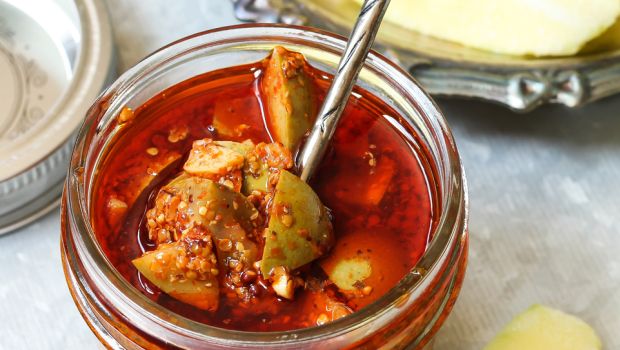


Let's clear something up immediately. That viral "Japanese cheesecake" flooding your Instagram feed: the one where you shove Biscoff cookies into Greek yoghurt and call it a day, is not Japanese cheesecake. It's not even cheesecake. It's yoghurt with cookies. A clever hack? Sure. Delicious? Apparently. But it has nothing to do with actual Japanese cheesecake. The real Japanese cheesecake is a baked marvel created in 1969 by chef Tomotaro Kuzuno after he tasted German käsekuchen in Berlin and became obsessed. It's a fluffy, jiggly, cloud-like cake that's technically neither fully Japanese nor fully cheesecake. It borrows German baking techniques, combines them with Japanese attention to texture inspired by Portuguese castella cake, and creates something entirely new. It wobbles like a soufflé, tastes lighter than New York cheesecake, and looks nothing like what you imagine when someone says "cheesecake." This is the original. The one that's been loved in Japan for over 50 years, before social media existed. Let's explore how this incredible dessert came to be, why it's so special, and how you can make it at home.
Also Recipe: No-Bake Oat Bars: A High-Protein Breakfast You Can Prep In Minutes
The Authentic Japanese Cheesecake Recipe
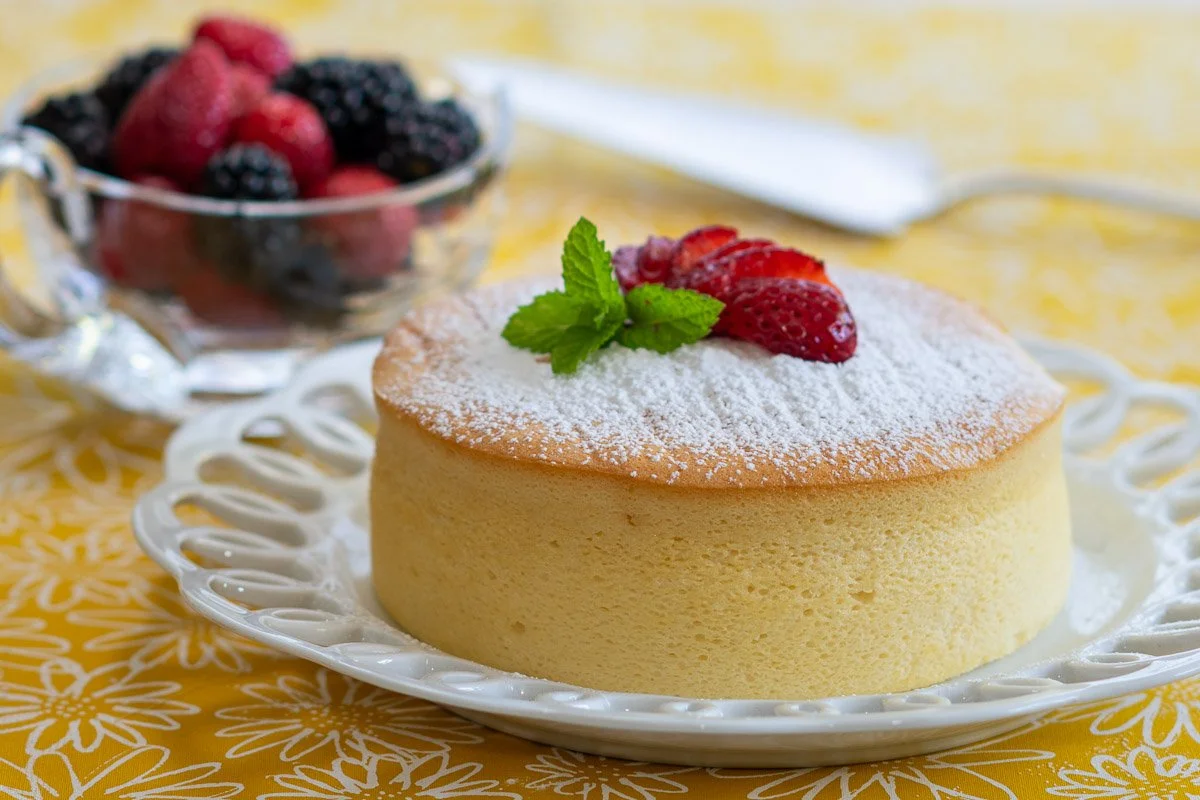
Makes: One 8-inch round cake (serves 8-10)
Difficulty: Intermediate (patience required, but doable)
Ingredients:
Cream Cheese Mixture:
- 250g cream cheese (at room temperature)
- 60g unsalted butter
- 120ml whole milk
- 6 egg yolks (at room temperature)
- 60g plain flour (maida)
- 20g cornflour
- ¼ teaspoon salt
- 1 tablespoon lemon juice
- 1 teaspoon vanilla extract
Meringue:
- 6 egg whites (at room temperature)
- 140g caster sugar (fine sugar)
- ¼ teaspoon cream of tartar (or lemon juice)
Equipment:
- 8-inch round cake tin (with removable bottom, ideally)
- Electric mixer or hand mixer
- Large roasting pan (for water bath)
- Parchment paper
- Aluminum foil
Method:

Step 1: Prepare the Tin
Line the bottom and sides of your 8-inch cake tin with parchment paper. Wrap the entire outside of the tin (bottom and sides) with two layers of aluminium foil. This prevents water from the bain-marie seeping in. Preheat oven to 160°C (320°F). Boil water for the water bath and keep it hot.
Step 2: Make the Cream Cheese Base
Combine cream cheese, butter, and milk in a heatproof bowl. Set over a pan of simmering water (double boiler) and stir until everything melts and becomes smooth. Remove from heat and let cool for 5 minutes.
Add egg yolks one at a time to the cream cheese mixture, whisking well after each addition. Sift in flour and cornflour. Add salt, lemon juice, and vanilla. Whisk until the batter is smooth with no lumps. The consistency should be like thick pancake batter.
Step 3: Make the Meringue (This is crucial!)
In a clean, dry bowl, beat egg whites on medium speed until foamy. Add cream of tartar. Continue beating while gradually adding sugar, one tablespoon at a time. Beat until stiff peaks form; when you lift the beaters, the meringue should stand up straight without drooping. This takes 5-7 minutes. The meringue is ready when it's glossy, and you can turn the bowl upside down without it falling out.
Step 4: Fold Meringue into Batter
This is the most important step. Take about one-third of the meringue and fold it gently into the cream cheese batter to lighten it. Use a spatula and fold in a sweeping motion from bottom to top, rotating the bowl. Don't stir or beat—you'll deflate the air bubbles.
Add the remaining meringue in two batches, folding gently each time. The final batter should be light, airy, and fluffy with no visible streaks of meringue. Some small lumps of meringue are okay—better to have a few lumps than to overmix and lose air.
Step 5: Bake in Water Bath
Pour the batter into your prepared tin. Tap the tin gently on the counter to release large air bubbles. Place the tin in a large roasting pan. Put the pan in the oven, then carefully pour hot water into the roasting pan until it comes halfway up the sides of the cake tin. This water bath ensures even, gentle baking.
Bake at 160°C for 25 minutes. Then reduce the temperature to 150°C (300°F) and bake for another 55-60 minutes. The top should be golden, and the cake should jiggle slightly when you shake the pan gently. If the top browns too quickly, cover loosely with foil.
Also Recipe: Watch: Japanese Ambassador Ono Keiichi Enjoys The "Best Pizza" In India "So Far"
Step 6: Cool Properly
Turn off the oven but leave the cake inside with the door slightly open for 15 minutes. This gradual cooling prevents the cake from collapsing dramatically. Then remove from the oven and take the tin out of the water bath. Let it cool to room temperature in the tin. The cake will deflate slightly—this is normal.
Once cool, refrigerate for at least 4 hours or overnight before unmoulding. The cake needs this time to set properly.
Step 7: Unmould and Serve
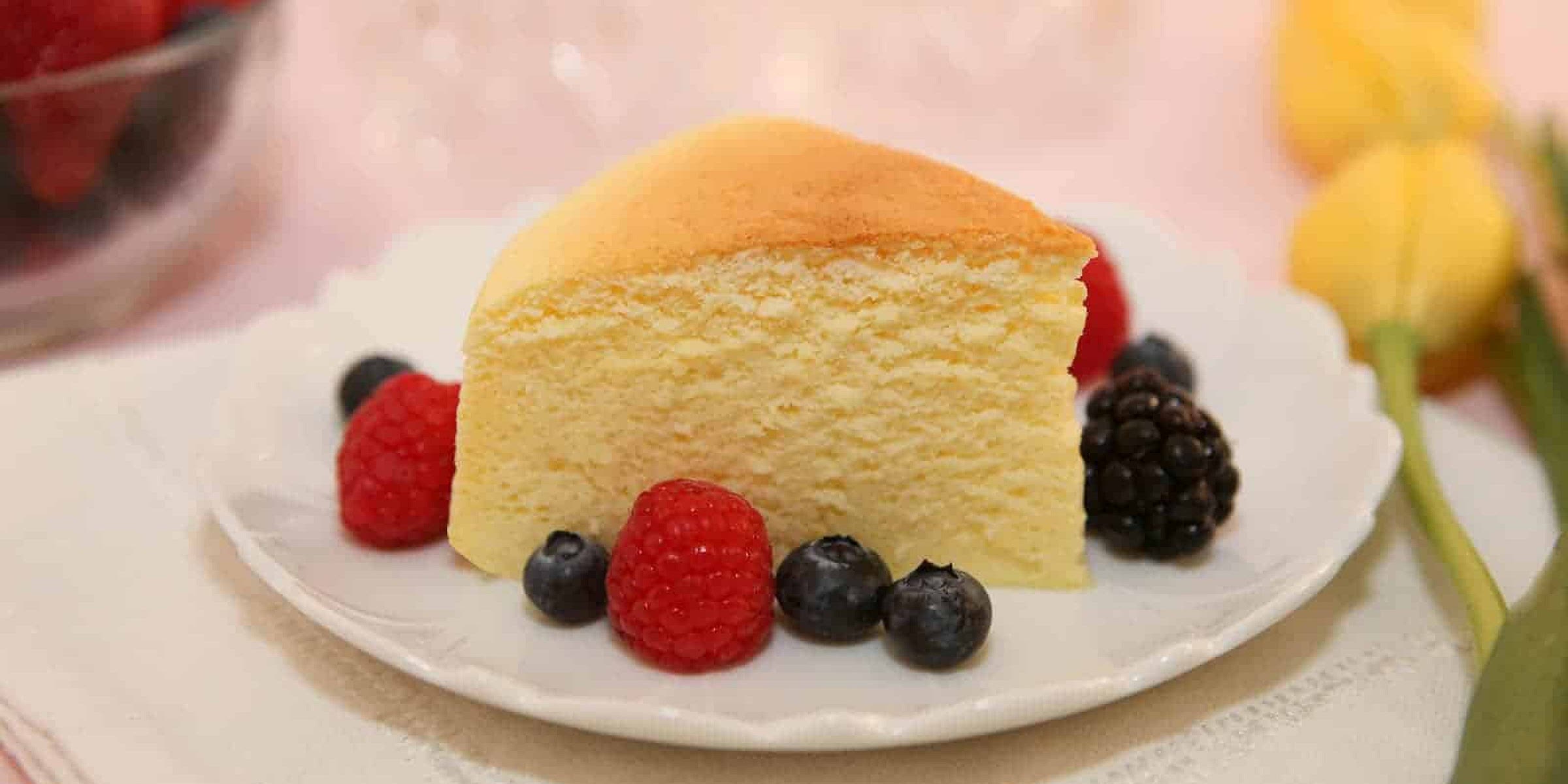
Run a thin knife around the edges. If your tin has a removable bottom, just push the base up. If not, carefully invert onto a plate, then flip onto a serving plate. The cake should be golden on top, pale and fluffy inside, and jiggle when you move the plate.
Dust with icing sugar before serving. Serve cold or at room temperature. It's best eaten within 2-3 days.
Why This Recipe Works
- The Water Bath: Baking in a bain-marie ensures even, gentle heat. Without it, the edges would overcook while the centre stays raw. The steam keeps the cake moist.
- Separate Egg Technique: Whipping egg whites separately creates millions of air bubbles. When folded gently, these bubbles remain trapped in the batter, creating that light, fluffy texture.
- Low Cream Cheese Ratio: Using less cream cheese than Western recipes keeps it light. Too much cream cheese makes it dense.
- Gentle Folding: Overmixing deflates the meringue. Fold gently, quickly, and accept a few lumps rather than overmix.
- Gradual Cooling: Rapid temperature changes cause dramatic collapse. Cooling gradually in the oven helps maintain structure.
Also Recipe: Why Coconut Deserves All The Spotlight It Got From Budget 2026
The Authentic Cheesecake
The authentic Japanese cheesecake is an engineering marvel. It's a study in texture, in incorporating air, in balancing flavours, in patience. It doesn't look like traditional cheesecake. It wobbles. It jiggles. It's pale and fluffy instead of golden and dense. But that's precisely what makes it special. When you cut a slice and watch it spring back slightly, when you take a bite, and it melts on your tongue without heaviness, when you taste the subtle cream cheese flavour balanced perfectly with sweetness, you understand why Japanese bakeries have been making this for over 50 years. So the next time you see someone claiming that yoghurt-and-cookies hack is "Japanese cheesecake," smile knowingly. You know better. The real Japanese cheesecake requires eggs, cream cheese, meringue, patience, and a water bath. It's neither Japanese nor fully cheesecake. It's something better: a beautiful hybrid that took the best of German, Portuguese, and Japanese baking to create something entirely its own.