


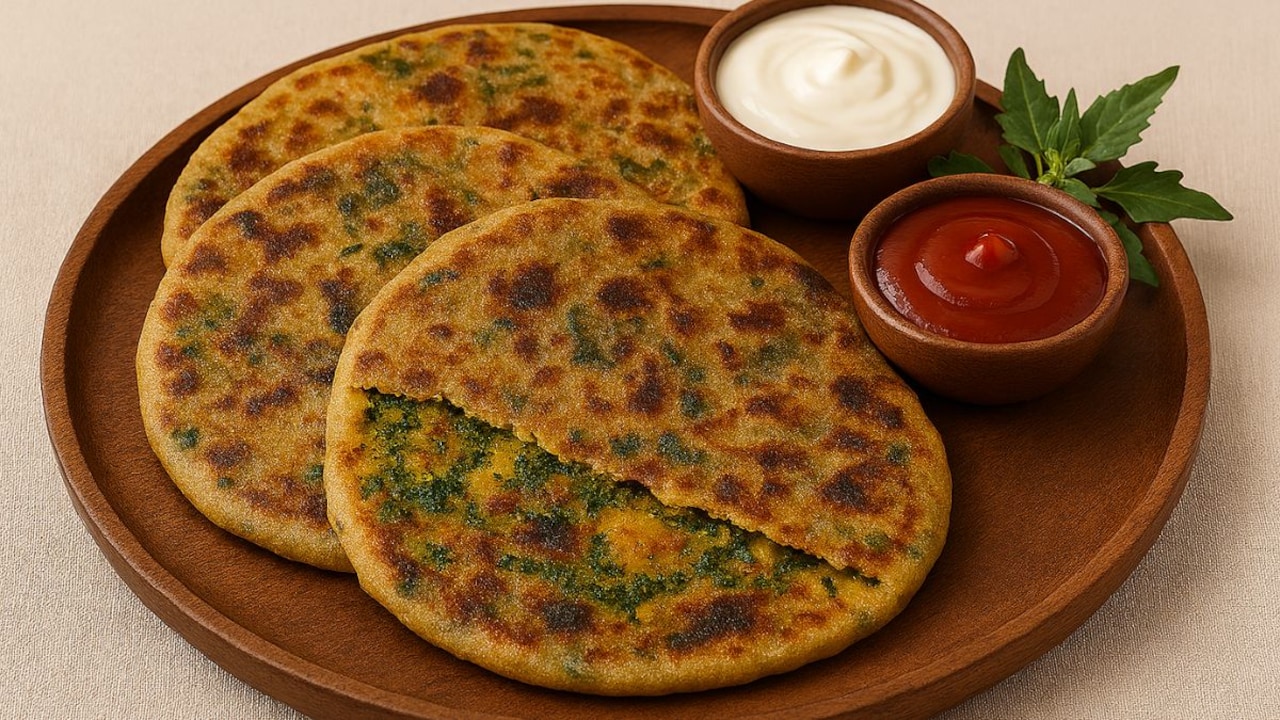
If you ask me, I can have an aloo paratha at any time of the day. Be it for a hearty breakfast, lunch or delightful dinner, a stuffed aloo paratha can instantly satisfy your carb cravings. But even though I love eating it so much, I don't always enjoy making it. It's not because of the filling, but the real challenge comes when I try to roll the stuffed dough. More often than not, the potato filling bursts out of the dough. And before you know it, there's a hole in the middle of the paratha. While some hacks proved useful, I actually found the most perfect way to make stuffed aloo parathas that don't break and stay intact.
Also Read: Ayurveda Expert Shares A 21-Day Plan For Naturally Glowing Skin, Recommends This Morning Drink
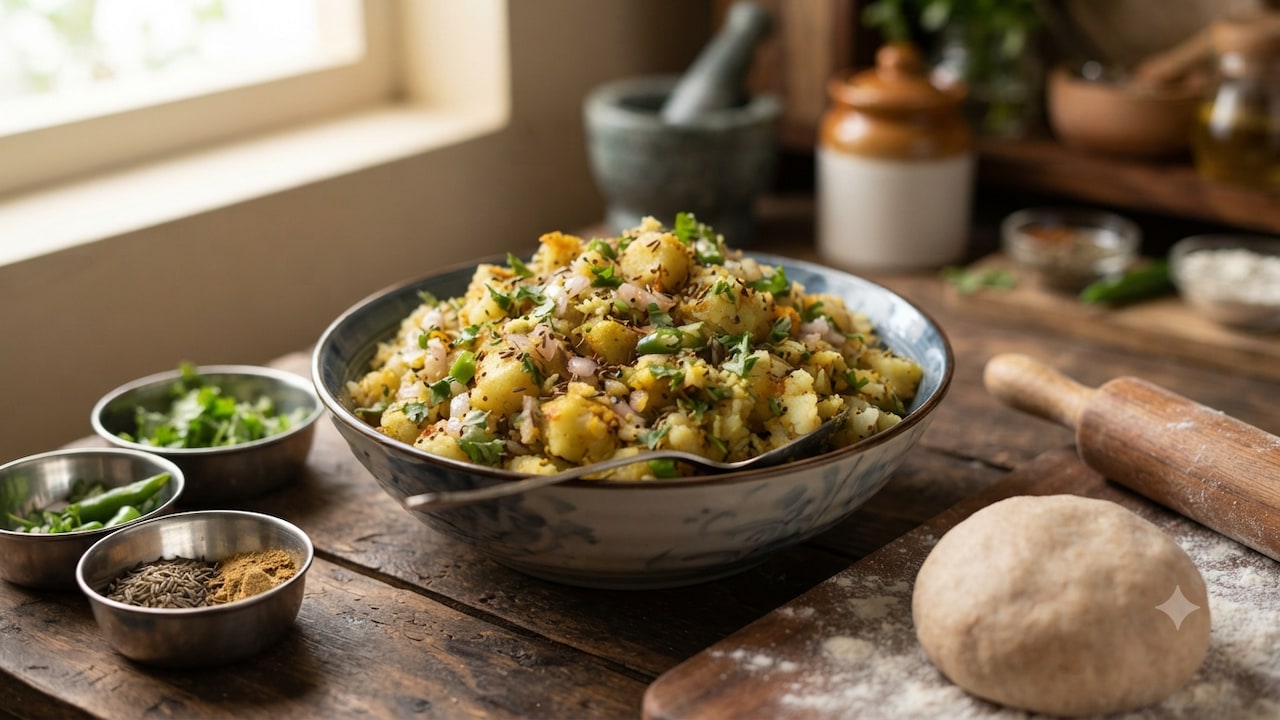
Method 1: Making Sure The Potatoes Are Completely Dry
I started with the filling itself. If the potato mixture is too wet, the dough has to work much harder to hold it together.
What I did
I boiled the potatoes, allowed them to cool completely and then grated them instead of mashing them. I also made sure there was no excess moisture in the filling before stuffing the dough.
What happened
The filling was much easier to handle. It stayed together instead of becoming a soft paste, and I could roll the paratha without immediately seeing potato coming through the surface.
Verdict
This made a noticeable difference. Dry, crumbly filling is much easier to roll than a wet one.
Also Read: The Simple Reason People Are Keeping Used Coffee Grounds In Their Refrigerators
Method 2: Using Less Filling
My next test was a little obvious. Maybe I was simply overstuffing the paratha.
What I did
Instead of trying to fill the dough generously, I used a smaller amount of potato filling and left enough dough around it to seal the edges properly.
What happened
The paratha was much easier to roll and I didn't have nearly as many filling explosions. But there was a catch. Once cooked, the paratha didn't have quite as much filling as I wanted.
Verdict
Very effective, but using too little filling defeats the point of making a stuffed paratha.
Method 3: Sealing The Dough Properly Before Rolling
For the third attempt, I focused on the way I sealed the filling.
What I did
I placed the filling in the centre of the rolled dough, brought the edges together over it and pinched them firmly to close. I then flattened the stuffed dough ball gently with my fingers before rolling it.
What happened
This worked better than simply pressing the edges together and immediately reaching for the rolling pin. Flattening it gently first helped spread the filling more evenly. I also rolled from the centre outwards instead of repeatedly pressing hard on one spot.
Verdict
A small change, but it made rolling much easier.
Method 4: Chilling The Filling Before Stuffing
For my final test, I changed the temperature of the filling.
What I did
I prepared the potato mixture and let it cool completely before using it. I also kept it in the refrigerator for a short while so it became firmer and easier to shape.
What happened
This was the easiest filling to work with. The mixture held its shape when I stuffed the dough, and there was less sticking and squeezing while rolling. The cold filling also gave me more time to roll the paratha without the stuffing becoming soft and difficult to handle.
Verdict
This was my favourite method, especially when I was making several parathas at once.
My Final Verdict
After trying all four methods, I realised that there isn't one magic trick that fixes a bursting aloo paratha. The biggest difference came from keeping the potato filling dry and letting it cool completely before stuffing.
I also found that the amount of filling matters. I didn't want to use so little that the paratha barely felt stuffed, but packing in too much filling only made rolling harder. Once the filling was dry and firm, I could use a generous amount without constantly worrying about it breaking through.
The other thing that helped was taking it slow while rolling. Instead of pressing down hard with the rolling pin, I gently flattened the stuffed dough first and then rolled it out from the centre.
So, if your aloo paratha keeps bursting, don't immediately blame your dough or reach for more dry flour. Start with the filling. Dry potatoes, a properly sealed dough ball and gentle rolling made the biggest difference for me.