





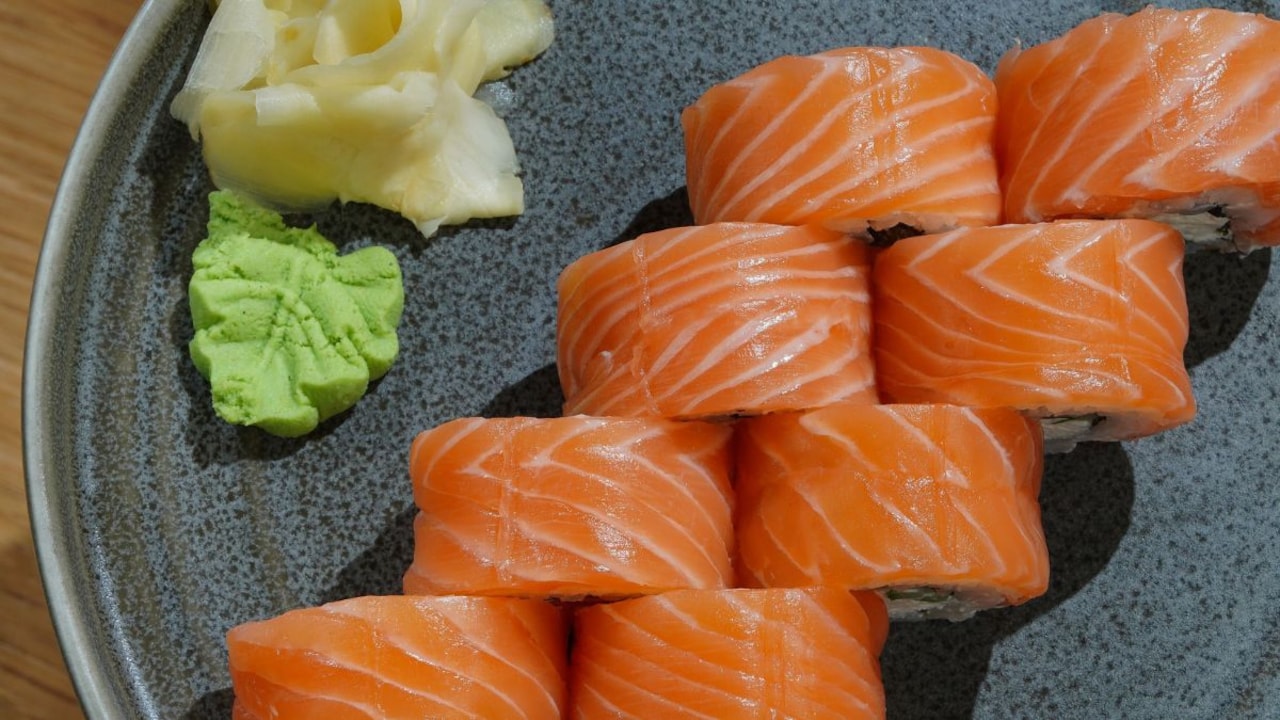
If you have ever eaten sushi, chances are you've seen that bright green paste sitting quietly beside the soy sauce. Some people love it. Some avoid it completely after one spicy bite that shot straight to their nose. But have you ever wondered why wasabi is served with sushi in the first place? Most people think it's only there to make sushi spicy. But the story behind wasabi is actually centuries old and surprisingly fascinating.
Long before refrigerators existed, this fiery green condiment played a major role in protecting people from food poisoning while also transforming the way sushi tasted. Today, wasabi is still considered an essential part of the sushi experience.
What Exactly Is Wasabi?
Wasabi is a plant native to Japan called Eutrema japonicum. It belongs to the same family as mustard and horseradish, which explains why all three have that sharp, nose-tingling heat. The plant naturally grows near cool mountain streams in Japan and needs extremely specific conditions to survive. That's one reason real wasabi is so rare and expensive.
The part people eat is usually the rhizome, which resembles a thick green stem. It is grated into a paste just before serving. One of the most interesting features of wasabi is that its heat is completely different from chilli heat. While chillies burn your tongue, wasabi attacks your nose. That strong sensation you feel when eating too much wasabi comes from natural compounds released when the plant is grated.
Why Is It Always Paired With Sushi?
Before modern refrigeration existed, storing raw fish safely was incredibly difficult. Sushi sellers in ancient Japan had to find ways to prevent fish from spoiling too quickly and reduce the risk of food poisoning. Japanese chefs discovered that freshly grated wasabi had natural antibacterial and antimicrobial properties. It could help fight harmful bacteria that might be present in raw fish.
Wasabi contains a natural chemical compound called allyl isothiocyanate. When the rhizome is grated, this compound gets released and creates that powerful spicy aroma. Over time, sushi chefs began placing small amounts of wasabi between the fish and rice. It helped improve safety while also adding flavour.
So originally, wasabi was added for protection. It was one of the earliest natural food safety tools used in Japanese cuisine.
Sushi Chefs Still Use Wasabi Carefully
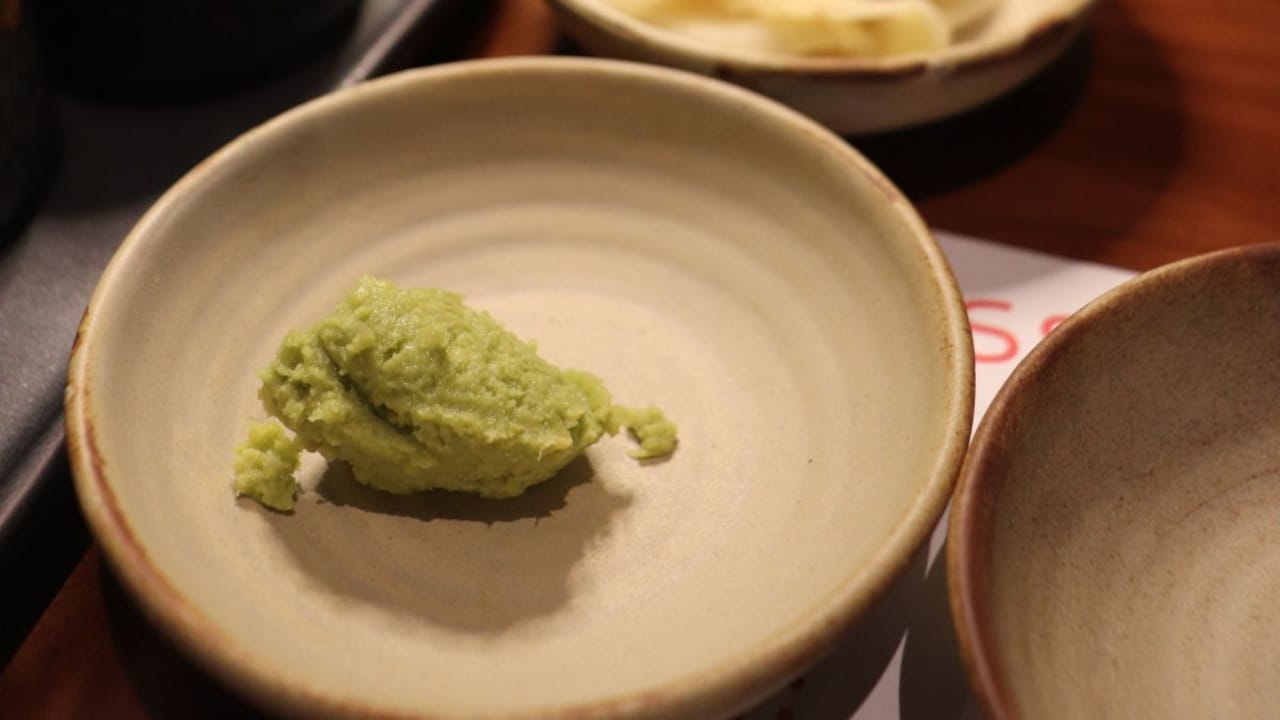
Photo: Pexels
Modern refrigeration has made raw fish much safer today, but wasabi never disappeared from sushi culture because it also made sushi taste even better. Wasabi cuts through the richness of fatty fish like salmon and tuna. It balances oily textures, reduces strong fishy smells, and makes flavours feel cleaner and fresher. It also refreshes your palate between bites. This is why professional sushi chefs treat wasabi very seriously. In high-end sushi restaurants, chefs often add the exact amount they believe works best for each type of fish.
Most Wasabi Around The World Isn't Actually Real
The "wasabi" served in many restaurants outside Japan is often not authentic at all. Real wasabi is difficult to grow, takes almost 2 to 3 years to mature, and requires very controlled conditions. Because it's so expensive, many restaurants use substitutes instead.
Most imitation wasabi is made from horseradish, mustard powder, green food colouring, and spinach powder. These ingredients create a flavour similar to wasabi because horseradish and mustard contain the same spicy compound that gives wasabi its kick.
But the taste is not identical. Real wasabi is smoother, fresher, slightly sweet, and much more delicate. Fake wasabi tends to taste sharper, harsher, and more aggressively spicy.