




India's snacking habits have always been emotional. A samosa with evening chai. Marie biscuits dipped till they collapse. A packet of chips opened without much thought. For years, snacking was driven by habit and convenience rather than intent. We ate what was familiar, affordable, and easy to grab. That relationship with snacks is slowly changing. Across Indian cities, there is a growing pause before reaching for something to eat between meals. People are reading ingredient lists. They are noticing how certain foods make them feel an hour later. Not in a dramatic detox-led way, but in a quiet, everyday manner.
Somewhere between post-pandemic health awareness, rising lifestyle issues, and climate conversations entering mainstream culture, Indian snacking is being gently rethought.
Also Read: How To Make Beetroot Pulao For A Quick And Healthy Winter Dinner
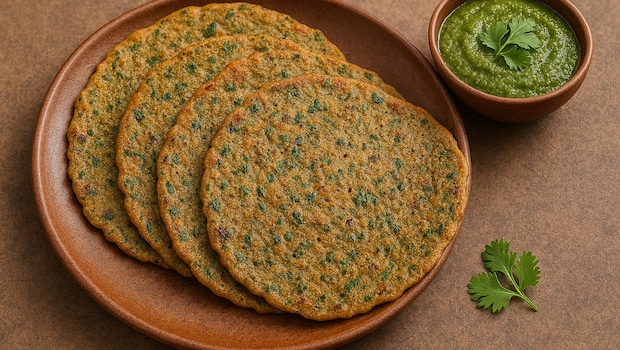
This is where millet cakes come in. Not as a flashy health trend, but as a practical response to how people want to eat now.
Millets Were Always Here. What Changed Is Our Context
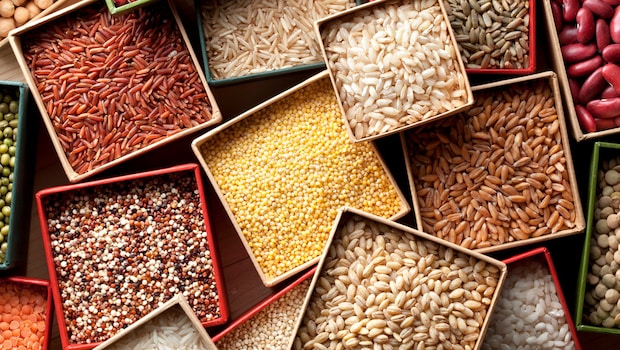
Photo Credit: iStock
Millets are not new to Indian kitchens. Bajra, jowar, ragi, foxtail, and little millet sustained households long before refined wheat and polished rice became default staples. What changed over time was aspiration. Refined grains came to symbolise progress and urban living, while millets were slowly pushed into the background.
Today, that narrative is shifting again.
Millet cakes, crackers, and baked snacks are not positioned as nostalgia foods. They are being shaped to fit modern routines. Easy to carry. Shelf-stable. Light but filling. Plant-based without being labelled as such. In many ways, they answer a gap created by modern eating patterns rather than trying to replace traditional snacks.
The Plant-Based Shift Is About Everyday Choices, Not Labels
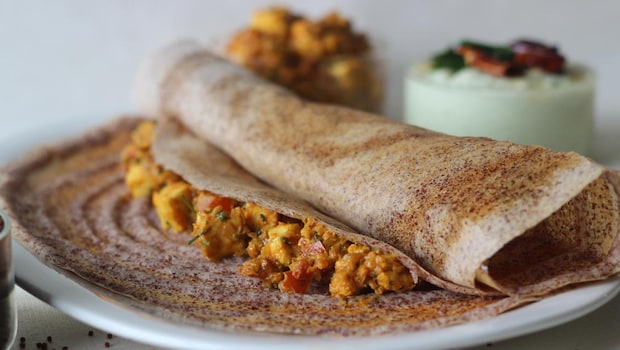
Photo Credit: iStock
India's plant-based movement is often mistaken for a vegan wave. In reality, it looks far more subtle. Fewer animal-heavy meals. More grains, legumes, and seeds. Less ultra-processed food, more ingredient transparency.
“Most consumers are not looking to give anything up completely,” says consultant nutritionist and public health expert Rupali Datta. “They are looking to add foods that feel lighter, more nourishing, and easier to digest on a daily basis. Millets fit naturally into that mindset.”
Millet cakes sit comfortably within this shift. They are naturally plant-based, require less water to grow than many conventional crops, and are deeply rooted in Indian food culture. For younger consumers, especially, choosing millets often feels less like adopting a trend and more like making a sensible correction.
From Niche Shelves To Everyday Snacking
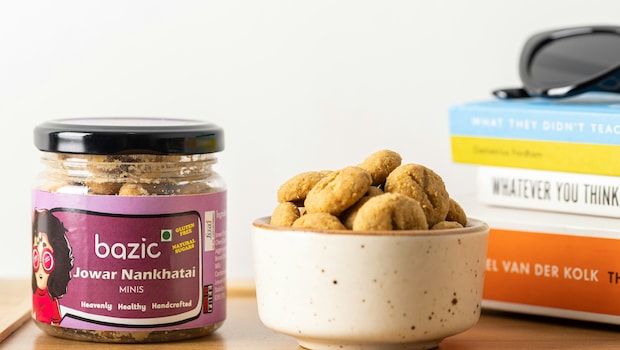
The change is already visible on shelves.
Brands like Slurrp Farm, Open Secret, Tata Soulfull, and The Whole Truth have introduced millet-based snack formats that look nothing like traditional health food. Clean packaging, short ingredient lists, and familiar formats have helped move millets out of the niche wellness aisle and into everyday shopping baskets.
Also Read: 5 Reasons To Add Besan To Your Chapati Atta During Winter
According to Ankur Bhasin, Senior Partner at an FMCG company, this shift has been brewing for a while. “What we are seeing is not a sudden millet boom but a steady normalisation. Consumers want snacks that feel lighter, but they do not want to compromise on taste or convenience. Millet-based products work when they behave like regular snacks, not health substitutes.”
Importantly, many of these brands are careful not to overplay health claims. Instead, they let familiarity and functionality do the work.
Why Millet Cakes Make Sense Right Now
Part of the appeal is practical. Millets are naturally high in fibre and slower to digest, which helps with satiety and energy levels. People notice fewer crashes and less mindless eating. But there is also an emotional layer to their return.
Eating millets today feels reassuring. There is comfort in choosing ingredients that feel known rather than engineered. In a food landscape crowded with protein bars, supplements, and functional snacks, millet cakes feel refreshingly uncomplicated.
Food consultant and journalist Smita Arora, who has long worked with millets and indigenous grains, believes this simplicity is key. “Millets work best when they are not overprocessed or oversold. Their strength lies in being adaptable and familiar. The moment they start behaving like ultra-processed foods, they lose that advantage.”
Will Millet Cakes Replace Traditional Snacks?

Unlikely. And that is not the point.
Millet cakes are not here to push samosas or bhujia off the table. They are becoming an additional option, one that fits certain moments better than others. Mid-morning hunger. Office snacking. Travel days. Light evenings.
This is not a loud food revolution. It is a slow recalibration of habits. One where people reach for something because it feels right, not because it promises transformation.
Also Read: Nimona Recipe: How To Make The Classic Winter Pea Stew At Home
India's plant-based food shift is unfolding quietly, guided by practicality rather than ideology. In that context, millet cakes are not a trend waiting to peak. They are simply settling back into everyday life, this time shaped by modern needs.
And when food changes happen this way, without fuss or force, they tend to last.