




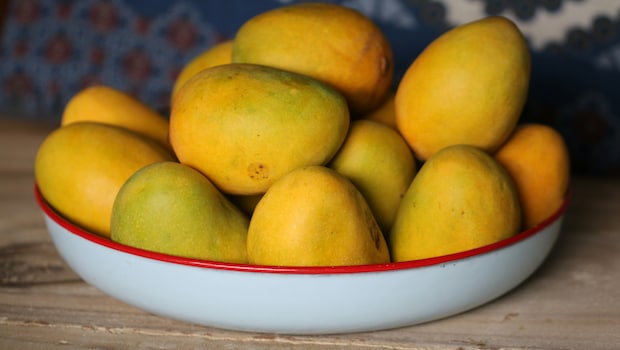
Mango season is here, and with it comes the annual tug-of-war between craving and caution. From chilled slices after lunch to indulgent aamras with puris, the king of fruits often finds itself at the centre of a familiar debate: is it too sugary, too indulgent, or simply too good to be guilt-free? Many people avoid mangoes altogether, assuming they lead to weight gain. But is that really true, or are we blaming the fruit for something else? Nutritionist Amita Gadre breaks it down and clears the confusion. If you love to eat mangoes, read on to know more.
Also Read: Love Pani Puri? Expert Breaks Down How To Eat It The Healthier Way
Do Mangoes Really Cause Weight Gain?

Photo: Unsplash
According to nutritionist Amita Gadre, mangoes on their own are not the problem. She explains that mango is a medium glycemic index fruit, with a GI ranging between 51 to 60. In terms of calories too, it is not as heavy as many assume.
- One mango has fewer calories than a vada pav, which typically ranges between 200 to 350 calories
- Mangoes are also rich in fibre, which supports satiety and digestion
This makes mango a versatile choice. “It can work well as a snack, a dessert, and even a pre-workout option,” she notes.
Why Mango Gets A Bad Reputation
So why does mango often get labelled as a weight-gain fruit? Gadre points out that the issue lies in how we consume it. “When we turn mango into aamras, juice, shakes, ice creams or desserts, that's where things change,” she explains.
- Processing breaks down fibre
- Sugar absorption becomes faster
- Extra ingredients add more calories
In these forms, it becomes easy to consume more than intended, leading to higher calorie intake without realising it.
Also Read: Feeling The Heat? These Everyday Foods May Help Manage Hot Flashes
The Healthiest Way To Eat Mango
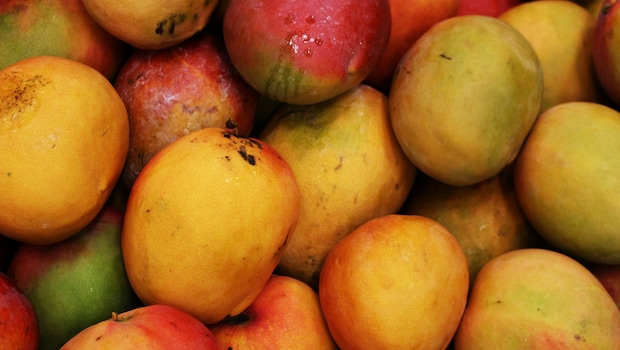
Photo: Unsplash
When it comes to consuming mangoes, Gadre suggests keeping it simple and in moderation. She points:
- Eat a mango on its own, instead of juicing it
- Pair it with a few nuts for better satiety
- You can have it with or after a meal
This way, you benefit from its natural fibre and avoid unnecessary sugar spikes.
Can Diabetics Eat Mango?
Mango is not completely off-limits, even for those managing blood sugar, but portion control is key. Gadre advises that diabetics can have a small mango, provided their sugar levels are stable. Pairing it with protein- or fibre-rich foods like nuts or makhana can also help balance the impact.
Mangoes don't inherently cause weight gain. The real concern is how they are consumed. Stick to whole fruit, watch your portions, and you can enjoy mango season without the guilt.