



Some food trends make a splash, while others become part of our routines before we even realise it. Protein has done exactly that. It's now added to smoothies, swapped in for meals, and built into diet plans and snacks in the hope of eating healthier. But as people increase their protein intake, many start feeling sluggish, constipated or generally uncomfortable. The quick assumption is that protein is to blame. According to nutritionist Leema Mahajan, the issue isn't the protein itself but how people go about increasing it. Here's why protein matters and what mistakes people make while consuming it.
Also Read: Australia Okays Purple Tomatoes For Sale. What Exactly Are They?
Why Protein Matters, And Why Problems Actually Start
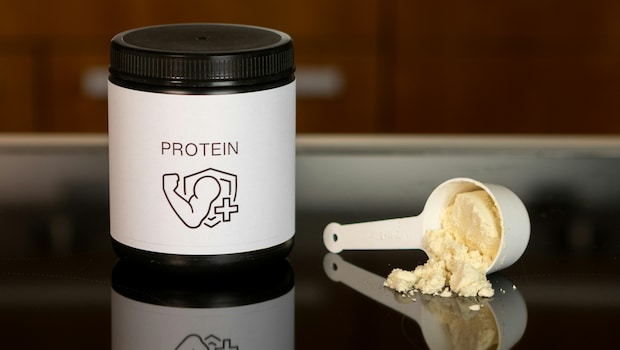
Photo: Unsplash
Protein supports several essential functions in the body - from repairing tissues to maintaining immunity and helping build muscle. It is something we genuinely need. But Mahajan says discomfort often begins when people increase their protein intake without making the right adjustments elsewhere.
More protein means the body needs more water, steady fibre intake, and enough potassium‑rich foods to keep digestion and overall balance on track. When these aren't included, the system feels the strain, and protein gets blamed for reactions that actually come from these gaps - not from the nutrient itself.
3 Mistakes To Avoid On A High‑Protein Diet
1. Not Drinking Enough Water

A higher protein intake leads to more urea - a waste product that the kidneys must flush out. When water intake doesn't increase alongside protein, the body finds it harder to clear this load.
This can show up as:
- headaches
- fatigue
- darker urine
- constipation
Mahajan emphasises that protein doesn't dehydrate you - insufficient hydration does. If your protein goes up, your water has to go up too.
2. Cutting Back On Fibre
Photo: Unsplash
Many people unknowingly push fibre off the plate the moment they increase protein. Since protein shakes and powders have little to no fibre, replacing full meals with them leaves the digestive system struggling.
Without enough fibre, and without enough water, digestion slows down - which is why constipation becomes common on high‑protein diets. Mahajan notes that the issue isn't the protein itself but the missing fruits, vegetables, whole grains and legumes that keep the gut moving.
3. Removing Fruits And Vegetables (Low Potassium)
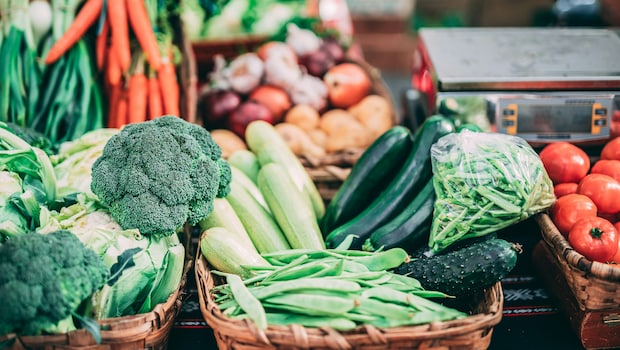
Photo: Unsplash
This is one of the most overlooked mistakes. Some animal‑based proteins increase the body's dietary acid load. Fruits and vegetables help counter this because they supply potassium - a mineral that neutralises acid and keeps the body's balance in check.
Low potassium can lead to:
- acidity or bloating
- muscle cramps
- blood pressure fluctuations
- added stress on the kidneys
Mahajan stresses that these issues appear when high protein meets low potassium, not because protein is harmful.
Also Read: Can You Eat Chiku Every Day If You Have Diabetes?
What To Do About It:
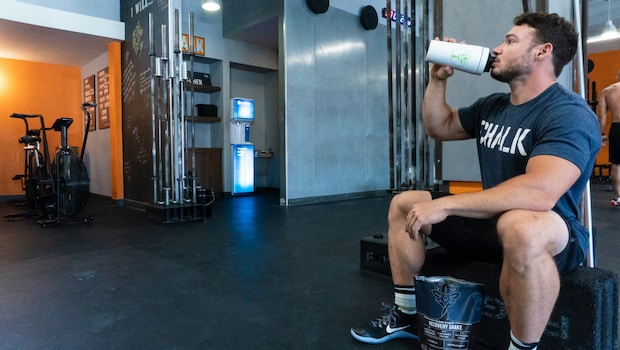
Photo: Unsplash
Protein itself isn't usually the problem - it's the imbalance that comes with how people increase it. Mahajan explains that a high‑protein diet works well when it's paired with enough water, fibre and potassium‑rich foods. When these basics are missing, the body reacts, and protein ends up getting blamed.
Before cutting back on protein shakes or everyday foods like eggs and dals, it helps to check whether these fundamentals are in place. A high‑protein diet should feel supportive, not tiring - and that happens only when it's part of a balanced meal pattern.
Disclaimer: This content including advice provides generic information only. It is in no way a substitute for qualified medical opinion. Always consult a specialist or your doctor for more information. NDTV does not claim responsibility for this information.