




Every year on March 24, World Tuberculosis Day reminds us that tuberculosis is still one of the world's most serious infectious diseases. Even though treatment has improved over the years, many people around the world continue to get sick, especially those living in poverty or without good access to healthcare. Experts now agree that recovering from tuberculosis takes more than just medicines. This year, World Tuberculosis Day highlights the importance of good nutrition in helping patients heal. With new guidance from the World Health Organization (WHO), food and proper nourishment are now seen as key parts of preventing, treating and controlling the spread of tuberculosis.
Why Diet Matters For Tuberculosis Patients
According to WHO's updated 2025 guidelines, undernutrition remains one of the biggest drivers of tuberculosis, weakening immunity and increasing disease severity, relapse and mortality. The organisation now recommends mandatory nutritional assessment, counselling and food support for all tuberculosis patients and their household contacts.
Medical studies reinforce this shift, showing that malnourished patients have slower recovery and poorer outcomes, while weight gain in the early months of treatment significantly lowers the risk of death. Here is an evidence-based guide to what a supportive diet for tuberculosis patients should include.
Also Read: Green Tea May Be Beneficial In Dealing With Tuberculosis (TB); Says Study
Diet Recommendations For Tuberculosis Patients
1. High-Calorie, High-Protein Foods
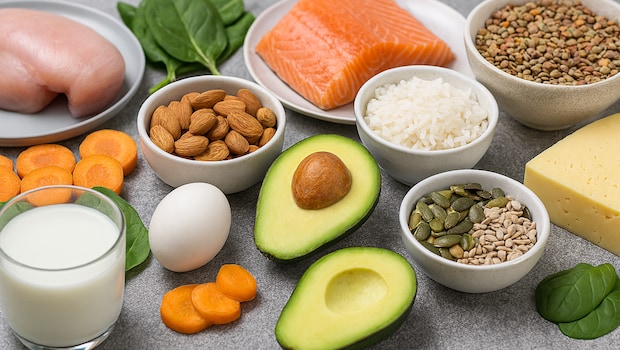
Tuberculosis places extra pressure on the body, increasing nutritional needs while often reducing appetite. This makes high-calorie and high-protein foods essential, as they help rebuild tissues, restore strength and boost immunity during treatment. Eating nutrient-dense meals also helps patients maintain healthy weight gain, which is linked to better recovery outcomes.
Recommended:
- Whole grains (millets, oats, brown rice)
- Pulses, lentils and beans
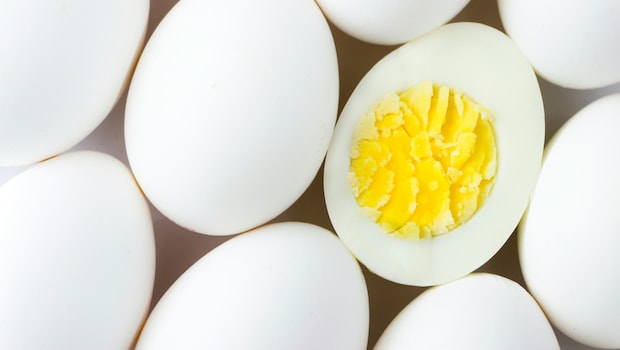
- Eggs, chicken, lean meat, fish
- Dairy - milk, yoghurt, cheese, paneer
WHO confirms that nutritional interventions rich in calories and protein improve clinical outcomes and aid recovery.
2. Micronutrient-Rich Foods
Vitamins and minerals may be needed only in small amounts, but they play a huge role in helping the body fight infections like tuberculosis. Adding a variety of colourful fruits, vegetables and nutrient-dense foods to daily meals can support faster healing and boost overall health.
Include:
- Green leafy vegetables
- Carrots, tomatoes, citrus fruits
- Nuts and seeds
- Fortified cereals
Medical research highlights that micronutrients are essential for immune cell function and disease resistance.
3. Healthy Fats For Recovery
Healthy fats play a powerful role in tuberculosis recovery by providing steady energy. Since many TB patients struggle with low appetite or unintentional weight loss, adding small amounts of good fats to meals can make a big difference. For a simple guide on adding good fats to your diet, you can check out this article on healthy fats.
Sources:
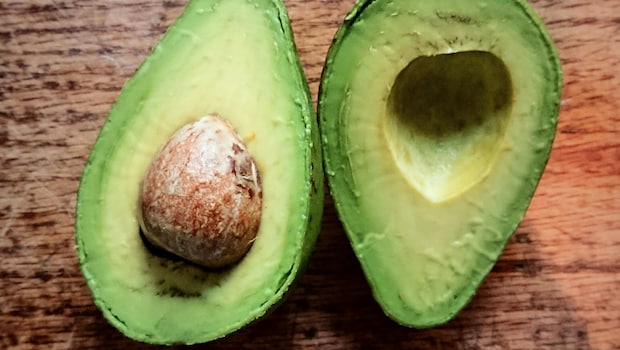
- Avocado
- Nuts and nut butters
- Olive, mustard or groundnut oil
Healthy fats are particularly helpful for patients with reduced appetite.
4. Hydration And Gut Health
Staying hydrated is one of the simplest yet most powerful ways to support recovery during tuberculosis treatment. Drinking enough fluids helps the body process medication better, supports metabolism and keeps the digestive system calm. For more on how much water your body actually needs in a day, click here.
Recommended:
- Water
- Coconut water
- Soups and broths
- Yoghurt or probiotic foods for gut comfort
5. Foods To Limit
While no food is completely off-limits, some choices can make recovery harder and may interfere with treatment. Reducing these items can help the body focus on healing and prevent unwanted side-effects. It's especially important for tuberculosis patients to avoid anything that strains digestion, weakens immunity or affects how medicines work.
Best minimised:
- Highly processed foods
- Excess caffeine
- Sugary snacks
- Alcohol (can worsen drug side-effects and harm the liver)
These restrictions support immunity and help the body cope with medication.
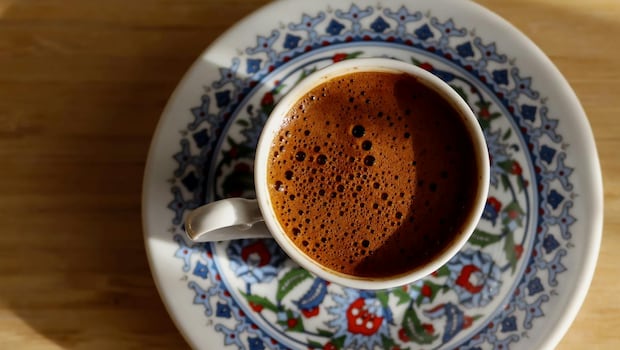
Photo Credit: Pexels
Why Nutrition Has Become Central To Tuberculosis Care
The WHO's recent policy shift reflects growing global evidence that nutritional support is essential for both treatment and prevention of tuberculosis. Studies like the RATIONS trial showed that providing food assistance to patients and their families significantly reduced new infections and improved survival. The new guidelines now treat nutrition not as optional, but as a core pillar of tuberculosis care, alongside medicine, diagnostics and public health systems.
Also Read: Can Vinegar Be Used To Treat Tuberculosis?
With sustained commitment, collaboration and awareness, the goal of a tuberculosis-free world becomes ever more achievable.