




January doesn't arrive quietly in most Indian households. It follows a month of weddings, office parties, holiday travel, late dinners, and long social evenings: many of them involving food, drinks, and indulgence. As routines resume and calendars reset, the focus naturally shifts from celebration to balance. This is where ideas like Dry January have begun to find relevance beyond their Western origins. For some, it's a conscious pause after weeks of excess; for others, it's simply a chance to observe how alcohol fits into everyday life. The concept reflects a growing interest in mindful choices about what we eat, what we drink, and how these habits affect sleep, energy, and overall well-being.
What Is Dry January?
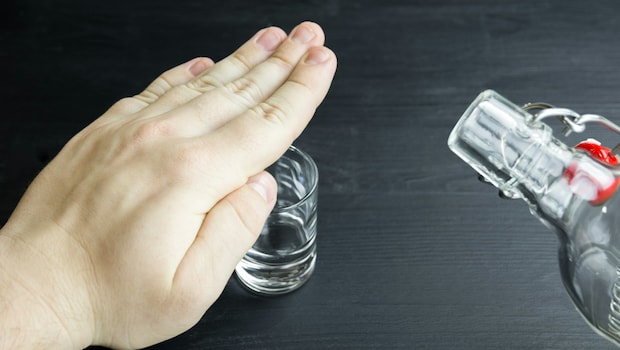
Dry January. Photo Credit: Unsplash
At its simplest, Dry January means abstaining from alcohol for the entire month of January. There are no strict rules beyond that. People participate in different ways: some cut out alcohol completely, others make exceptions for certain occasions, and some use the month to significantly reduce their intake rather than eliminate it altogether.
What sets Dry January apart from traditional "detox" narratives is its framing. The idea is not to punish the body for December excesses, but to create space for awareness. By removing alcohol for a short, defined period, people get a clearer sense of how drinking fits into their routines, meals, social life, and emotional habits.
For many first-timers, Dry January begins as an experiment. For others, it has become an annual ritual and a conscious pause before settling into the rhythms of the year ahead.
Also Read: Weight Loss Without Crash Diets: How To Eat Better In 2026
The Origins Of Dry January
Dry January began in the UK in the early 2010s, formally popularised by the charity Alcohol Change UK, which launched it as a public health campaign. The goal was not abstinence forever, but moderation and awareness. It encouraged people to reflect on their drinking habits after the festive season, when alcohol consumption typically peaks.
The timing was deliberate. January is often associated with fresh starts and resolutions, making it an ideal month for a behavioural reset. Over time, what started as a small awareness initiative turned into a global movement, adopted across countries and cultures.
Dry January's rise is closely tied to broader shifts in how people view health, food, and alcohol. Social media played a role, but so did changing attitudes toward productivity, mental health, and work-life balance. Conversations around "mindful drinking" and "sober curiosity" helped move the idea away from stigma and towards choice.
Potential Benefits Of Doing Dry January
While experiences vary, many participants report noticeable changes during the month.
1. Improved Sleep And Energy
Alcohol can disrupt sleep cycles, even if it initially makes falling asleep easier. Without it, many people experience deeper, more consistent sleep and better energy levels during the day.
2. Better Digestion And Hydration
Alcohol can irritate the gut and contribute to dehydration. A break often results in improved digestion, reduced bloating, and better hydration, especially when alcoholic drinks are replaced with natural beverages.
3. Greater Mental Clarity
People frequently report improved focus, mood stability, and reduced anxiety. Even small changes in drinking habits can influence how the nervous system responds to daily stress.
4. Dietary Awareness
Alcohol adds "invisible calories" and often triggers late-night snacking. Dry January can naturally lead to more mindful eating patterns without deliberate restriction.
5. Financial Relief
January is already a budget-conscious month after holiday spending. Cutting back on alcohol can noticeably reduce dining-out and other bills.
It's important to note that these are common observations, not guaranteed outcomes. The value of Dry January lies in personal insight rather than promised transformation.
Also Read: Want A Healthy Start To 2026? Here's An Easy High-Protein Meal Plan For Daily Diet
What Dry January Means For Foodies
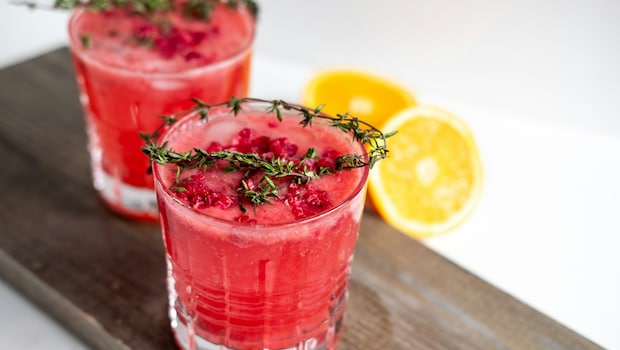
Photo Credit: Unsplash
For a food-centric audience, Dry January is less about what you don't drink and more about what replaces it. Alcohol is deeply tied to eating habits in terms of weekend dinners, celebrations, casual evenings out, etc. Removing it naturally leads to rethinking food and beverage pairings.
- Many people discover new rituals during Dry January:
- Swapping pre-dinner drinks for infused waters or kombucha.
- Exploring mocktails that feel celebratory rather than compensatory.
- Paying more attention to flavours, textures, and portion sizes at meals.
- Enjoying earlier dinners and lighter evening routines.
For Indian households, this often means relishing traditional non-alcoholic drinks like chaas, kanji, coconut water, herbal teas, etc., or experimenting with modern alcohol-free cocktails using familiar ingredients like citrus, ginger, mint, spices, and seasonal fruits.
The Challenges People Commonly Face

Photo Credit: Unsplash
Dry January isn't without its hurdles. Social situations are often the biggest challenge, especially in cultures where hospitality and celebration revolve around shared food and drinks. Dining out, weddings, birthdays, or work events can make abstaining feel awkward.
Habit-based drinking also plays a role. For many people, the evening drink is less about alcohol itself and more about signalling the end of the day. Removing it can feel unsettling at first. Acknowledging these challenges is essential. Dry January works best when approached without perfectionism or guilt, allowing flexibility and self-awareness to guide choices.
Practical Tips To Get Through Dry January
- Plan enjoyable alternatives rather than relying on willpower alone.
- Stock your fridge with interesting non-alcoholic options you actually look forward to.
- Pair food thoughtfully with drinks that complement flavours, not just replace alcohol.
- Communicate clearly in social settings so people can respect honest boundaries.
- Create new evening rituals, such as herbal teas, reading, or light movement.
What Happens After January?
For many participants, the biggest takeaway is awareness. Some return to drinking with clearer boundaries, others continue reducing intake, and a few choose to remain alcohol-free longer. The month often changes how people drink, even if it doesn't eliminate alcohol altogether.
Dry January, in that sense, acts less as a challenge and more as a mirror, reflecting habits that often go unnoticed.
A Reset, Not A Restriction
As the new year unfolds, Dry January offers a gentle reminder that wellness doesn't always require dramatic overhauls. Sometimes, a single pause is enough to shift perspective. Whether you complete the month, adapt it, or simply take inspiration from it, the idea remains the same: eating and drinking with awareness, curiosity, and balance.