





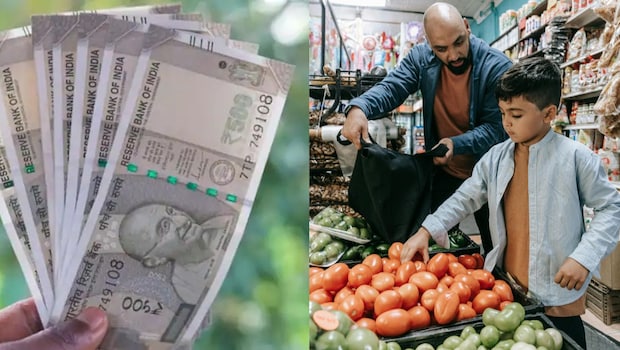
India's retail inflation saw an uptick in April 2026, with food prices playing a key role in driving the increase. While some staple vegetables such as potatoes and onions recorded a decline in prices, other essential items - including tomatoes and coconut-based products - pushed food inflation higher. The ripple effect is already being felt across kitchens and markets, with early signs suggesting that everyday items, from home-cooked meals to packaged foods, could become more expensive in the coming months, according to official data and industry reports.
A Look At Consumer Price Index (CPI) Data
According to provisional Consumer Price Index (CPI) data released by the Ministry of Statistics and Programme Implementation, retail inflation rose to 3.48 per cent in April 2026, up from 3.40 per cent in March.
Food inflation, measured by the Consumer Food Price Index (CFPI), increased to 4.20 per cent year-on-year in April, compared to 3.87 per cent in March. The rise was slightly sharper in rural areas at 4.26 per cent, compared to 4.10 per cent in urban centres. The CFPI index stood at 104.39 in April, up from 104.14 the previous month, according to ANI.
This increase was mainly driven by rising prices of tomatoes, coconut copra, and cauliflower. Tomato inflation remained particularly high at 35.28 per cent, while coconut copra saw a steep rise of 44.55 per cent. Cauliflower prices also climbed by 25.58 per cent during the period.
Decline In Some Vegetable Prices Offers Partial Relief
Despite the broader rise, some commonly used vegetables saw a decline, helping to offset overall food inflation.
Potato prices recorded a sharp drop, with inflation falling to -23.69 per cent in April from -19.03 per cent in March. Onion inflation also eased to -17.67 per cent, followed by peas and chickpeas at -6.75 per cent.
However, this relief may be temporary, with industry experts warning of potential price pressures in the months ahead.
Cost Of Thali Rises, More Increases Expected
The cost of both vegetarian and non-vegetarian thalis rose by 2 per cent year-on-year in April, driven by higher prices of tomatoes, vegetable oil and LPG cylinders, according to the Roti Rice Rate (RRR) Report by Crisil Intelligence.
Pushan Sharma, Director at Crisil Intelligence, noted that tomato prices may rise further during July-August due to lower summer sowing and heatwave concerns in key growing regions. Onion prices are also expected to remain high as rabi production is estimated to be 4-6 per cent lower this year.
Potatoes, too, may become costlier as fresh harvests end and cold storage stocks begin to enter the market, typically pushing prices upward. Meanwhile, vegetable oil prices are likely to remain elevated amid uncertainty in West Asia.
On the other hand, pulses may continue to see subdued pricing due to improved supply conditions and steady demand. Government buffer stock releases are also expected to keep markets well supplied in the near term.
Packaged Foods, Biscuits May Get Costlier
Beyond fresh produce, consumers may soon see price increases across everyday packaged goods.
According to PTI, FMCG companies are preparing calibrated price hikes due to rising input costs, including crude-linked inflation, higher packaging expenses and fuel costs linked to geopolitical disruptions.
To manage margins while maintaining demand, companies are adopting a mix of price increases and grammage reduction, particularly for larger packs. Smaller, popular price points - such as Rs 5, Rs 10 and Rs 15 packs - are likely to be retained.
Dabur India Global CEO Mohit Malhotra said the company is already facing around 10 per cent inflation this fiscal and has implemented a 4 per cent price increase across parts of its business to offset costs.
Also Read: PM Modi Urges Indians To Consume Less Oil, 6 Low-Oil Dishes You Can Cook Instead
Britannia, known for brands such as Good Day and Marie Gold, has also signalled price hikes in response to a nearly 20 per cent rise in fuel and packaging costs. Its Managing Director and CEO, Rakshit Hargave, said the company may implement both direct price increases and adjustments in pack sizes, reported PTI.
In the beverages segment, Varun Beverages has already begun reducing discounts, with further measures possible if fuel prices rise.
Nestle India, meanwhile, has flagged continued uncertainty, with its management describing the current environment as volatile and difficult to predict.
What It Means For Consumers
With both fresh food items and packaged goods facing upward price pressure, consumers are likely to feel the impact across everyday purchases in the coming months. While some categories may offer temporary relief, the broader trend suggests a gradual increase in food-related expenses, driven by both supply-side challenges and global cost pressures.