Fermented Rice
 Why Fermented Rice Is the Best Thing You Can Eat This Summer
Fermented rice, a traditional Indian summer food, is rich in probiotics and essential minerals that boost digestion and immunity.
- How Starting Your Day With Fermented Rice Water (A Traditional Probiotic) Keeps Gut Healthy
Fermented rice water is the water left behind after soaking cooked or raw rice for hours, preferably overnight.
- How To Make Tonka Torani: Odisha's Zero-Waste Summer Drink For Digestion
In Odia, 'Tonka' means tadka, and 'Torani' means the leftover water from boiled rice. This rice water is mixed with lemon, fresh leaves, and a few everyday ingredients.
- Panta Bhat Recipe: History, Myths And What To Pair With This Fermented Rice Dish
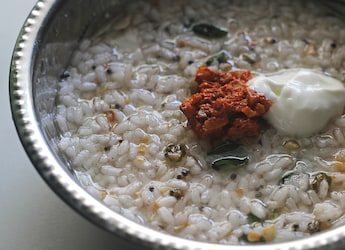
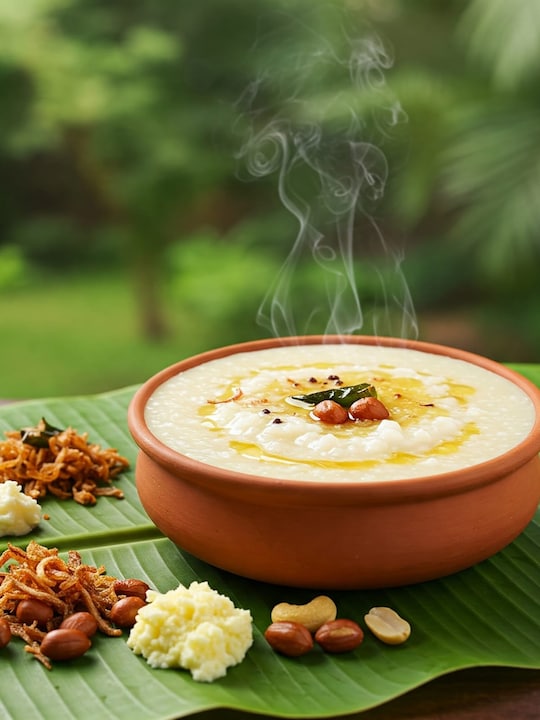
To make panta bhat, the first step is fermentation. The quality of the rice is important, and panta shouldn't ideally be made with rice that's too fine or aromatic (like long-grain Basmati).
- Pakhala Bhata - A Simple Rice And Curd Recipe From Odisha Will Keep You Fresh In Summer
Pakhala Bhata recipe is quite simple but requires fermentation. It is due to this step that pakhala bhata is considered great for digestive system.
- Why This Fermented Gujarati Cake Is One Of India's Best Breakfasts
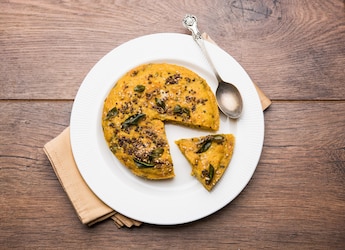
Handvo rewards patience. The soaking, the fermentation, the slow flame, none of it is difficult, but all of it takes time.
- Superfood Alert: Koji, the Edible Fungus and its Fermented Foods
Koji is a naturally occurring culture used most extensively in Japan to ferment rice and soya and make popular foods like soy sauce, miso, sake, mirin, rice vinegar and vegetable pickles.
- Why Are Red Chillies Left On Snow In Japan? The Answer Takes 3 Years
In one snowy corner of Japan, bright red chillies are spread out over the snow in winter. It is the first step in making a fermented seasoning that takes years to finish.
- 5 Traditional Assamese Recipes That Keep The Heat Away
Assamese summer cuisine uses seasonal produce, souring agents, and minimal spices to create light, cooling dishes ideal for hot weather.
- Chhattisgarh CM Appeals All To Eat Bore Baasi - How To Make This Classic Dish From Chhattisgarh
Bore baasi is prepared using the extra rice left from the last meal. It is also called panta bhat in Bengal, pakhala in Odisha and poita bhat in Assam.