





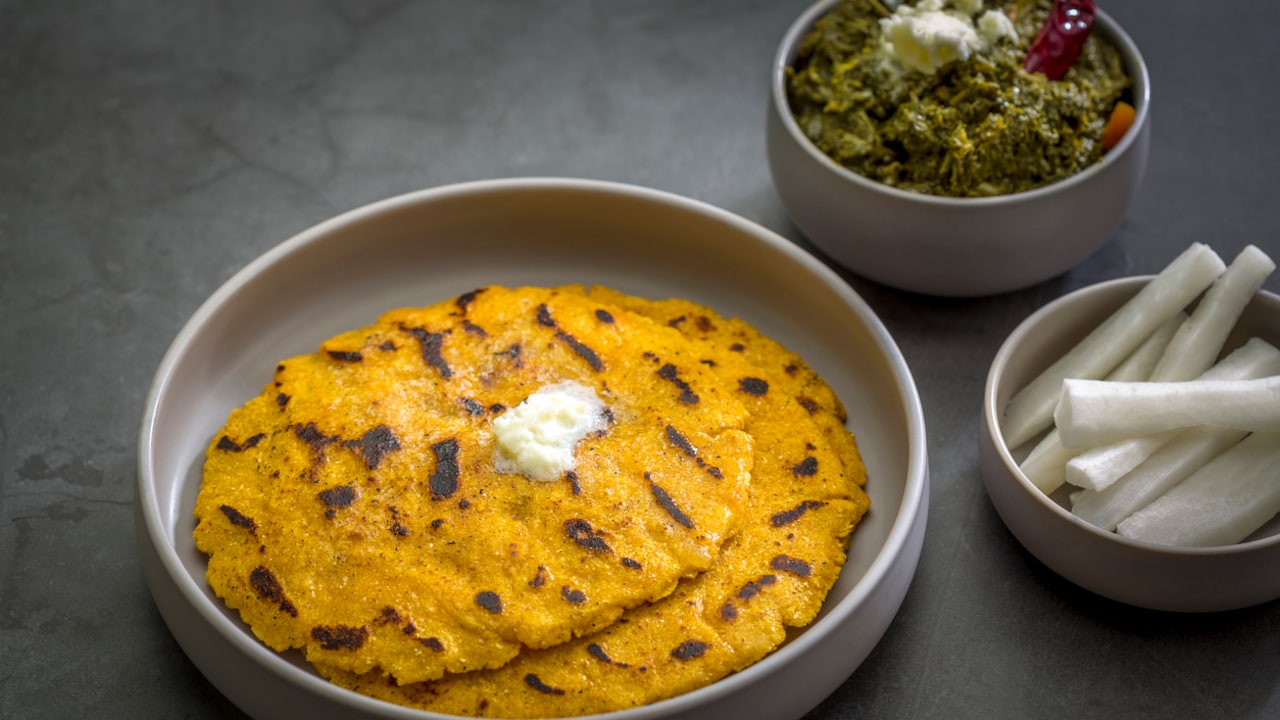
Roti is an essential part of an Indian meal. For many people, a meal feels incomplete without it. While wheat rotis have been a staple for centuries, changing food habits have introduced several nutritious alternatives. Did you know that your kitchen may already have grains that offer more health benefits than wheat? Some of these flours may support weight management, aid digestion and help strengthen bones. Here are five healthy and delicious alternatives to traditional wheat roti.











ALSO READ | Struggling To Make Kuttu Rotis? Try This Easy Trick For Soft, Puffed-Up Results
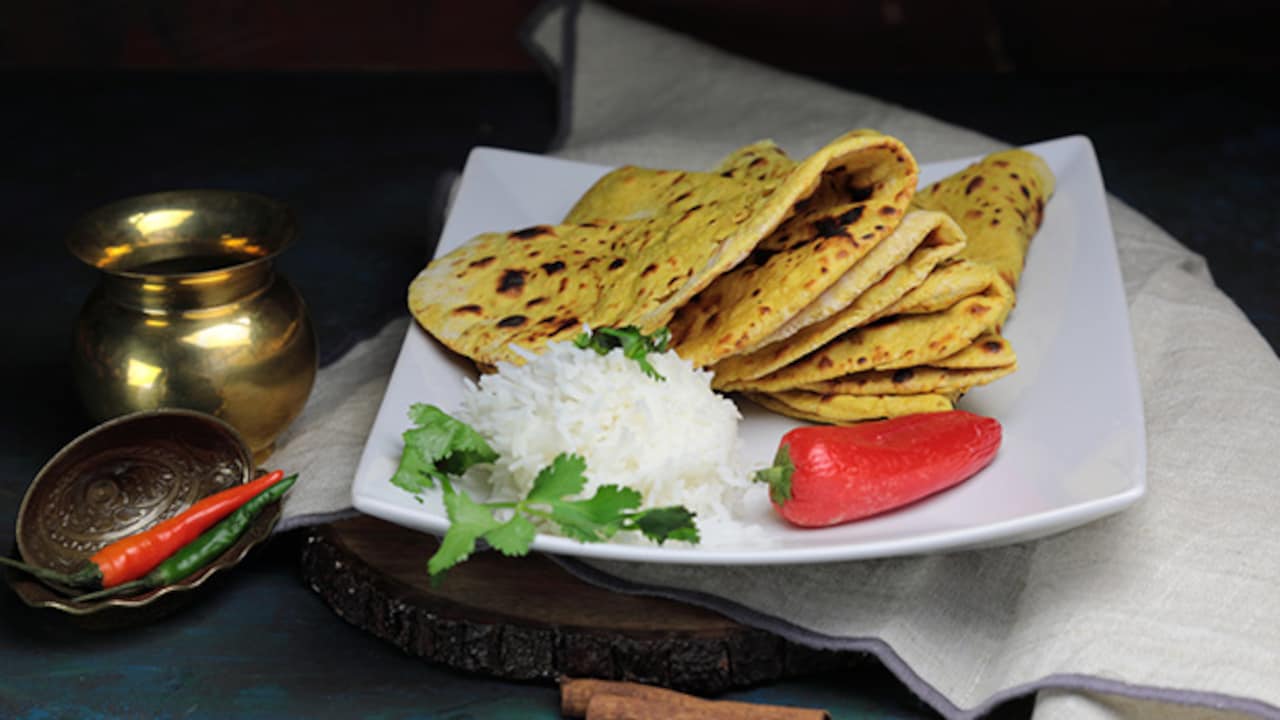
5 Types Of Rotis That Are Good For Your Health
1. Besan (Gram Flour) Roti
Besan roti is a great option for those looking to manage their weight. Gram flour is rich in protein, which helps build and repair muscles. Adding besan roti to your diet can be a healthy and filling choice.
2. RagicRoti
Ragi roti has become increasingly popular due to its impressive nutritional value. It is rich in calcium and iron, which help support bone health and maintain healthy haemoglobin levels. Ragi also has a low glycaemic index, making it a suitable option for people with diabetes.
3. Bajra Roti
Bajra roti is especially popular during winter. It is traditionally considered a warming grain that may help keep the body warm in colder months. Bajra is digested slowly, which helps provide sustained energy and keeps you feeling full for longer.
4. Barley Roti
Barley roti offers several health benefits. Barley is low in calories and high in fibre, making it beneficial for digestive health. Its fibre content may help support digestion and provide relief from common issues such as constipation, bloating and indigestion.
5. Makki Ki Roti
Makki ki roti is widely enjoyed during the winter season. It contains iron and other essential nutrients that help support overall health and may help prevent iron deficiency. As it is naturally gluten-free, it is a suitable option for people with gluten intolerance or sensitivity.