

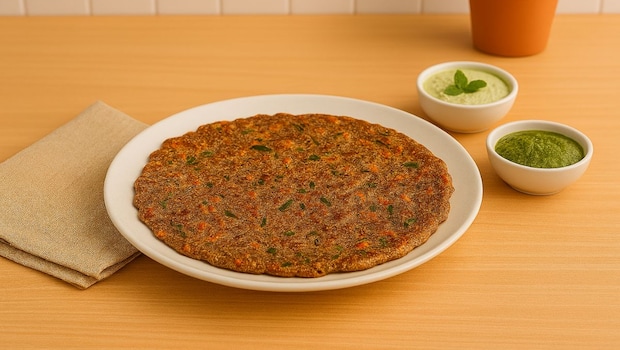
Ragi cheela often shows up on our plates with the best intentions. It is wholesome, filling and made with an ingredient that Indian kitchens have trusted for generations. Yet, despite ticking all the right boxes, ragi cheela does not always turn out the way we expect. Sometimes it sticks to the pan, sometimes it tastes raw, and other times it ends up dry and crumbly. That is usually when people quietly give up on it. The truth is, ragi flour behaves very differently from wheat or besan, and treating it the same way can ruin the texture. With a few simple adjustments and better understanding, ragi cheela can turn soft, flavourful and genuinely enjoyable. These tips will help you get it right every single time.











Also Read: 5 Simple Steps To Clean Cabbage Properly Every Time
How To Make Ragi Cheela At Home | Ragi Cheela Recipe

Ingredients:
- 1 cup ragi flour (finger millet flour)
- ¼ cup wheat flour or besan (optional, for better binding)
- 1 small onion, finely chopped
- 1 small carrot, grated
- 1 green chilli, finely chopped (optional)
- 2 tbsp coriander leaves, chopped
- ½ cup curd (optional, makes cheela softer)
- Salt to taste
- ½ tsp cumin seeds
- Water as needed
- Oil or ghee for cooking
Steps To Make Ragi Cheela
1. Make the batter: Mix ragi flour, veggies, spices, curd and water into a smooth, slightly thick batter and rest it for 10–15 minutes.
2. Prepare the pan: Heat a non‑stick or seasoned cast‑iron tawa and lightly grease it with oil or ghee.
3. Pour and spread: Add a ladle of batter to the pan and gently spread it into a medium‑thick cheela.
4. Cook gently: Cook on low–medium heat, flip once the edges dry, and let it turn golden on both sides.
5. Serve hot: Enjoy immediately with chutney, curd or pickle for the best flavour and texture.
Here Are 5 Tips To Make The Perfect Ragi Cheela At Home
1. Always Use Fresh Ragi Flour
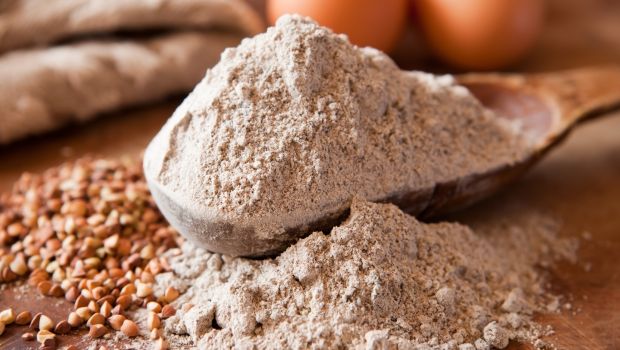
Ragi flour has a much shorter shelf life than most other flours, which is why using it fresh is essential. Older flour often develops a musty smell and a slightly bitter taste, whereas fresh ragi has a mild, nutty flavour that makes a noticeable difference to the final dish. If possible, store ragi flour in the refrigerator to slow spoilage, and avoid using any batch that has been open for months, as its quality deteriorates quickly.
2. Get The Batter Consistency Right
The batter for ragi cheela needs to be slightly thick yet pourable to achieve the right texture. A batter that is too thick will make the cheela dry and heavy, while one that is too runny tends to stick to the pan and cook unevenly. Allowing the batter to rest for 10–15 minutes before cooking helps the flour hydrate properly, resulting in a smoother, easier-to-spread mixture.
3. Use A Well‑Seasoned Pan

Because ragi batter is more prone to sticking than wheat-based batters, it is important to use a non-stick or well-seasoned cast-iron tawa. Heating the pan thoroughly before pouring the batter, and lightly greasing it before each cheela, prevents sticking and ensures a clean release. Avoid spreading the batter too thin, as this increases the chances of tearing. A good-quality, well-prepared pan truly makes all the difference when working with ragi.
4. Cook On Medium To Low Heat Only
High heat is one of the most common mistakes when making ragi cheela, as the batter needs time to cook through gently. Cooking on a high flame can cause the outside to burn while the inside remains undercooked. Medium to low heat ensures even cooking, and briefly covering the cheela helps it cook through without drying out. Slow, steady cooking enhances both texture and flavour.
5. Add Moisture‑Rich Ingredients For Softness
Ragi has a naturally dry texture, so adding moisture-rich ingredients keeps the cheela soft and pleasant. Grated vegetables like carrot or bottle gourd, finely chopped onions, curd or even a handful of soaked poha can improve softness and structure. Just be sure not to overload the batter with too many dry ingredients, as they can make the cheela dense. These additions balance ragi's dryness beautifully and give the cheela a better mouthfeel.
Also Read: 6 Tips To Make Perfect Green Chilli And Ginger Pickle At Home
What To Serve With Ragi Cheela

Here are some side options that can enhance the taste of your ragi cheela:
- Fresh coconut chutney
- Tomato chutney
- Plain curd
- Mint-coriander chutney
So, make your breakfast time nutrition-packed with this ragi cheela recipe!