


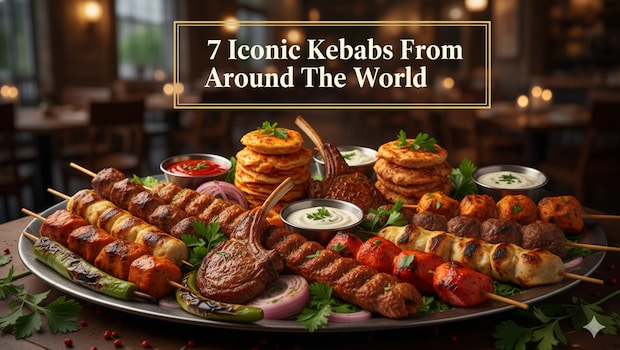
Kebabs are perhaps the world's most democratic food. They've travelled from ancient Persian battlefields to modern dinner tables across every continent. The fundamental idea is simple: meat, fire, spice. Yet within that simplicity lives extraordinary diversity. Turkish kebabs are completely different from Indian ones. Persian kebabs bear almost no resemblance to Lebanese kebabs. Middle Eastern preparation methods differ entirely from South Asian techniques. Each region claimed kebab, adapted it, made it its own, and transformed it into something genuinely different. What unites them is the understanding that meat cooked properly over fire, combined with the right spices and technique, creates something transcendent. Whether you're eating a fiery Adana kebab in southern Turkey or a delicate Galouti kebab from Lucknow, you're experiencing the same fundamental principle applied differently. Understanding iconic kebabs from around the world is understanding how food cultures communicate, borrow, transform, and create their own identity. These seven kebabs represent the best of what each region offers.
Also Read: 5 Winter Home Remedies Grandmothers Swear By For Stronger Bones And Immunity
Turkish Adana Kebab:
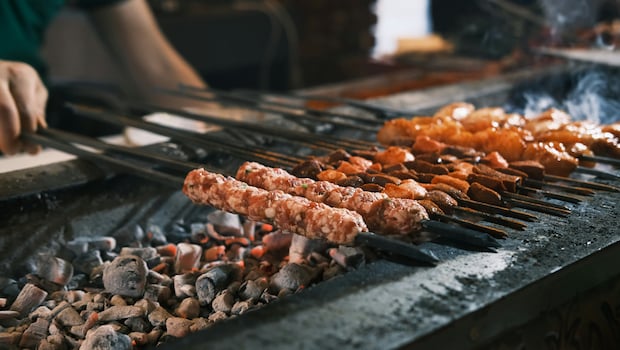
Adana kebab comes from the city of Adana in southern Turkey, a region so serious about kebabs that the city is considered the spiritual home of Turkish kebab culture. This specific variation emerged from the culinary traditions of southeastern Turkey, where Arab and Kurdish influences blend with Turkish technique. Hand-minced lamb or beef forms the base. The regional preference for heat drove the addition of red pepper flakes (pul biber) which define Adana's character.
Unlike kebabs made by pushing meat onto a skewer, Adana kebab involves hand-mincing the meat incredibly finely, mixing it with tail fat (which provides essential juiciness), and combining it with red pepper flakes. The resulting mixture is moulded onto flat metal skewers and grilled over charcoal. The high fat content means Adana kebab never becomes dry. The hand-mincing creates a texture that's smooth yet substantial. The red pepper flakes deliver genuine heat that builds as you eat.
Adana kebab tastes smoky, spiced, and seriously peppery. The charcoal cooking imparts depth. The red pepper flakes create a lingering heat that extends well beyond the initial bite. It's a kebab that announces itself. People either love it or find it too aggressive. The middle ground doesn't exist.
Traditionally served wrapped in flatbread with tomato, onion, and parsley. A squeeze of lemon. Maybe some yoghurt sauce if the meat proves too spicy. Adana kebab requires bread to contain the juices and heat. Eating it without bread is genuinely messy.
Persian Chelo Kebab:
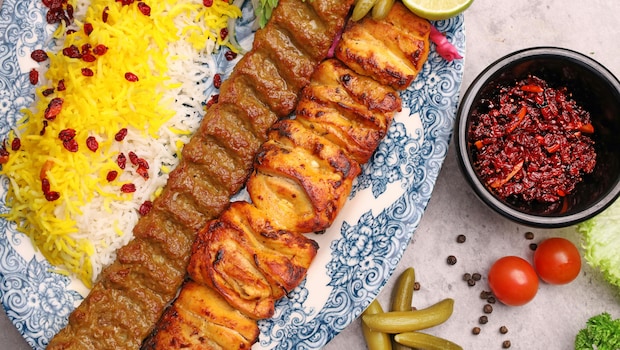
Chelo kebab is Iran's national dish. It represents Persian cooking at its most refined. The Persian Empire perfected the art of kebabs centuries ago, eventually serving them in royal courts alongside rice, herbs, and fruit. Chelo kebab specifically combines lamb or chicken kebabs with fragrant saffron rice (chelo), grilled tomatoes, and butter. This isn't casual eating. This is Persian fine dining.
The meat is marinated in yoghurt, lemon juice, and aromatic spices including turmeric and saffron. The rice is infused with saffron strands, creating that distinctive golden colour and delicate floral aroma. Grilled tomatoes add gentle sweetness and char. All components come together on a single plate. The balance between smoky meat, aromatic rice, and sweet tomatoes creates something genuinely transcendent.
Persian Chelo kebab tastes sophisticated. The saffron brings floral, slightly bitter notes. The meat tastes tender and aromatic without aggressive spicing. The grilled tomatoes add sweetness. The butter creates richness. Everything works in harmony. This kebab whispers rather than shouts.
Traditionally, you break the meat into rice, mix everything together, add the grilled tomato for sweetness, and taste each bite. The entire plate should be consumed together so flavours interact. Separate components don't make sense. Everything belongs together.
Indian Seekh Kebab:
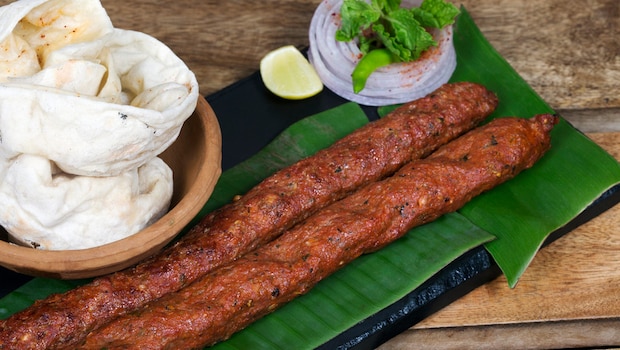
Seekh kebab is India's contribution to global kebab culture. The word “seekh” means skewer in Urdu. This kebab emerged during the Mughal era and has evolved into countless variations across India and Pakistan. Minced meat (traditionally lamb or mutton) is mixed with spices and herbs, shaped onto long skewers, and cooked either in tandoors or over open flame. Seekh kebab bridges Persian tradition with Indian spices.
Indian seekh kebab prioritises aromatic spices. A typical marinade includes yoghurt, ginger, garlic, green coriander, cumin, and coriander. The meat is incredibly well-spiced throughout, unlike some kebabs where spice sits on the surface. The mixture contains breadcrumbs or gram flour, which create structure and help bind everything. Cooking in a tandoor creates a charred exterior while maintaining juiciness inside.
Seekh kebab tastes warm, spiced, and genuinely aromatic. It's less aggressive than Adana kebab but significantly spicier than Persian kebab. The combination of ginger and garlic creates savoury depth. Coriander adds brightness. Green coriander brings herbaceous freshness. The overall effect is complex and layered.
Traditionally served with mint chutney, sliced lemon, and onion. The acidity and freshness cut through the richness. Many people eat seekh kebab rolled in flatbread with chutney. It's a casual, street-food energy compared to the plated elegance of Chelo kebab.
Turkish Doner Kebab:
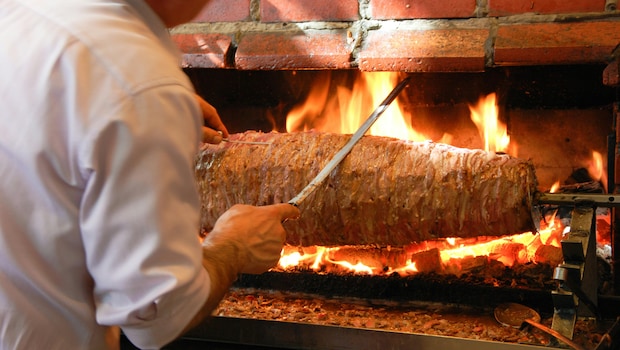
Doner kebab originated in the 19th-century Bursa, Turkey. The innovation was simple yet revolutionary: instead of grilling meat on a horizontal rotisserie (an older method), Turkish cooks invented the vertical spit. Meat is layered and pressed onto this vertical skewer, where fire slowly rotates and cooks it. As the outer layer becomes done, a cook shaves it off. The continuously rotating meat stays incredibly juicy inside whilst becoming crispy outside. This method revolutionised not just Turkish cooking but global street food.
The vertical rotisserie method ensures moisture distribution. The meat never dries out because continuous rotation prevents any part from cooking too aggressively. The layering technique means each slice contains a mix of well-cooked exterior and tender interior. The spice blend is typically milder than Adana, focusing on paprika, black pepper, and cumin rather than aggressive chilli.
Doner kebab tastes smoky, balanced, and genuinely juicy. It's the most accessible kebab because the heat level remains manageable. The spice layer creates interest without overwhelming. This is why doner kebab conquered Western markets so successfully. It satisfies without challenging.
Doner kebab appears in flatbread with tomato, onion, lettuce, and yoghurt sauce. This simple presentation has conquered every corner of the planet. The bread acts as a container and eating utensil simultaneously. Doner kebab represents casual, accessible kebab culture rather than ceremonial eating.
Indian Galouti Kebab:
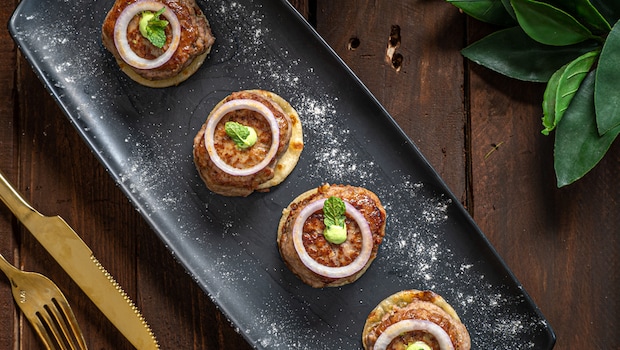
Galouti kebab comes from Lucknow, India, and represents the opposite end of the kebab spectrum from aggressive, heat-forward variations. The name “Galouti” means “melt in the mouth” in Urdu. Legend claims the kebab was created for a toothless nawab (nobleman) who wanted meat he could eat without teeth. Whether that story is true or apocryphal, the result is genuinely special.
Galouti kebab requires meat so finely minced that it becomes almost paste-like. Traditionally made with mutton, the meat is processed with lentils, yoghurt, and aromatic spices (cardamom, cloves, nutmeg, mace). Some recipes traditionally contained 160 spices. The texture is incredibly delicate. When cooked, it forms a patty that's almost soft enough to cut with a spoon. The outer edges crisp slightly whilst the interior remains incredibly tender.
Galouti kebab tastes delicate, aromatic, and sophisticated. Unlike aggressive spiced kebabs, every element contributes softly. Cardamom brings sweetness. Cloves contribute warmth. The meat remains the focus. This is a kebab for people who want depth without heat, texture without chewing.
Galouti kebab is typically served with flatbread, mint chutney, and sliced onion. The chutney's acidity cuts through the meat's richness. The onion adds crunch that contrasts with the kebab's softness. It's eaten carefully because the texture makes it fragile.
Also Read: How To Make A Soft Rava Cake Without An Oven Or Fancy Equipment
Lebanese Kafta:
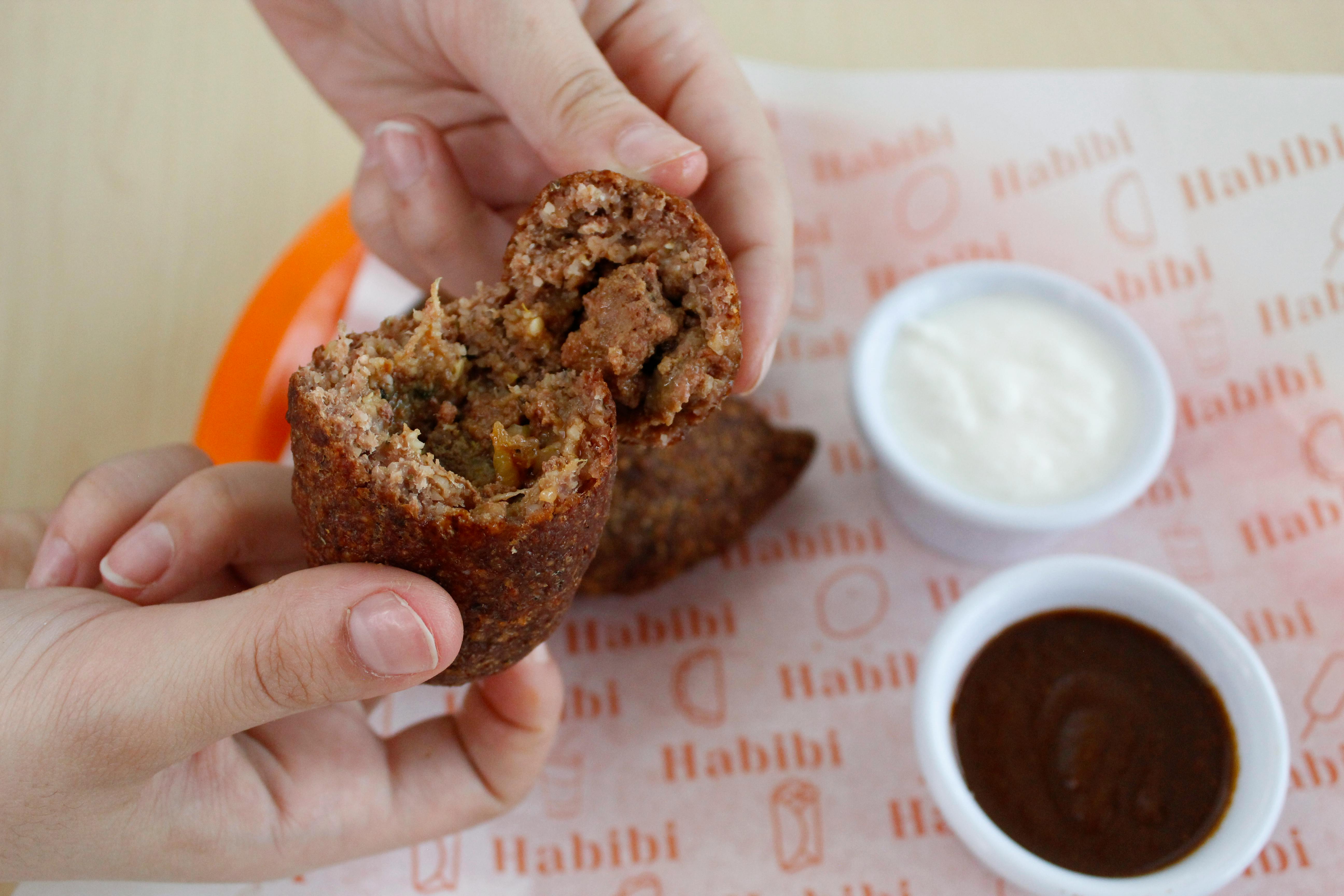
Kafta, the Lebanese version of minced meat kebab, represents Levantine culinary tradition. Kafta differs from other minced meat kebabs through its emphasis on herbs and spices unique to the Middle East. Parsley is key. Ground spices (cumin, coriander, allspice, cinnamon) define the flavour. The result is less about heat, more about aromatic complexity.
Kafta uses minced lamb with an incredibly high proportion of fresh herbs, particularly parsley. The meat-to-herb ratio sometimes reaches 50-50. Onions are finely minced and incorporated. The spice blend emphasises Middle Eastern combinations rather than Indian or Turkish approaches. Cinnamon provides subtle sweetness. Allspice brings depth. Everything works in concert rather than fighting for attention.
Kafta tastes herbaceous, aromatic, and genuinely green. Fresh parsley provides brightness. The spice blend creates warmth and complexity. The meat tastes delicate. This is a kebab designed to taste fresh despite being cooked. The herbs stay present.
Kafta is served with flatbread, tomato, onion, and often tahini sauce. The combination of herbaceous meat, creamy tahini, and fresh vegetables creates balance. It's meant to be wrapped, squeezed, and eaten casually.
Greek Souvlaki:
:max_bytes(150000):strip_icc()/SEA-Julia-Estrada-chicken-souvlaki-with-tzatziki-sauce-and-greek-salad-recipe-Hero-e54a0d9d16264a3da319096f3c943a00.jpg?im=FaceCrop,algorithm=dnn,width=620,height=350 "Latest and Breaking News on NDTV")
Greek souvlaki represents the Mediterranean interpretation of kebabs. The word “souvlaki” simply means “skewered” in Greek. Chunks of pork, chicken, or lamb are marinated in olive oil, lemon juice, and oregano. They're grilled on wooden or metal skewers and served simply. Souvlaki represents the Greek philosophy: respect the ingredient, don't overwhelm it.
Souvlaki uses olive oil and lemon as its primary flavouring agents rather than aggressive spices. Oregano provides the only dry spice. The meat is tender because the lemon's acidity partially “cooks” it during marination. The simplicity is deceptive. Done properly, souvlaki tastes perfect.
Souvlaki tastes clean, Mediterranean, and elementally simple. The lemon brings brightness. The oregano brings earthiness. The olive oil creates richness. The meat's natural flavour remains paramount. This is a kebab where ingredients matter more than technique.
Souvlaki is served in pita bread with tzatziki sauce, tomato, and onion. The cool, herby sauce contrasts with the warm meat beautifully. It's refreshing without being heavy.
Indian Shami Kebab:
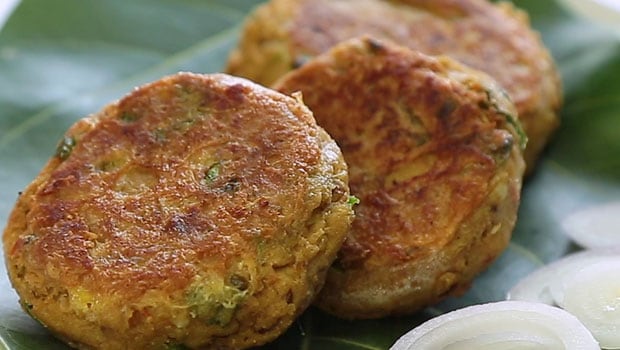
Shami kebab emerged in Lucknow during the Mughal era. It represents the marriage of minced meat and lentils, a combination that provides both protein and substance. Minced meat is mixed with cooked lentils, onions, ginger, garlic, and spices. The mixture is shaped into patties and either grilled or fried. Shami kebab is eaten more casually than Galouti, often as a snack or appetiser.
The inclusion of lentils transforms the kebab's character. Lentils add texture, earthiness, and nutritional value. The meat-to-lentil ratio determines the final character. More meat creates a meatier kebab. More lentils create something earthier. Most recipes balance both. Spices are warm rather than aggressive: cumin, coriander, garam masala.
Shami kebab tastes earthy, warm, and genuinely satisfying. The lentils provide subtle sweetness and nuttiness. The meat provides richness. The spices create aromatic depth. Unlike some kebabs that focus on heat, Shami kebab focuses on balance and comfort.
Shami kebab is typically served with mint chutney, sliced onion, and flatbread. It's eaten casually, often at lunch or as a snack. The combination remains consistent: fresh herbs and vegetables balance the cooked kebab.
Also Read: Gin Vs Vodka: Calories, Alcohol Content, Flavours - What's The Difference
These seven kebabs represent different regions, different philosophies, different interpretations of the same fundamental principle. Turkish kebabs embrace aggressive seasoning and fire. Persian kebabs emphasise elegance and aroma. Indian kebabs blend spice with texture. Lebanese kebabs celebrate herbs. Greek kebabs respect simplicity. What matters is understanding that kebab culture isn't monolithic. It's a global conversation about how to cook meat, season it, and serve it. Each culture's answer is genuinely different. Each is right within its own context. Trying kebabs from around the world teaches you about regions, traditions, and cooking philosophies. It's a genuinely wonderful education delivered one delicious bite at a time. The beauty of kebabs is their diversity within unity. Understanding that makes eating them genuinely special.