





There is a particular satisfaction in walking to your windowsill, pinching off a handful of fresh coriander, and dropping it straight into your dal. No running to the vendor at the last minute, no limp plastic-wrapped bunches with half the leaves already yellowing, no wondering what was sprayed on them at the farm. Growing your own herbs is one of the most practical, rewarding, and genuinely low-effort things you can do as a home cook. You do not need a terrace or a garden. A sunny windowsill, a balcony, or a bright corner of your kitchen will do just fine.
Also Read: Hanuman Jayanti 2026: 5 Traditional Bhog Recipes That Are Prepared During The Festival
Hear Are Nine Of The Best Herbs To Grow And Cook With
1. Coriander (Dhaniya)
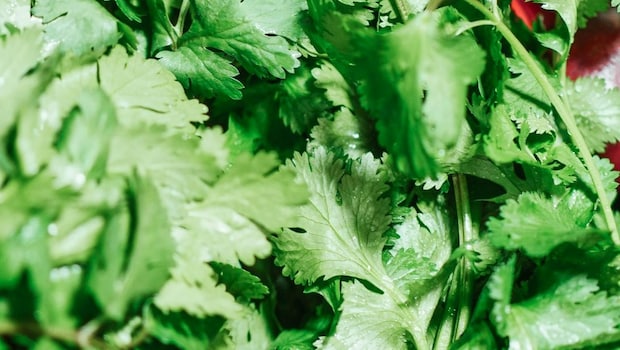
Photo Credit: Pexels
Ask any Indian home cook which herb they use most and the answer is almost always coriander. We garnish nearly everything with it, dals, curries, chutneys, parathas, biryanis, raitas. The fresh leaves bring a clean, citrusy brightness that dried powder simply cannot replicate. A bowl of rasam without fresh coriander on top is missing something. Even a simple kadhi looks incomplete without it.
How to grow: Use whole coriander seeds from your spice rack, crush them gently to split, and sow about half an inch deep in moist potting mix. Water gently and place in a bright spot with partial sunlight, avoiding harsh afternoon sun. Keep soil consistently moist. Germination occurs in a week to ten days, with harvestable leaves in three to four weeks. Sow seeds every two weeks in hot weather to prevent bolting. In winter, it thrives with minimal care.
In the kitchen: Fresh coriander leaves go into virtually everything, garnishing dals and sabzis, blending into green chutney with green chilli and lime, making coriander-mint chutney for snacks, adding to marinades for kebabs and tikkas, and finishing off biryanis, pohe, and salads.
2. Mint (Pudina)
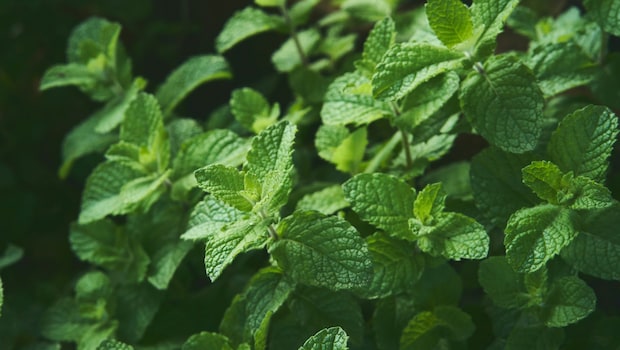
Photo Credit: Unsplash
Mint is possibly the easiest herb on this list to grow, and also the one most likely to take over every pot you own if you let it. It spreads aggressively by sending out horizontal roots (called runners), which is why every experienced gardener will tell you to always grow mint in its own dedicated container rather than mixed in with other herbs. Keep it contained and it will give you an almost absurd amount of leaves all year round with minimal effort.
How to grow: Start mint from cuttings for ease. Buy fresh mint with intact stems and lower nodes, trim bottom leaves, and place stems in water on a bright windowsill for three to five days until roots appear. Once roots are an inch long, plant in moist soil. Mint tolerates partial shade, making it ideal for less sunny spots. Water regularly to keep soil moist and trim frequently for bushy growth instead of long stems.
In the kitchen: Mint is the star of pudina chutney, arguably India's most-used condiment, served alongside everything from samosas to dosas. It goes into raita to cool down spicy dishes, into nimbu paani and jaljeera for summer drinks, into biryani and pulao during cooking for fragrance, and into chaas and lassi. Fresh mint tea is also excellent for digestion and extremely simple to make: a few leaves in hot water with honey is all it takes.
3. Tulsi (Holy Basil)

Tulsi occupies a unique position in Indian homes, it is simultaneously a sacred plant, a medicinal one, and a culinary one. Almost every Indian household has a tulsi plant, usually kept near the entrance or in the courtyard, and its cultural significance runs deep through Ayurvedic tradition. What many people overlook is how genuinely useful it is in the kitchen. The leaves have a warm, slightly spicy and clove-like flavour that is different from Italian basil, and that flavour works exceptionally well in hot drinks and everyday cooking.
How to grow: Tulsi thrives in heat and sunlight, needing well-draining soil with compost and five to six hours of direct sunlight daily. It can be grown from seeds, sprouting in two to three weeks, or from stem cuttings that root quickly in water. Once mature, regularly pinch off flowering tips to encourage leaf growth. Tulsi is forgiving for beginners and flourishes during the Indian summer and monsoon.
In the kitchen: Add a few fresh tulsi leaves to your morning chai for warmth and immunity benefits. Use it in kadha during cold season (brewed with ginger, black pepper, and honey). Tulsi leaves can also be used in light stir-fries, herbal teas, lemonades, and infused in ghee before tempering for an aromatic base. Add a leaf or two to your glass of water and leave overnight for a gentle herbal infusion that doubles as a morning wellness ritual.
4. Curry Leaf (Kadi Patta)
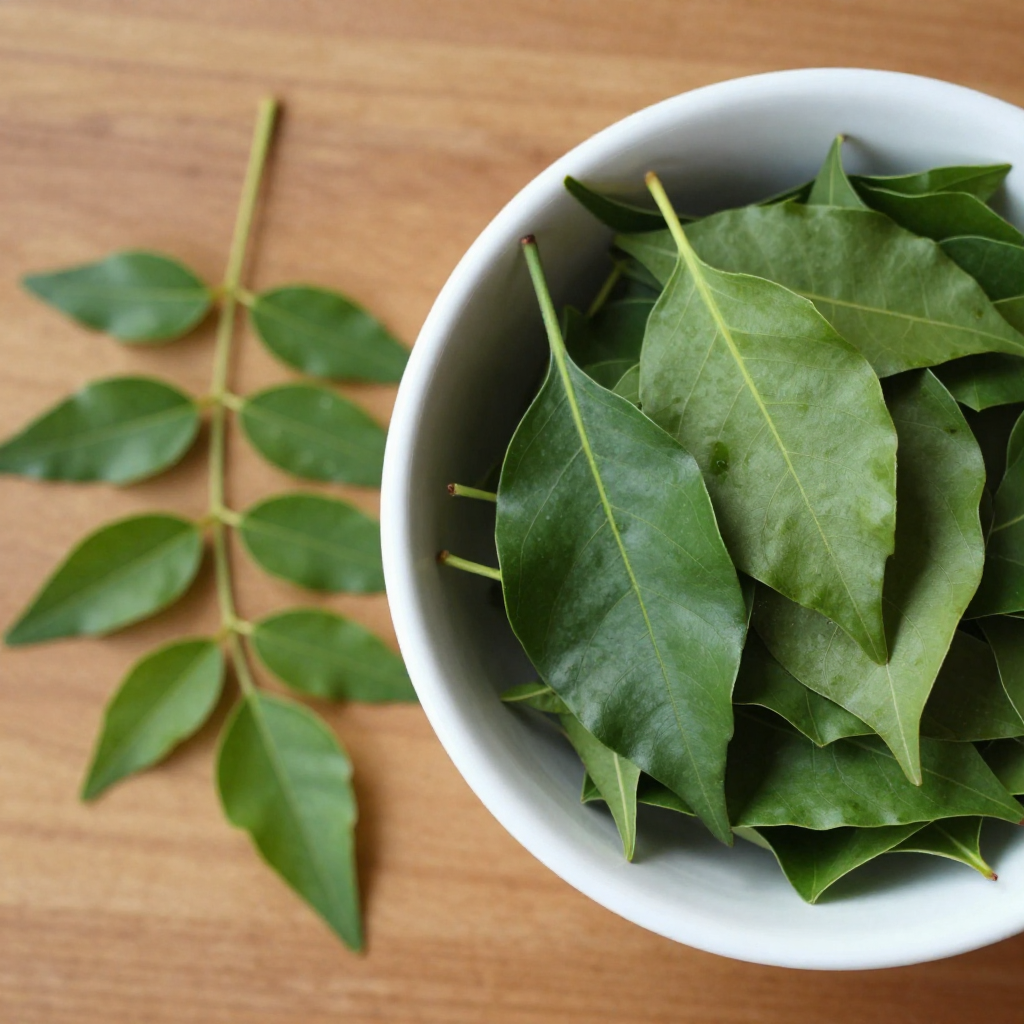
The sound of curry leaves crackling in hot ghee or oil with mustard seeds is one of the most distinctly Indian sensory experiences in cooking. If you are from South India, this is the flavour base of almost every dish. Even in North Indian cooking, curry leaves add a layer of depth to tadkas, chutneys, and rice preparations that dried alternatives cannot match. Fresh curry leaves from your own plant smell stronger and taste more intense than anything you can buy.
How to grow: Curry leaf is a slow-growing plant requiring patience. Plant a sapling in a deep pot with well-draining soil in a sunny spot. Water every alternate day, avoiding soggy soil. Do not harvest leaves for the first six months to a year, allowing the plant to mature until the stem thickens and turns woody. Once established, curry leaf plants are hardy and low-maintenance, lasting for years. Prune regularly for dense, bushy growth.
In the kitchen: Curry leaves are essential in the tadka for most South Indian dishes, dal, sambhar, rasam, kozhambhu, and avial all begin with curry leaves in hot oil. They go into coconut chutney, poha, upma, curry powders, and rice dishes. Fry them until crisp and scatter over curd rice or khichdi for a textural garnish.
5. Methi (Fenugreek)

Methi is the fastest-growing edible herb on this list and the ideal starting point for anyone who has never grown anything before. The seeds, which are the same fenugreek seeds sitting in your masala dabba, can germinate within a day or two of sowing. You can have harvestable fresh leaves within three to four weeks. It is instant gratification gardening at its most satisfying.
How to grow: Soak fenugreek seeds overnight to speed germination. Scatter them in a wide, shallow pot with good potting mix, cover lightly with soil, water gently, and place in a sunny spot for four to six hours. Water daily, keeping soil moist but not waterlogged. Seeds sprout in two to three days, with fresh leaves ready in three weeks. For continuous supply, sow seeds every two weeks. Methi can be grown as microgreens for a faster harvest, scatter seeds densely, water, and harvest in a week.
In the kitchen: Methi leaves are used in methi thepla, methi paratha, methi dal, methi malai paneer, and aloo methi sabzi. They add a pleasantly bitter, aromatic quality that makes them one of winter cooking's most distinctive flavours. The seeds are used separately as a spice in tempering and spice blends. Fresh methi leaves scattered over rotis or stuffed inside parathas is one of the simplest and most satisfying things you can make.
Also Read: How To Make Soft Garlic Naan On A Tawa With These Simple Tips
6. Lemongrass (Chai Wali Ghaas)
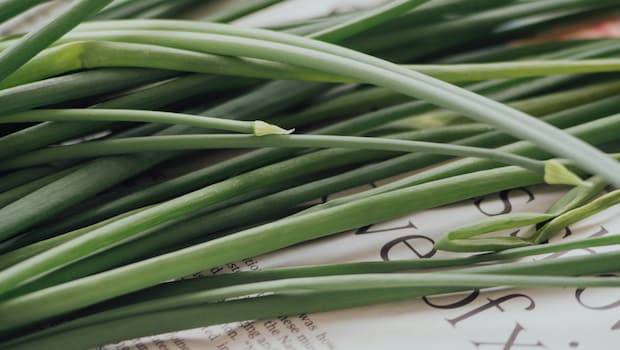
Photo Credit: Unsplash
Lemongrass is the herb that has quietly moved from hotel restaurant menus to home kitchens over the past decade, and for good reason. Its fresh, citrusy, almost floral fragrance is unlike anything else, and it infuses into hot liquids in a way that immediately elevates whatever it touches. It is also remarkably easy to grow, once established, it grows vigorously and requires very little from you.
How to grow: To grow lemongrass, buy a fresh stalk with an intact base from the market. Place it in a glass of water in a sunny spot; roots will appear in a week or two. Once roots are two to three inches long, plant in a large, deep pot (at least 12 inches) with well-draining sandy soil. Lemongrass needs full sun and watering once or twice weekly. It grows in clumps, so use a generously sized container. Trim dry or yellow leaves to promote fresh growth.
In the kitchen: Two or three stalks of fresh lemongrass simmered in your chai alongside ginger and cardamom is a completely different experience from regular masala chai, cleaner, more fragrant, and somehow both warming and refreshing. It goes into Thai curries, lemon-ginger soups, herbal teas, lemonades, and rice dishes. Bruise the base of the stalk before using it to release the volatile oils that carry the flavour.
7. Basil (Italian/Sweet Basil)
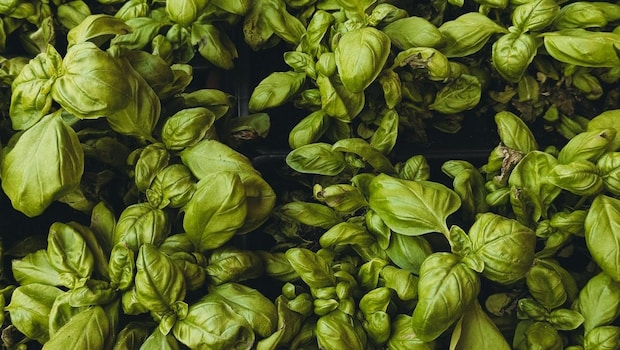
Italian basil is tulsi's close cousin and has become a staple in urban Indian kitchens as pasta, pizza, and continental cooking have become everyday rather than occasional. It has a sweeter, softer flavour than tulsi, more anise-like, less spicy, and it is brilliant raw as well as in cooked dishes. The key to cooking with basil is to add it right at the end of cooking, or not at all, because heat destroys its volatile oils quickly.
How to grow: Sow seeds in moist, compost-rich soil in a bright spot; seedlings appear in five to ten days. Basil thrives in full sunlight with consistent watering and needs space between plants. Pinch off flower buds promptly to maintain leaf sweetness and prevent decline. Regular pinching encourages a bushy, productive plant. Basil is sensitive to cold, flourishing best from March to October.
In the kitchen: Fresh basil is the soul of classic pesto (blended with garlic, olive oil, pine nuts, and Parmesan), and pesto on pasta or toast is a meal in itself. Scatter torn leaves over homemade pizza just before serving. Add to pasta salads, caprese salads (with fresh tomato and mozzarella), or blend into cream-based pasta sauces. Basil also pairs well with roasted cherry tomatoes and fresh burrata as a simple starter.
8. Dill (Sowa Bhaji)
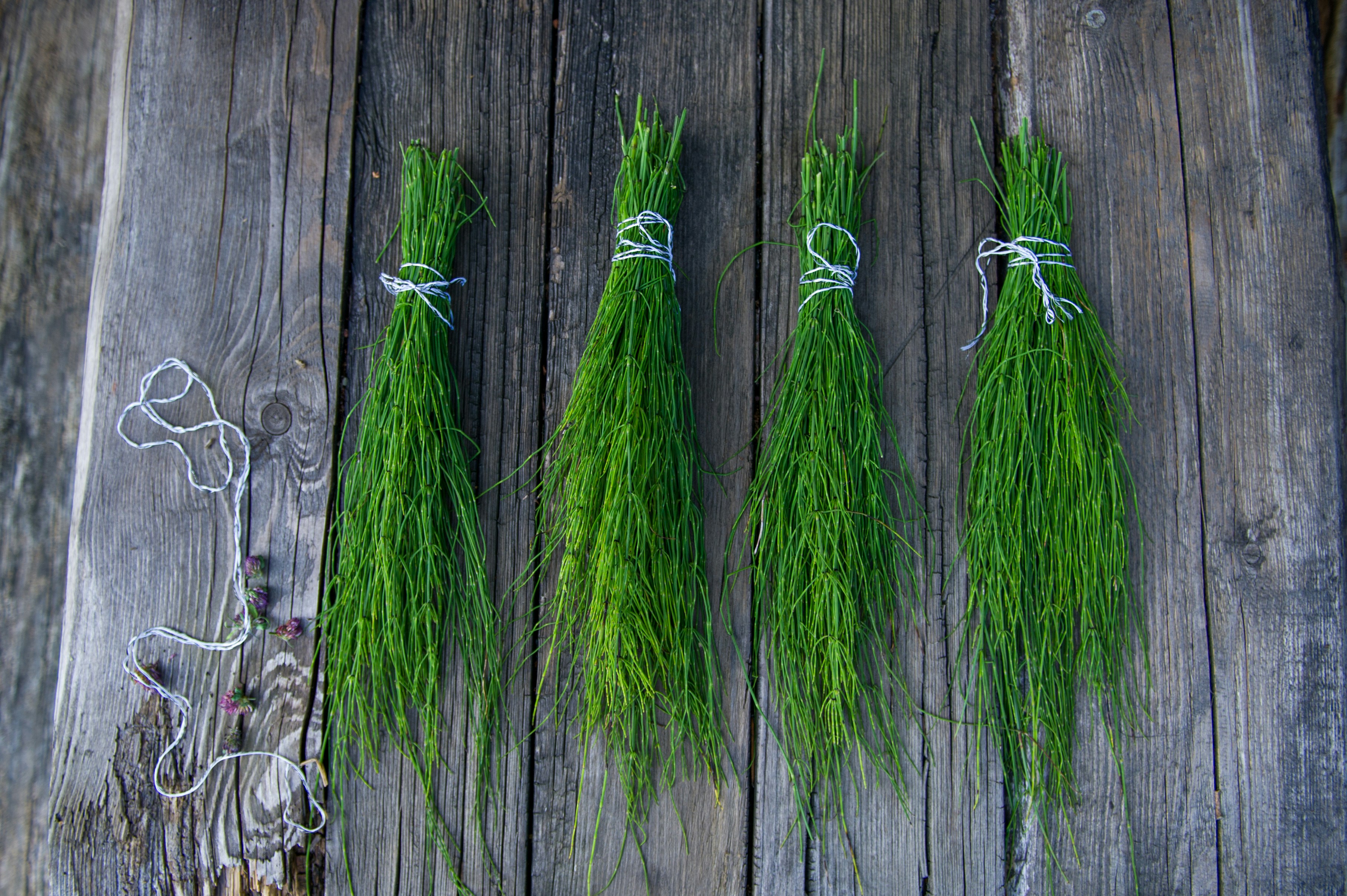
Dill is one of the most underused herbs in the Indian kitchen, which is puzzling because it is widely grown across the country and used extensively in Gujarati, Bengali, and Maharashtrian cooking. Its feathery, bright green fronds have a fresh, slightly anise-like flavour that goes beautifully with eggs, fish, potatoes, and yoghurt-based dishes. It is also excellent in raitas and dips. Dill grows quickly and is generously productive.
How to grow: Dill requires a deep pot, at least 12 to 15 inches, due to its long taproot. Sow seeds directly in well-draining potting mix, ensuring six or more hours of sunlight. Water regularly, letting the top inch of soil dry between waterings. Dill can reach 60 to 90 centimetres, so plan its placement accordingly. Harvest in six to eight weeks by snipping fronds as needed. The flowers and seeds are also edible and useful.
In the kitchen: Use fresh dill fronds in doi maach (Bengali fish in yoghurt sauce), in aloo dill sabzi, in raita mixed with cucumber, in scrambled eggs, and in yoghurt-based dips for chaat and kebabs. In Gujarati cooking, suva (dill) goes into bhaji and dal preparations with a characteristic gentle flavour. It pairs brilliantly with salmon or any white fish, and with cream cheese for sandwiches.
9. Rosemary
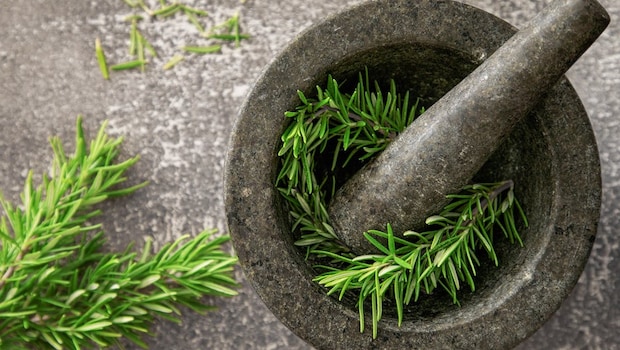
Rosemary is not a traditional Indian herb, but it has earned a deserving place in the modern Indian kitchen. It is a woody, fragrant Mediterranean herb with needle-like leaves and an intensely piney, slightly camphor-like aroma that is unlike anything else in the herb world. It is also one of the most low-maintenance herbs you can grow, once established, it is extraordinarily forgiving and can survive a fair degree of neglect.
How to grow: Rosemary thrives in sunny spots with well-draining, slightly sandy soil, adapted to dry Mediterranean conditions. It prefers drying out between waterings, so overwatering is a common mistake. In humid Indian climates, ensure excellent drainage and wait until the top two inches of soil are dry before watering. Rosemary can be grown from seeds (slow) or cuttings (faster). A 10 to 15 cm cutting, stripped of lower leaves and placed in moist sand or potting mix, roots in three to four weeks.
In the kitchen: Rosemary infused in olive oil with garlic makes a brilliant base for roasting potatoes, sweet potato, or vegetables. Add a sprig to marinades for grilled chicken, paneer tikka, or lamb. It goes into focaccia bread, herb butter, and pasta sauces. Toss a few sprigs with roasted mushrooms, cherry tomatoes, and goat cheese for a simple side dish. Even a rosemary simple syrup (made by simmering rosemary with sugar and water) works beautifully in lemonade and cocktails.
Also Read: Nutritionist Explains How Banana With Lemon And Salt Can Improve Gut Health
The Bit About Not Overcomplicating It
Growing herbs at home does not require expertise, special equipment, or significant time. It requires a pot with a drainage hole, some potting mix, occasional water, and a reasonably sunny spot. Start with two or three herbs that you genuinely cook with regularly, for most Indian households, that means coriander and mint as the non-negotiables, and one more based on your cooking style. Once those are thriving, add one or two more. The goal is not a perfect Instagram-worthy garden. It is the deeply practical pleasure of snipping what you need, exactly when you need it, from something you grew yourself. That is its own reward.