



Maida sits quietly in almost every Indian kitchen, playing a powerful role in what we cook. From birthday cakes and bakery-style breads to indulgent bhaturas and crispy snacks, this one ingredient seems to do it all. While it may be versatile, maida isn't the healthiest choice to rely on every day. So what really makes it “all-purpose”? And more importantly, when should you replace it?
Why Is Maida Called “All-Purpose Flour”?
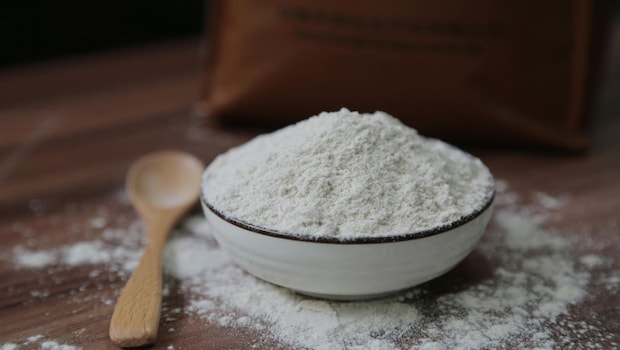
Maida is a refined wheat flour made by removing the outer bran and germ of the wheat grain. What remains is the inner part, which is ground into a fine, soft powder. This refining process makes the flour smoother and easier to mix. Since the oil-rich germ is removed, maida also lasts longer on the shelf.
What makes it so versatile is its gluten content, which allows it to stretch and hold air without becoming too tough. That balance is why it's called all-purpose. It sits between strong bread flour and delicate cake flour, making it adaptable for multiple recipes.
Also Read:A Simple Way To Make Perfect South Indian Coconut Chicken Curry
When you bake a cake, maida helps create a soft, light crumb because it forms a gentle gluten network that traps air bubbles. In breads, kneading develops gluten further, giving structure and chewiness. And when it comes to bhaturas, maida creates that stretchy dough that puffs beautifully in hot oil.
Why Maida May Not Be The Healthiest Choice
While maida works beautifully in cooking, nutritionally it falls short. The refining process strips away fibre, vitamins, and minerals, leaving behind mostly simple carbohydrates. This means it digests quickly, can spike blood sugar levels, and doesn't keep you full for long.
You don't need to eliminate it entirely, but relying on it too often isn't ideal. That's where smarter flour swaps come in.
8 Flours You Can Replace Maida With In Cakes And Breads
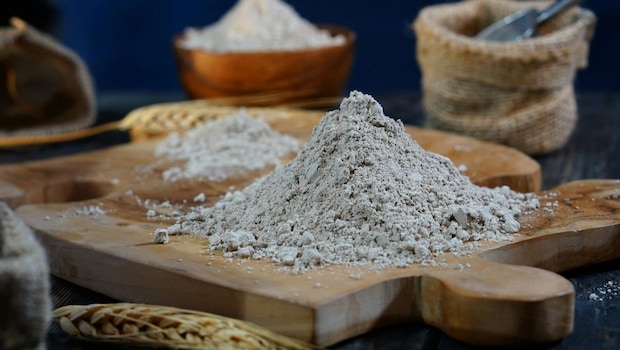
Photo: Pexels
Now that you understand how maida works, here are better alternatives you can use depending on what you're making:
For Cakes
If you want healthier cakes without losing softness, almond flour is a great option, it adds richness and moisture. However, it can make cakes dense if used alone, so mixing it with whole wheat flour works better. Oat flour is another excellent choice; it's naturally light with a mild sweetness, perfect for tea cakes.
Also Read:Why This Traditional Goan Drink Appears For Only 8 Weeks Every Summer
For Breads
Bread needs structure, so flour choice matters more. Whole wheat flour is richer in fibre and makes denser, more filling loaves. If you still want a softer texture, you can combine it with multigrain flour or a small portion of maida. High-gluten bread flour is also an option when structure is key.
For Bhaturas
Replacing maida in bhaturas is tricky, but not impossible. A mix of atta and sooji can mimic elasticity while adding texture. Adding yoghurt helps improve fermentation and keeps the dough soft.
For Snacks & Cookies
Besan brings a nutty flavour and works well in savoury bakes. Ragi flour adds an earthy depth and boosts nutrition. For extra crunch, rice flour is a great addition, especially in crispy snacks.
So the next time you bake a cake, knead dough, or fry a bhatura, think beyond maida. It may be “all-purpose,” but your kitchen can definitely do better with smarter, healthier swaps