






There is a moment in most Indian kitchens, usually somewhere around your late twenties or early thirties, when you find yourself thinking about your grandmother's cooking. Not just what she made, but how she made it. Chances are, a mitti ka bartan sat on her stove. And somehow, everything that came out of it tasted better than anything you have managed to recreate since. That is not just nostalgia talking. There is real science behind why food cooked in earthen pots tastes different, and why the humble clay vessel might be one of the smartest cookware choices you can make today. This is the full case for the earthen pot, and why it holds up against steel, non-stick, and every modern alternative.
What Is an Earthen Pot, Exactly?
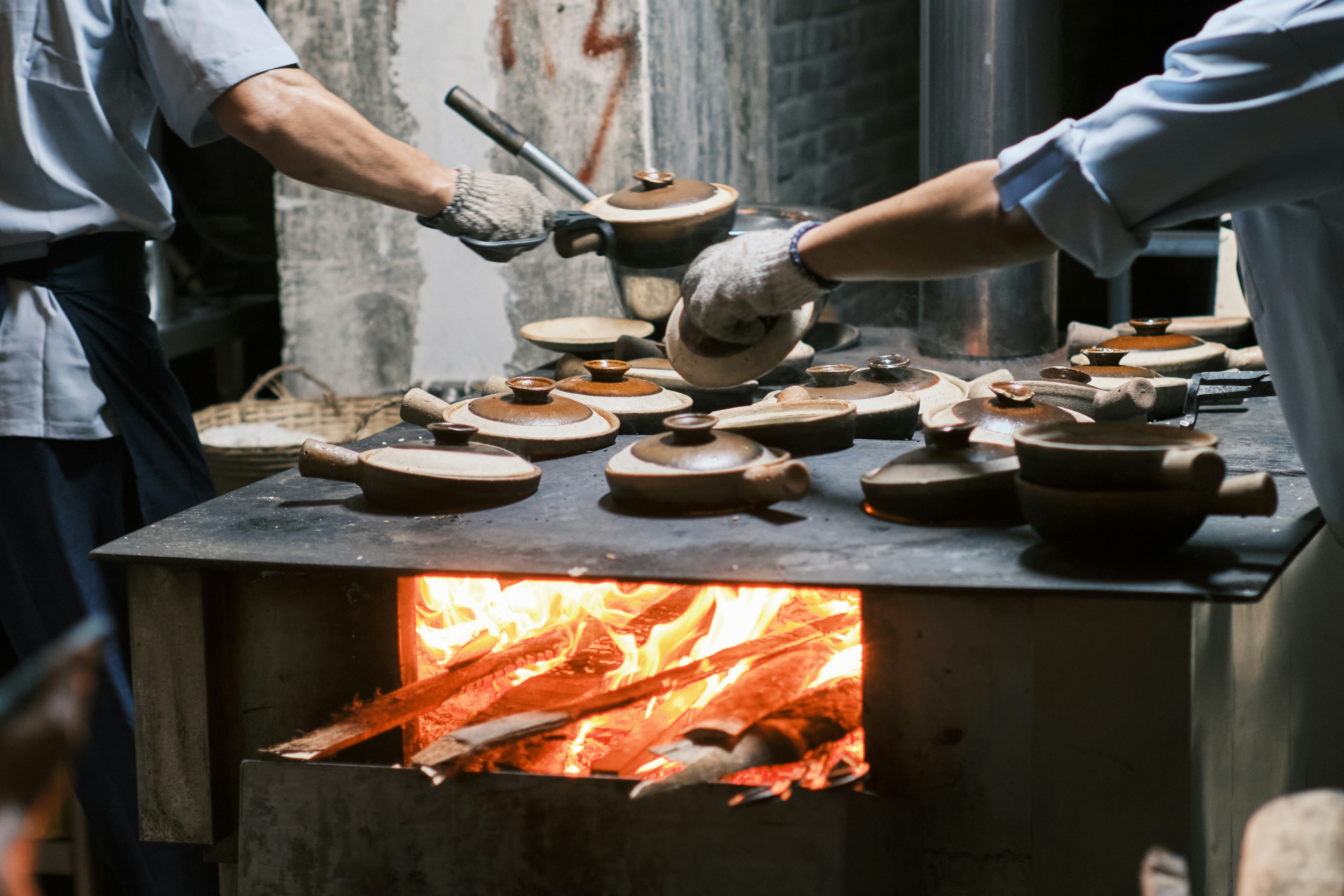
An earthen pot, also called a clay pot or mitti ka bartan, is a vessel made from natural clay that has been shaped and fired at high temperatures. The result is a porous, breathable material that conducts heat slowly and evenly. It contains no chemical coatings, no synthetic layers, and no additives. Clay pots are 100% organic; no chemicals, no coatings, only pure clay, making it possible to cook with complete confidence, knowing your food is wholesome and safe.
The keyword here is porous. That single characteristic is responsible for almost everything that makes clay cooking special.
Also Read: How To Make Protein-Rich Rajasthani Cheela Raita In Just 20 Minutes
Earthen Pot vs Steel Pot: The Core Differences
Feature | Steel/Aluminium Pot | Earthen Pot |
| Heat Application | Quick and uneven | Even, slow, and delicate |
| Heat Conductivity | Fast, causing the bottom to be much hotter than the top | Slow, wrapping heat around food gently |
| Moisture Retention | Food often loses moisture | Retains moisture, making food juicier and tender |
| Flavour Enhancement | Spices and seasoning may not penetrate deeply | Carries spices and seasoning deeply, enhancing flavour |
| pH Balance | Can cause metallic sharpness in acidic foods | Alkaline, counteracts acidity, enhances natural flavours |
| Oil Usage | Requires more oil to prevent sticking | Less oil is needed due to moisture retention |
| Cholesterol Impact | Higher cholesterol due to more oil usage | Potential for fat-free meals, reducing bad cholesterol |
| Heat Retention | Heat dissipates quickly | Retains heat well, keeping food hot or cold longer |
Does Food Actually Taste Better in Clay?
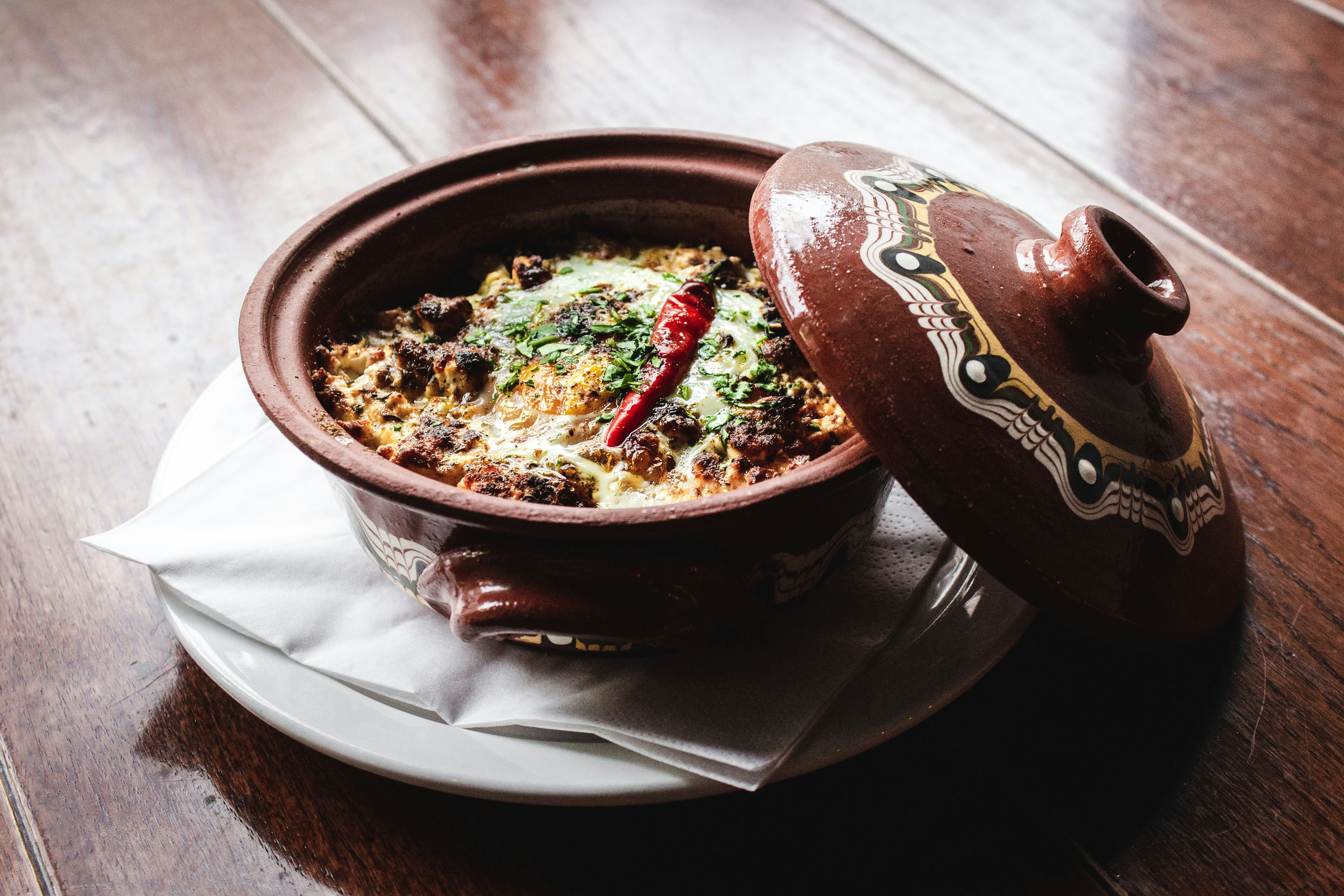
This is the question most sceptics ask, and the answer is yes, and it goes beyond nostalgia. In a 2017 scientific study, researchers conducted a blind degustation test with pea pasta prepared in both clay and stainless steel pots. The clay pot-cooked samples had higher scores of "colour," "mouthfeel," "taste," and "overall quality" than the iron pot-cooked versions.
From personal experience with dishes such as stews, braises, or beans, the difference in food taste, texture, and smell is real. Dishes made of meat and vegetables cooked slowly in liquid in a closed clay pot, and especially dishes based on legumes, show particularly strong results; the intensity of the umami taste from clay pot cooking is consistently impressive.
This can be a consequence of the specificities of cooking in non-glazed clay pots, such as clay properties related to pH neutralisation of the food, prevention of the loss of water and volatile aromas, as well as the exchange of minerals between the clay and the dish.
Why Earthen Pots Are Also Good for You and the Planet
Beyond flavour, there are genuine health and environmental reasons to choose clay. Non-stick pans contain dangerous chemicals such as PFOA and PTFE, which can infiltrate food, particularly when cooking at high heat. With prolonged exposure, these toxins can invoke serious health concerns.
Clay is an environmentally friendly substance, completely natural, inert, and non-toxic. When taken care of properly, clay pots can last quite a long time. They are completely biodegradable. A non-stick pan that scratches, chips, and needs replacing every few years has a far larger environmental footprint than a clay pot that, if cracked, simply returns to the earth.
Earthenware vessels have a unique quality of keeping in all the steam and vapour that evaporates during cooking, which helps to retain all the nutrients of the food. It also reduces the need to add more oil or water.
Also Read: Taco Bell To Introduce India's Butter Chicken Taco In The US After Winning Majority Vote
Clay Pots Around the World: The Same Wisdom, Many Names
One of the most compelling arguments for earthen cookware is that every major food culture on earth arrived at the same conclusion independently: clay is the right material to cook in. The vessels look different and carry different names, but the principle is identical.
The Handi (India)
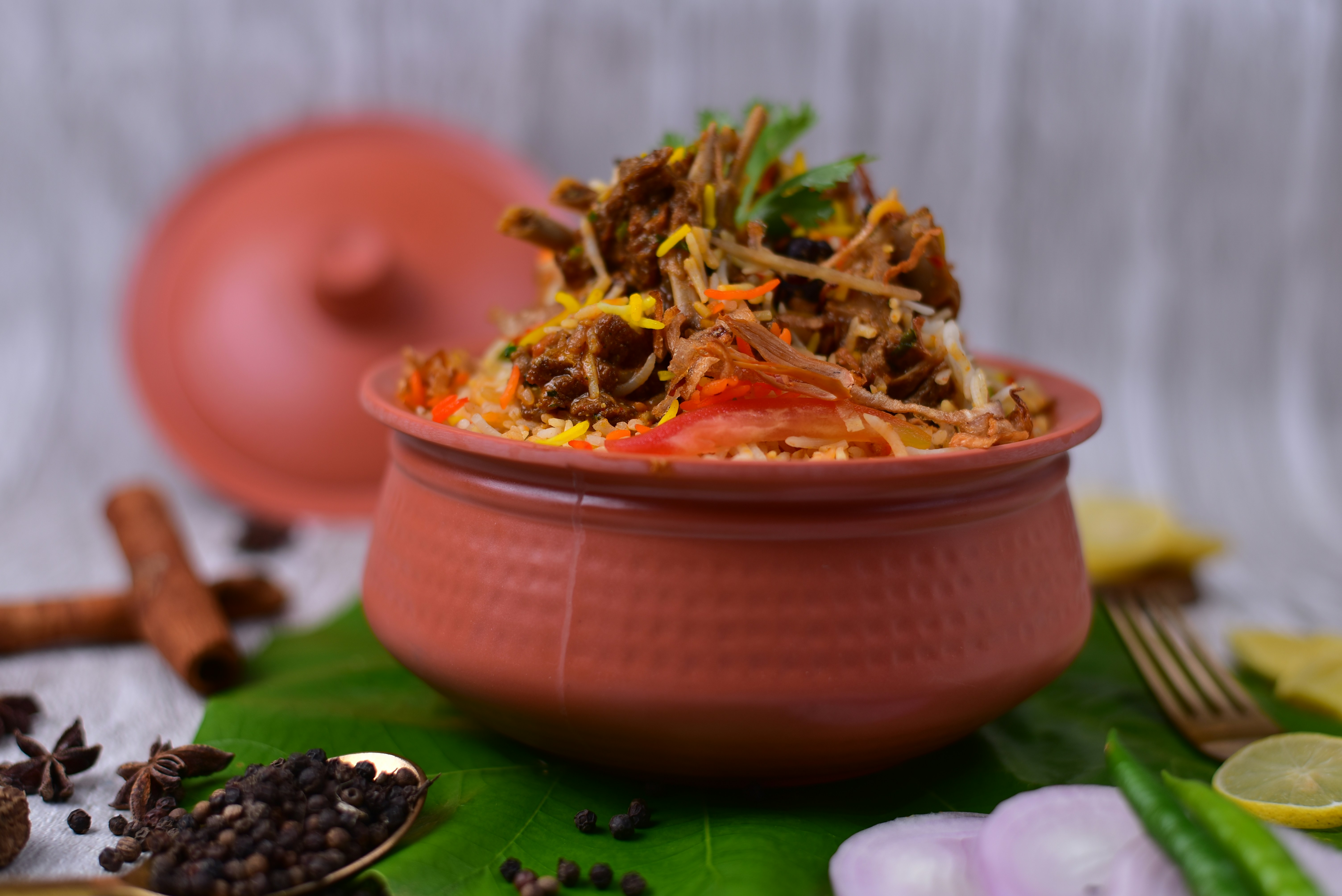
The handi is perhaps the most iconic clay vessel in the Indian kitchen. It is wide-mouthed, deep, and available in varying sizes from small personal vessels to the massive ones used for dum biryani. The characteristic shape, wider in the middle and narrowing slightly at the top, is not accidental; it is designed to trap steam inside, creating a pressure-less but moisture-rich cooking environment. Dum cooking, where the lid is sealed with dough, and the pot sits on low heat for a long time, is arguably the most sophisticated use of clay cookware anywhere in the world. The biryani that results is layered, fragrant, and has a depth of flavour that a pressure cooker simply cannot replicate.
The Tagine (Morocco)
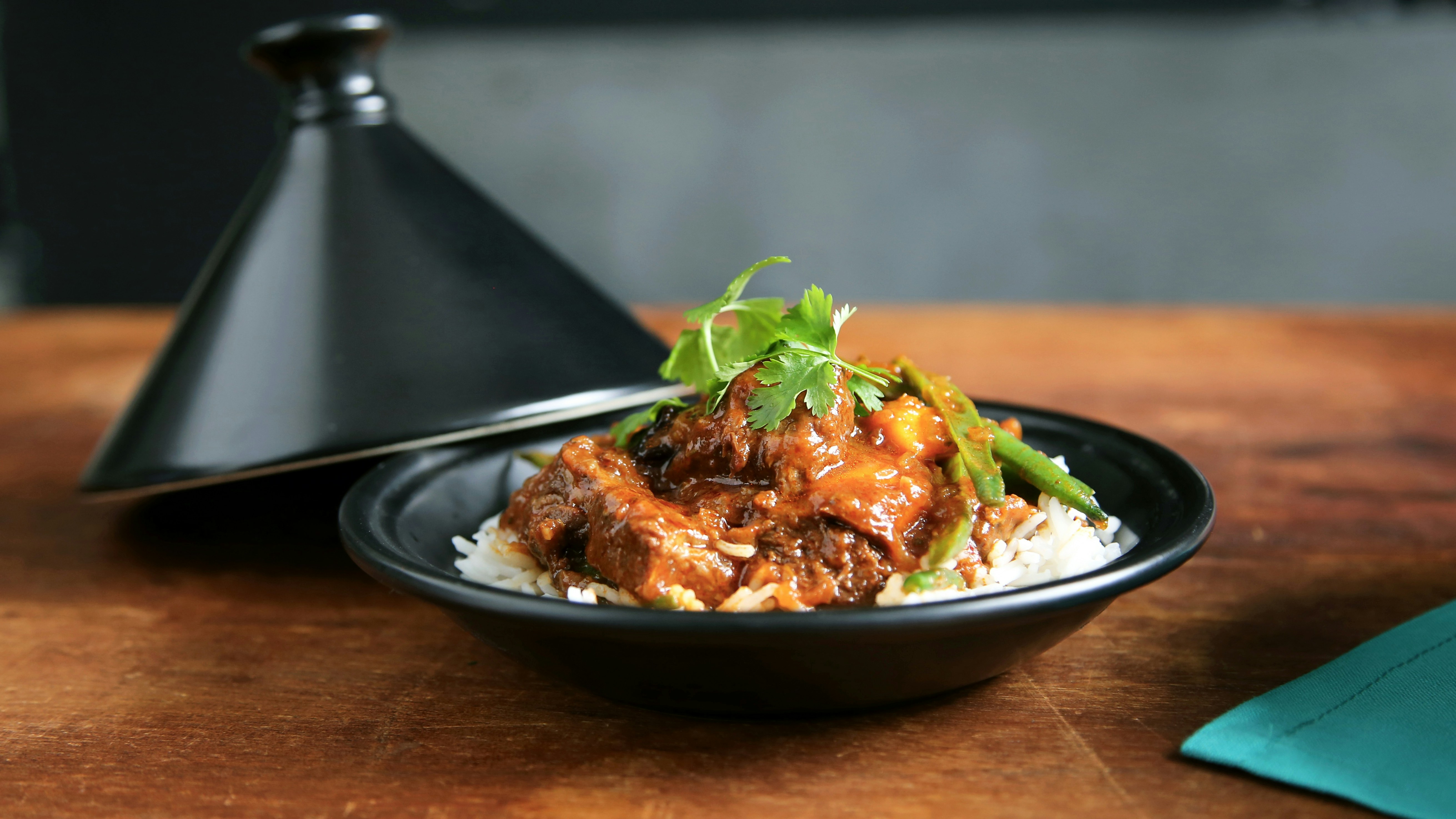
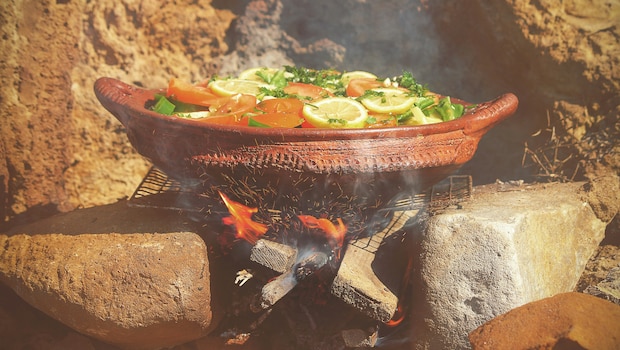
The tagine is a two-part clay vessel used across Morocco and North Africa. The bottom is a flat, shallow dish, and the top is a distinctive conical lid that tapers to a point. That conical shape is the genius of it; steam rises, condenses on the cool inner surface of the cone, and drips back down onto the food. The result is a completely self-basting cooking environment that requires very little added liquid and produces extraordinarily tender meat and vegetables. A slow tagine of lamb with preserved lemon and olives, left to cook on a very low flame, is a masterclass in what clay can do to food.
The Donabe (Japan)
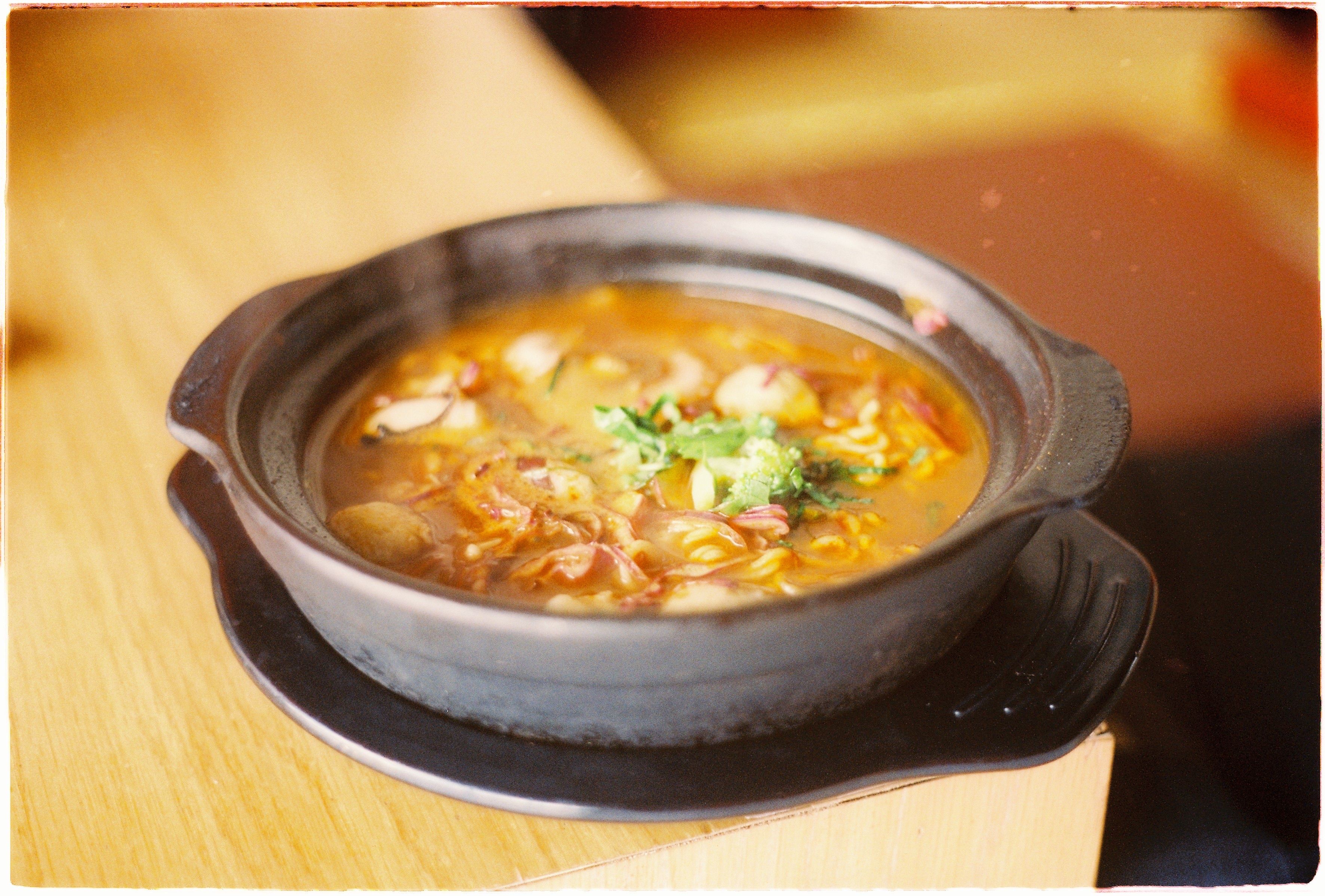
Japan's version of the clay pot is the donabe, a round, lidded vessel traditionally used for hot pots, rice cooking, and slow-simmered dishes like oden. Japanese clay cookware culture is meticulous and deeply respected. High-quality donabe from the Iga region of Japan are considered heirloom pieces, passed down through families. The clay from that region is particularly porous and resilient to thermal shock, allowing the donabe to go from cold to hot without cracking. Rice cooked in a donabe has a distinct sweetness and texture that rice cookers cannot match, crunchy on the bottom, soft and fragrant at the top.
The Casserole (France)
The French casserole is a lidded clay or ceramic vessel used for braising meats and slow-baking dishes in the oven. While modern versions are often made from enamelled cast iron, the original casserole was earthenware. The French tradition of low and slow oven cooking, cassoulet with duck confit and white beans, for example, owes its depth and richness entirely to the properties of clay. The slow, even heat of the oven combined with the moisture-retaining properties of the vessel produces something impossible to rush.
The Cazuela (Spain and Latin America)

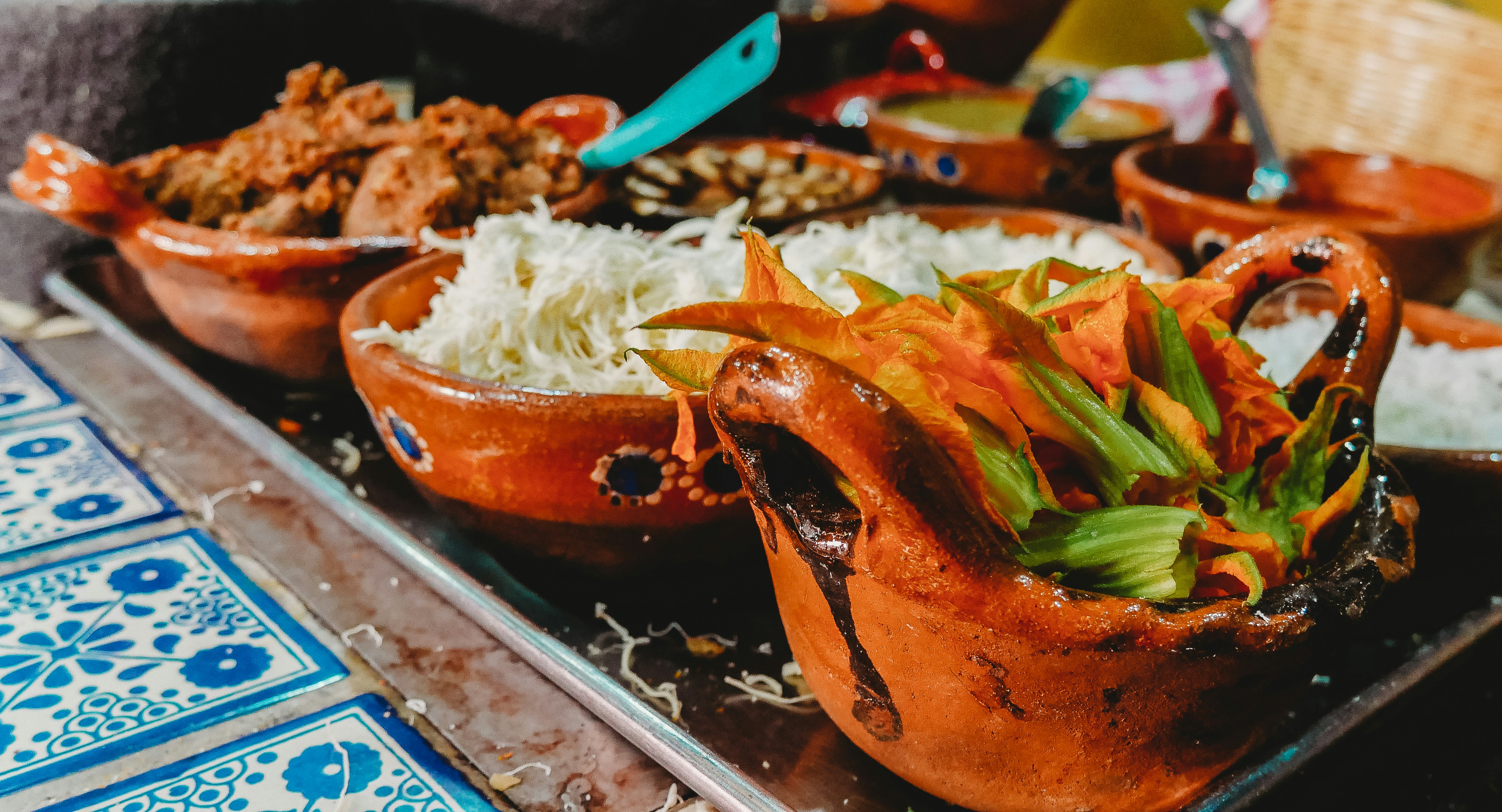
The cazuela is a shallow, wide clay dish used across Spain, Mexico, and much of Latin America. Unlike deep-bottomed vessels, the cazuela is designed for dishes that need a large surface area, seafood paellas, baked eggs, and roasted vegetables. The shallow shape allows for some evaporation at the edges while the centre stays moist and flavourful. In Mexican cooking, the cazuela is used for everything from slow-cooked moles to warm salsas kept on low heat throughout a meal. In Spain, it goes straight from oven to table as a serving vessel, which means the food stays warm right through the meal.
What to Keep in Mind If You Start Using Clay
Clay pots require a small amount of care that steel pots do not. A new clay pot should be soaked in water for 8 to 12 hours before its first use, and then rubbed with a little oil. These conditions strengthen the pores and pot. Never put a clay pot directly from the fridge onto a hot flame; the thermal shock can crack it. Always start on low heat and build up slowly. Use a heat diffuser on gas burners if you have one.
Cleaning is also different. Harsh soaps and scrubbers strip the natural seasoning of the pot. A rinse with warm water and a soft cloth is usually all it needs. Over time, the pot develops a seasoning, a layer built from all the dishes cooked in it, that makes it naturally non-stick and adds complexity to everything you cook.
Also Read: Skip The Store And Save Big: 7 Expensive Kitchen Ingredients You Can Make At Home
Other Alternatives Worth Knowing About
If clay feels like a big shift, cast iron is the next best option. It retains heat beautifully, has no chemical coatings, and gets better with use. Stainless steel is perfectly safe and hygienic, but does not bring anything extra to flavour. Non-stick is convenient but has well-documented concerns around chemical coatings at high temperatures. For everyday dal, stainless steel is fine. For a biryani, a khichdi, or a slow mutton curry that you want to genuinely stand out, there is simply no substitute for clay.
The Pot Your Grandmother Was Right About
There is a reason the earthen pot has not been replaced in any serious cooking culture in the world, despite centuries of innovation in materials science and cookware technology. Clay pot cooking pushes you to slow down and enjoy the process. Whether it is a hot pot of biryani, a comforting dal, or a fragrant stew, cooking in a clay pot makes every dish feel more special. That is not a small thing. The best food has always come from a place of patience, and the earthen pot is the most honest expression of that patience there is. Start with a small handi. Season it properly. Cook a simple dal in it. The difference will be noticeable from the very first bite.