





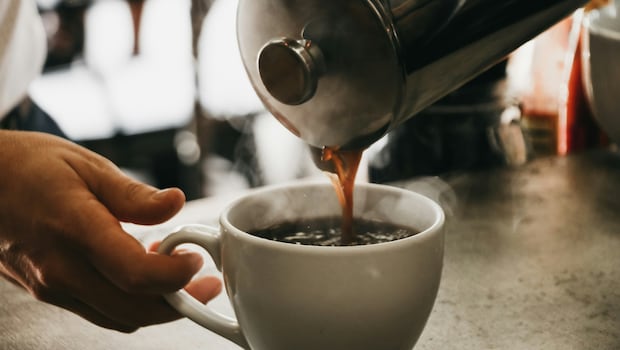
India's relationship with coffee is changing fast. A few years ago, the choice was largely between instant coffee at home and whatever the nearest cafe was serving. Today, a growing number of people are investing in proper beans, picking up brewing equipment, and genuinely caring about what goes into their morning cup. But somewhere between buying a bag of decent coffee and actually getting it to taste like something from a good cafe, things tend to go sideways. The cup is either too weak, too bitter, too flat, or simply not the same. The good news is that the gap between your kitchen and your favourite cafe is smaller than you think, and you do not need an espresso machine to close it.
Before the Tips: A Quick Reality Check
Most of the difference between a forgettable cup and a genuinely good one comes down not to equipment but to a handful of basic decisions made before water meets coffee. The machine, or in this case the lack of one, is almost never the limiting factor. What matters is the coffee you buy, how you store it, how you grind it, the temperature of your water, and how you actually brew it. Fix those things and the cup fixes itself. Here are six practical tips that make the biggest difference.
Also Read: 6 Hydrating Recipes For Eid-ul-Adha To Stay Cool In Summer Heat
Tip 1: Buy Fresh Coffee and Buy It Whole Bean
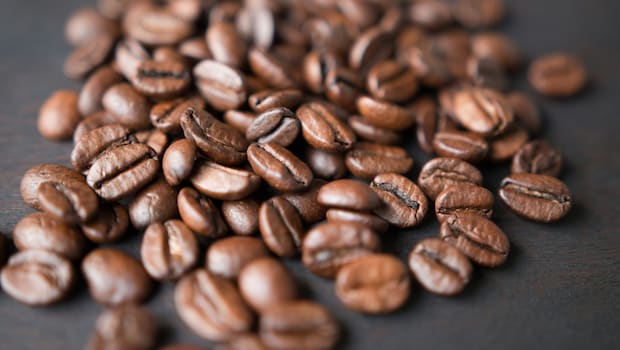
This is the most impactful change you can make for your coffee experience, and it costs nothing extra if you're already buying decent coffee. Coffee is best in the first three to four weeks after roasting. After that, it loses its freshness. The CO2 that gives freshly roasted coffee its bloom dissipates over time, taking much of the flavour with it.
Pre-ground coffee on supermarket shelves in India is likely ground weeks or months before purchase. Ground coffee has a larger surface area than whole beans, so it oxidises and goes stale faster. Buying whole beans and grinding just before brewing preserves the flavour until it reaches your cup.
Look for roasters who print the roast date on the bag, not just the expiry date. Several Indian specialty roasters, like Blue Tokai, Dope Coffee, and Curious Life Coffee, now sell directly online and roast to order. A 250g bag brewed fresh will taste better than a 500g bag of ground coffee sitting open in your kitchen.
Tip 2: Grind It Yourself, and Match the Grind to Your Brew Method
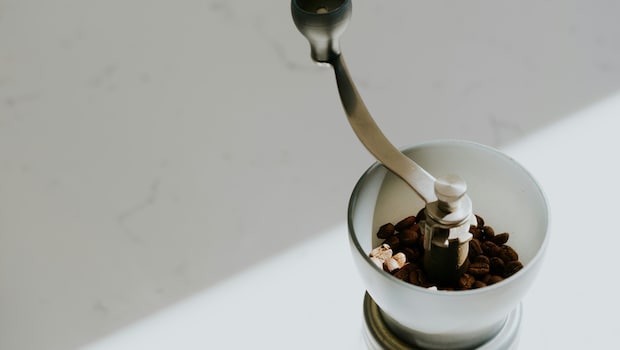
Once you have whole beans, you need to grind them. A basic hand grinder costs between 700 and 2,000 rupees online and is a worthwhile investment. The grind size is not arbitrary: it directly controls how quickly water extracts flavour from the coffee. Use the wrong grind and you either over-extract (bitter, harsh) or under-extract (sour, weak) regardless of how good your beans are.
As a general rule: coarser grinds for methods where water sits with coffee for longer (French press, cold brew), medium grinds for pour-over and drip, and finer grinds for the moka pot. If your coffee tastes bitter, go coarser. If it tastes sour or thin, go finer. Grind size is your most powerful flavour dial and adjusting it costs nothing at all.
Tip 3: Get Your Water Temperature Right
Boiling water at 100°C is too hot for most brewing methods, scorching coffee and extracting bitter compounds. The ideal temperature is between 90 and 96°C. To achieve this, boil the water, let it sit for 30 to 45 seconds, then pour. No thermometer is needed; just boil, wait, pour. This simple step enhances the coffee's flavour, highlighting sweeter, aromatic notes over bitterness. While this adjustment is crucial for green or white tea, coffee also benefits significantly. It's a quick change that consistently improves the cup's quality.
Also Read: Award-Winning Delhi Bar PVR HOME Shuts Down, Patrons Call It 'End Of An Era'
Tip 4: Use a Pour-Over or French Press Instead of a Drip Maker
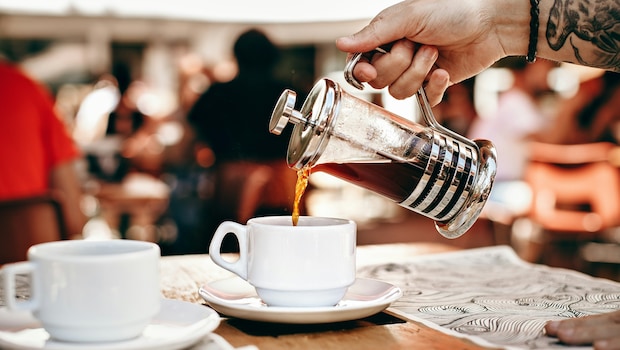
This is where the espresso machine conversation becomes irrelevant. Two of the best methods for making genuinely excellent coffee at home require no electricity and no expensive hardware.
A pour-over setup, essentially a funnel with a paper filter resting over a cup or jug, gives you clean, bright, aromatic coffee with exceptional clarity. The method is straightforward: add ground coffee to the filter, pre-wet it with a little hot water (this is called the bloom, and it releases CO2 from fresh coffee), wait 30 seconds, then pour the rest of the water in a slow, steady spiral from the centre outward. The whole process takes about three minutes and produces a cup that rivals anything a mid-range cafe can put out.
A French press is even simpler. Add coarsely ground coffee to the glass carafe, add hot water at the right temperature, wait four minutes, press the plunger slowly, and pour. The result is a fuller-bodied, richer cup than pour-over, because the metal mesh does not filter out the natural oils the way paper does. Both methods are forgiving, replicable, and consistently excellent. For an Indian audience used to the strong, full-bodied character of filter kaapi or a well-made decoction, the French press in particular will feel immediately familiar.
Tip 5: Measure Everything, at Least Until You Have It Down
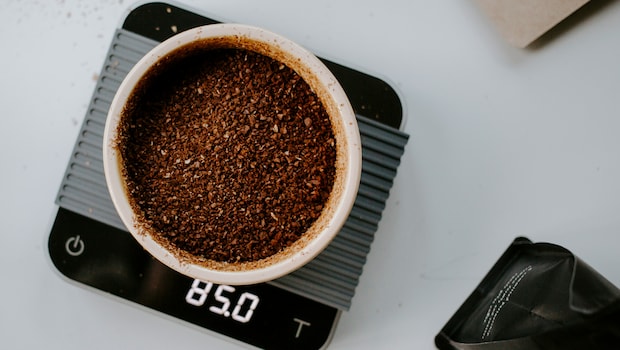
This might sound excessive but it is how every good barista works, and it is the fastest route to consistency. The standard ratio for most brew methods is 1:15 to 1:17, meaning one gram of coffee for every 15 to 17 ml of water. For a 250 ml cup, that is roughly 15 to 17 grams of coffee.
A kitchen scale costs 300 to 500 rupees and eliminates the guesswork completely. Too much coffee and the cup is overpowering and sometimes astringent. Too little and it tastes like warm brown water. Once you find your preferred ratio, you can go back to eyeballing it if you like, but measuring for a week or two will recalibrate your instincts quickly and you will stop wondering why the cup tastes different every day.
Cafe consistency comes almost entirely from this kind of disciplined repetition. The barista making your coffee is measuring, timing, and adjusting constantly. Doing the same at home, even roughly, closes the gap significantly.
Tip 6: Store Your Coffee Properly
Coffee's enemies are air, moisture, heat, and light. The original tin or paper bag is fine for short-term storage if sealed, but once opened, use a small airtight container at room temperature, away from the stove and sunlight. Avoid the fridge or freezer unless storing a large quantity for weeks, as temperature changes cause condensation, ruining the beans. A small ceramic or stainless steel canister with a proper lid is affordable and keeps coffee fresh for weeks. Buy smaller quantities more frequently; a 250g bag used in three weeks tastes better than a 500g bag over two months.
Also Read: 5 Iced Tea Recipes You Need To Brew This Summer
The Bigger Picture
The Indian coffee market has grown dramatically over the last decade, and with it, access to genuinely excellent beans, equipment, and knowledge. Getting a great cup at home is more achievable now than it has ever been, and the barriers are mostly habits rather than hardware. Fresh beans, the right grind, correct water temperature, a simple brew method, a little consistency, and proper storage: these six things will change your morning cup without requiring a single expensive machine or a single trip to a cafe. The cafe experience you are chasing has always been more about attention than equipment, and attention costs nothing at all.