



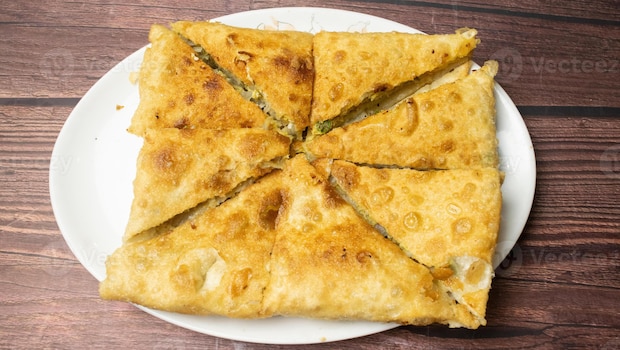
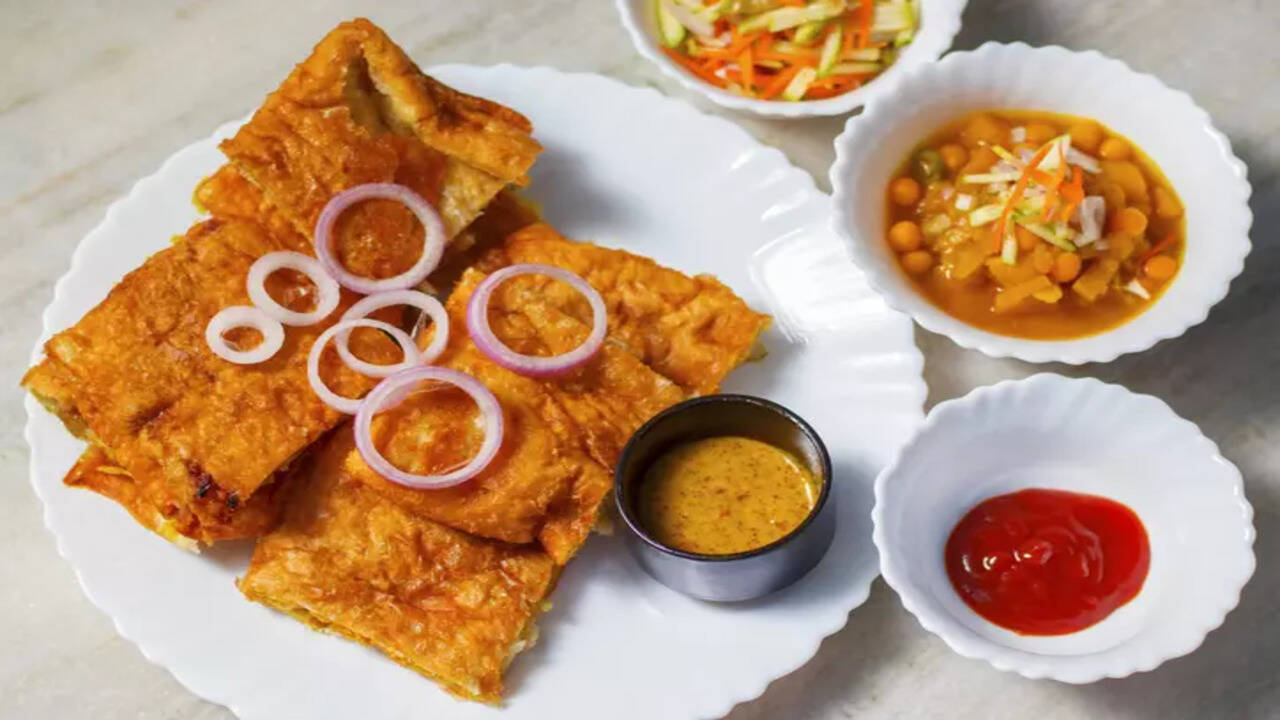
There's a very specific memory most Bengalis carry somewhere deep: a curtained cubicle in a North Kolkata cabin restaurant, wooden tables, kerosene stoves, and a rectangular golden parcel arriving on a cracked plate. Inside that parcel? Spiced keema and egg, trapped between layers of flaky maida dough, deep-fried to a crispy, puffed-up dream. That's Mughlai Paratha. Or Moglai Porota, as every self-respecting Bengali insists on calling it. For the rest of India, the name conjures something vaguely royal. For Kolkata, it's just Tuesday breakfast. This dish has a 400-year-old story that begins in Emperor Jahangir's imperial kitchen, travels through the Mughal courts of Murshidabad and Dhaka, finds its way to Kolkata's iconic cabin restaurants, and eventually becomes one of India's most beloved street foods. The genius of the dish is its folding technique: thin dough rolled into a large rectangle, stuffed in the centre, folded into an envelope, then fried until the outside shatters and the inside stays soft and fragrant. Once you understand the base dough and the folding method, the variations are limitless. Here are the best ones to try at home.
Also Read: 7 Unbelievably Easy Sandwich Spreads You Can Make In Under 10 Minutes
The History: From Jahangir's Kitchen to Kolkata's Streets

The story goes like this. Chef Adil Hafiz Usman, cook to Emperor Jahangir, faced a challenge. The emperor was bored with regular keema paratha. He gave Usman ten days to come up with something new. Usman's solution? He cracked an egg into the keema filling. Jahangir loved it so much he rewarded the chef generously. Usman's son carried the recipe back to Burdwan, his descendants brought it to Kolkata, and when Kolkata became the capital of Bengal Presidency under British rule, the recipe found its forever home.
The cabin restaurants of North Kolkata, those old establishments with curtained cubicles designed to give privacy to women and young couples in a conservative society, became the temples of Moglai Porota. Anadi's Cabin, a 94-year-old institution, made the dish legendary. The street food version followed, becoming inseparable from Kolkata's food identity.
The dish's ancestry might actually trace back further, to Turkish gözleme (spiced meat-stuffed flatbread) or Yemeni murtabak. Both are the same concept: dough, meat filling, egg, fold, fry. The Mughal courts were international spaces, and culinary ideas travelled with the people. Whatever the origin, what Bengal did with it became something entirely its own.
The Base Dough: Get This Right First
All Mughlai Paratha variations share the same foundation. Master this dough, and you're 50% done.
Ingredients (Makes 4-5 parathas):
- 2 cups maida (all-purpose flour)
- ¾ teaspoon salt
- ½ teaspoon sugar
- ⅛ teaspoon baking soda
- 2 tablespoons oil
- Water as needed (roughly ¾ cup)
Method:
- Sieve maida into a large bowl. Add salt, sugar, and baking soda. Mix dry ingredients well.
- Add oil and rub it in with fingertips until the mixture becomes crumbly.
- Add water gradually, kneading until you get a soft, smooth dough. It should be softer than regular roti dough.
- Cover with a damp cloth. Rest for at least 30 minutes.
Why baking soda? It creates a slight lift, giving that characteristic layered, flaky texture you see in good Moglai Porota.
Why maida over atta? Traditionally, maida is used because its lower protein content makes the dough more pliable and creates crispier, flakier layers when fried. Atta works too, but gives denser results.
Variation 1: Classic Kolkata Egg and Keema (The Original)
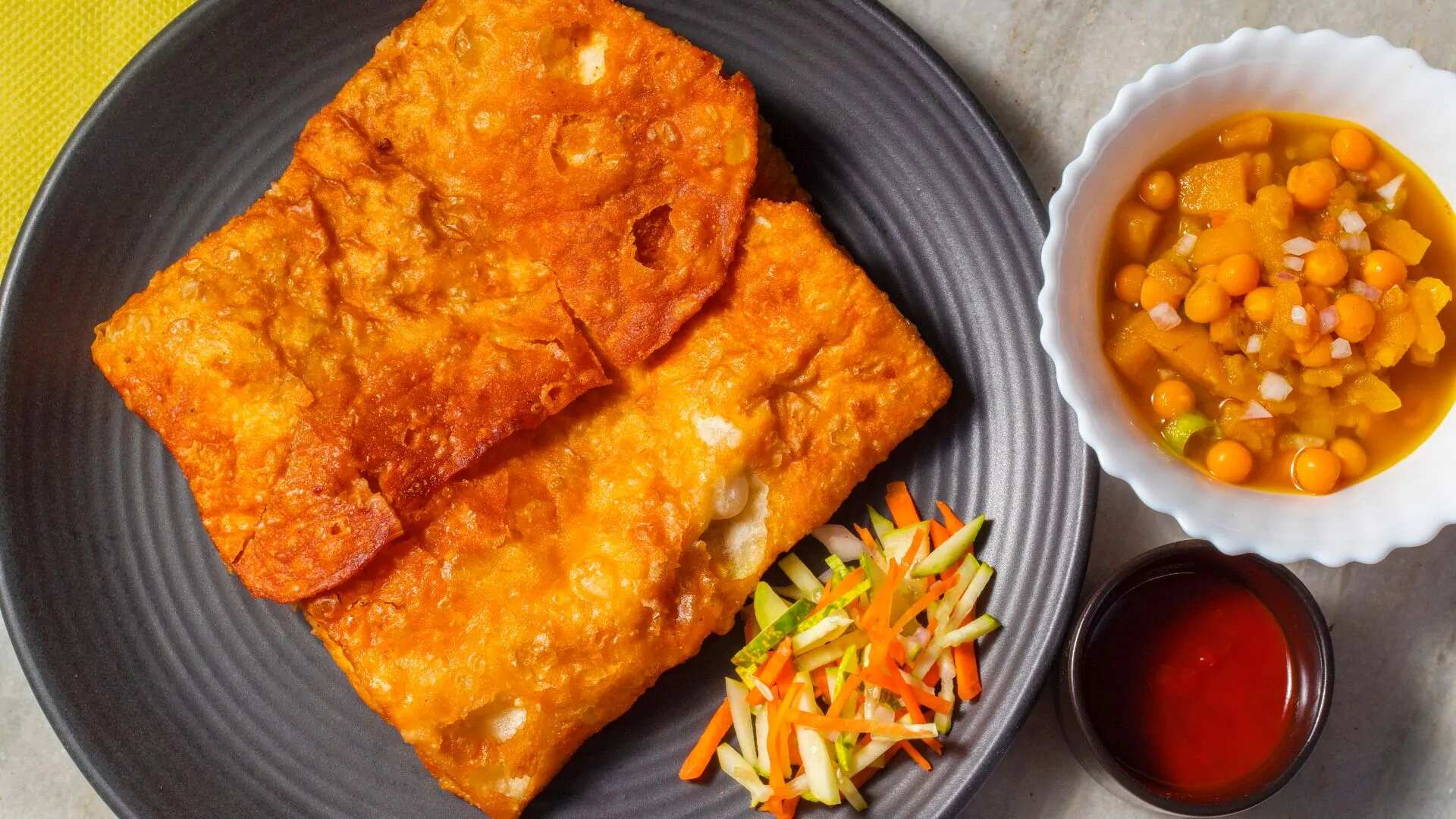
This is the one that started everything. Spiced minced meat and beaten egg sealed inside crispy dough. The egg cooking inside the parcel while it fries is what makes this special; the filling sets into a custardy, spiced interior.
Filling Ingredients:
- 150g chicken or mutton keema
- 1 egg per paratha
- 1 small onion, finely chopped
- 1 teaspoon ginger-garlic paste
- 1 green chilli, chopped
- ½ teaspoon cumin powder
- ½ teaspoon garam masala
- ¼ teaspoon red chilli powder
- 2 tablespoons fresh coriander, chopped
- Salt to taste
- 1 tablespoon oil
Method:
Cook the Keema: Heat oil in a pan. Sauté onions until golden. Add ginger-garlic paste and chilli. Cook 2 minutes. Add keema and all spices. Cook on medium heat, stirring, until meat is done and dry (not wet). Add coriander. Cool completely.
Assemble: Roll a dough portion on an oiled surface into a thin rectangle (roughly 30x40 cm). Place 3 tablespoons of cooked keema in the centre. Crack one egg directly over the keema. With your fingers, gently mix them slightly. Fold the longer sides of the dough into the centre first, overlapping. Then fold the shorter sides in to create a rectangular parcel. Press edges firmly to seal.
Fry: Heat enough oil in a kadhai for shallow or deep frying. Gently slide the parcel in, seam-side down. Fry on medium heat. Turn carefully when the bottom is golden brown. Continue until both sides are deep golden and the dough feels crisp. Drain on paper towels.
Serve: Cut into four squares. Serve with aloo tarkari, cucumber-onion salad, and tomato ketchup.
Variation 2: Pure Egg Mughlai Paratha (The Weekday Quick Fix)

No keema required. Just egg, onion, green chilli, and coriander. Quicker to make, equally satisfying. This is what most Kolkata street stalls serve today.
Filling Ingredients (per paratha):
- 2 eggs
- 1 tablespoon finely chopped onion
- 1 green chilli, finely chopped
- Salt to taste
- Fresh coriander, chopped
- Pinch of black pepper
Method:
Beat eggs with all remaining filling ingredients until frothy. Roll the dough thin. Pour the egg mixture in the centre of the dough. Fold into a parcel immediately; the liquid egg is harder to work with, so work quickly. Seal edges well with water or extra dough pressed down. Fry on medium-low heat so the egg inside cooks through without burning the exterior.
Pro Tip: For extra crispness, brush the outside of the parcel with egg yolk before frying.
Variation 3: Paneer and Potato Mughlai Paratha (The Vegetarian Crowd-Pleaser)
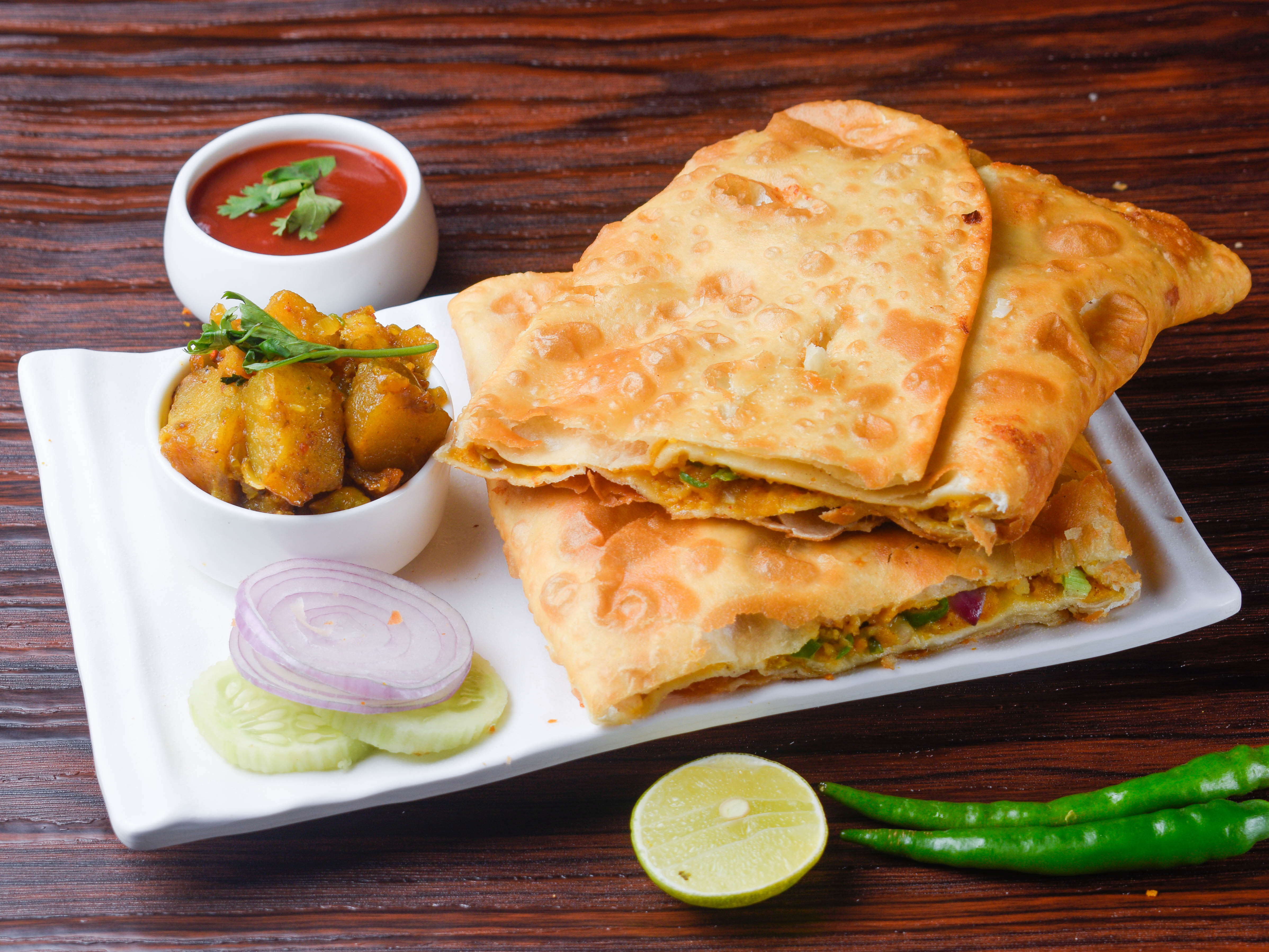
For those who don't eat eggs or meat, this version delivers all the flavour and texture without compromise. The paneer brings creaminess and protein. Potato adds body. Together, they make a filling that's satisfying and genuinely delicious.
Filling Ingredients:
- 150g paneer, crumbled
- 2 medium potatoes, boiled and mashed
- 1 small onion, finely chopped
- 1 green chilli, chopped
- ½ teaspoon cumin seeds
- ½ teaspoon garam masala
- ¼ teaspoon turmeric
- ¼ teaspoon amchur (dry mango powder)
- Salt to taste
- Fresh coriander
Method:
Heat 1 tablespoon of oil. Add cumin seeds. Once they splutter, add onions and green chilli. Cook until translucent. Add spices, cook 30 seconds. Add mashed potato and crumbled paneer. Mix well. Cook 2 minutes. Add coriander and amchur. Cool completely. Assemble and fry as per the base method.
Also Read: BITS Goa Gets New Protein Menu With Chicken At Rs 90, Boiled Eggs At Rs 20
Variation 4: Chicken Tikka Mughlai Paratha (The Party Version)
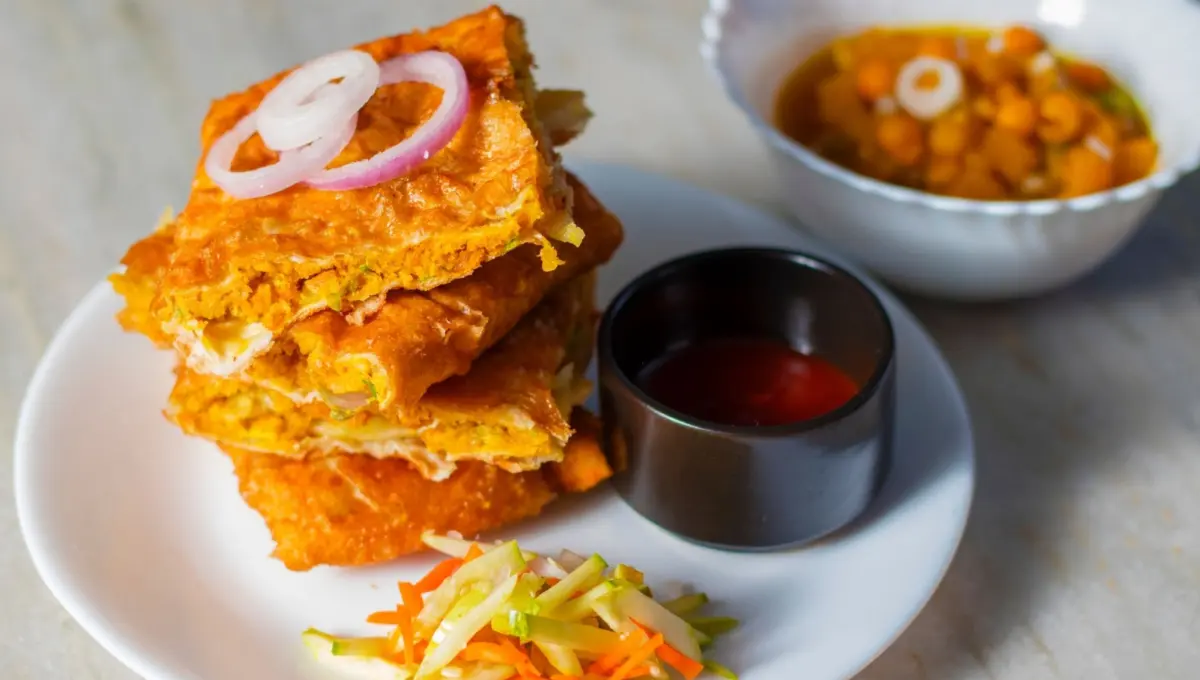
Take leftover chicken tikka from last night's dinner and fold it into Mughlai Paratha dough. The smoky, spiced tikka filling with the crispy fried exterior is genuinely incredible. This is the version you make when guests are coming, and you want to impress.
Filling Ingredients:
- 200g cooked chicken tikka pieces, shredded finely
- 1 small onion, finely chopped
- ½ teaspoon chaat masala
- 1 teaspoon lemon juice
- Fresh coriander and mint, chopped
- 1 egg (optional but recommended)
Method:
Mix all filling ingredients. If using egg, beat it separately and add to filling just before assembling. Roll, fill, fold, fry as usual. The chaat masala and lemon lift the smoky flavour beautifully.
Variation 5: Mushroom and Cheese Mughlai Paratha (The Fusion Version)
This isn't traditional. Not even slightly. But it's absolutely delicious and works because mushrooms have natural umami that fills the same savoury role as keema.
Filling Ingredients:
- 200g mushrooms, finely chopped
- ½ cup grated processed cheese or mozzarella
- 1 small onion, chopped
- 2 cloves garlic, minced
- ½ teaspoon mixed herbs
- ½ teaspoon black pepper
- Salt to taste
Method:
Sauté garlic and onion until soft. Add mushrooms, cook on high heat until all moisture evaporates (crucial, wet filling tears dough). Add herbs, pepper, and salt. Cool completely. Mix in cheese. Assemble and shallow fry. The cheese melts inside, creating a gooey interior that contrasts beautifully with the crispy exterior.
Pro Tips for Perfect Mughlai Paratha

- Roll Thin: The dough should be almost translucent thin. Thick dough means the centre won't cook properly.
- Oil Your Surface: Don't flour your rolling surface. Use oil. Flour makes the dough stiff and harder to fold without tearing.
- Cool Your Filling Completely: Hot filling creates steam inside the parcel that tears the dough during frying. Always cool first.
- Seal Firmly: Press the edges down hard. Run a finger dipped in water along the seam before folding. Unsealed parathas burst in oil.
- Medium Heat Always: High heat burns the outside before the inside cooks. Low heat makes them greasy. Medium heat is the only way.
- Don't Crowd: Fry one or a maximum of two at a time. Crowding drops the oil temperature, making them absorb more oil.
- Dry Keema is Non-Negotiable: Wet keema tears dough. Cook your meat filling completely dry before using.
- Serve Immediately: Mughlai Paratha gets soggy as it cools. Cut and serve straight from the oil.
What to Serve With
The Traditional Kolkata Way:
- Aloo tarkari (spiced potato curry, slightly runny)
- Cucumber, onion, and beetroot salad
- Tomato ketchup
Modern Pairings:
- Mint-coriander chutney
- Raita
- Pickled onions
Also Read: US Ambassador Sergio Gor Gorges On Dosa In Bengaluru In Viral Pictures
The Bengali Classic
Mughlai Paratha is one of those dishes where technique matters more than ingredients. The thin rolling, the careful folding, the medium heat frying, these aren't fussy steps; they're the difference between a soggy flour parcel and a golden, crispy, layered masterpiece. Once you've made the classic egg and keema version and understood how it works, the variations feel natural. The paneer-potato version for vegetarian households. The chicken tikka version for leftovers. The mushroom-cheese version for when you're feeling adventurous. Each one uses the same dough, the same fold, the same fry. Just different stories inside that golden envelope. Emperor Jahangir's bored cook Usman, started something 400 years ago that's still being recreated in homes and street stalls from Kolkata to Bangalore, Dhaka to Delhi. When you fold your first Moglai Porota and hear that sizzle as it hits the oil, you'll understand why this dish refuses to be forgotten.