




Most things that exist for a century are considered old. A dish that has survived for a thousand years, still being made, still being eaten, still recognisable as itself, is something else entirely. Food is one of the most fragile forms of human culture: it leaves no ruins, no monuments, no inscriptions. It survives only if people keep making it, which means that every dish still being cooked today from an ancient tradition has beaten extraordinary odds. Empires fell, languages died, entire civilisations were swallowed by history, and yet these ten dishes endured. They survived because they were too good, too simple, too necessary, or too deeply embedded in ritual and identity to let go.
Also Read: 6 Creative Ways To Use Podi Masala Beyond Idli And Dosa
Here Are 12 Of The Oldest Continuously Prepared Foods
1. Flatbread: The Fertile Crescent and the Indus Valley, circa 6,000 BCE
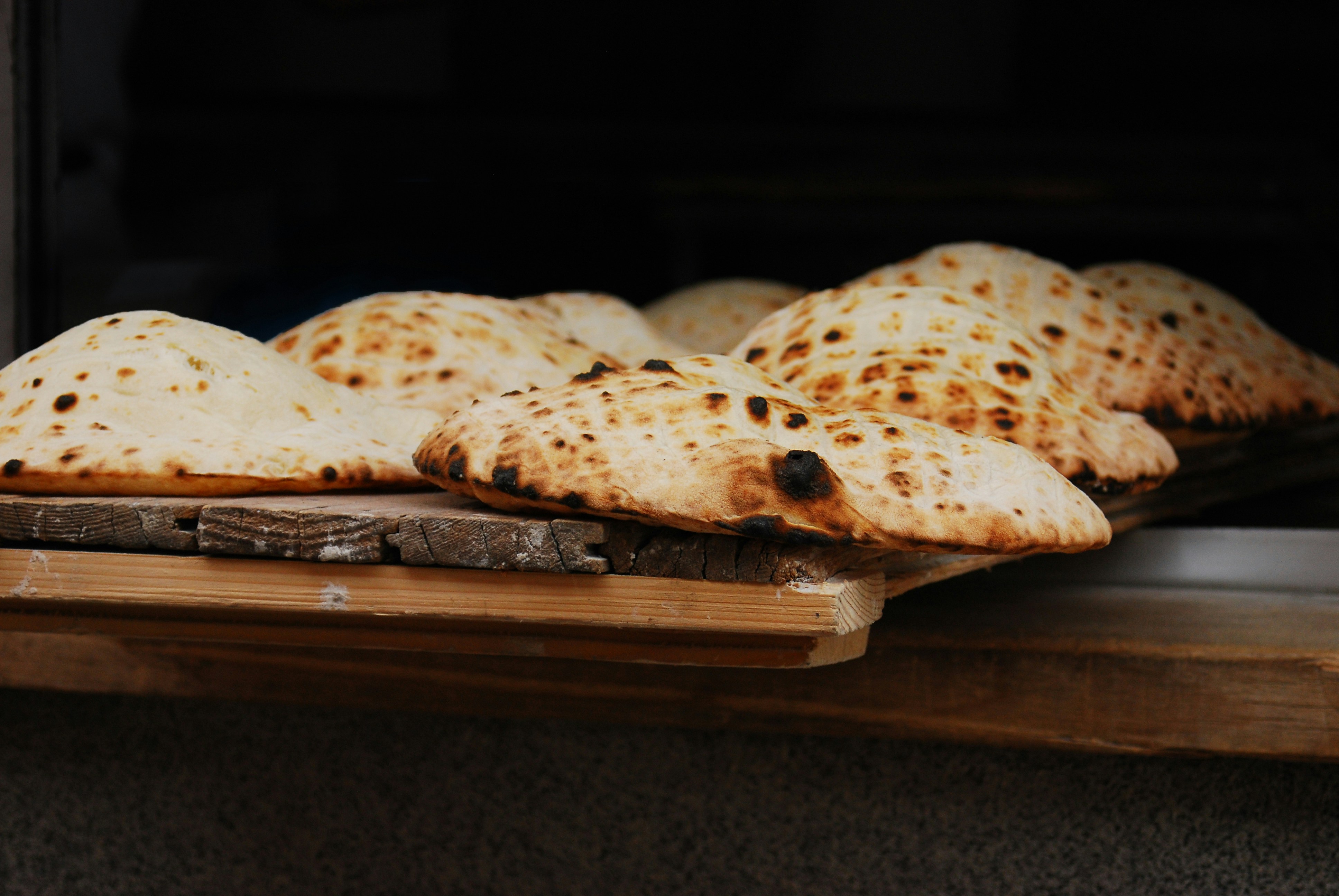
Before leavened bread, before yeast, before even the concept of a recipe, there was flatbread. A paste of ground grain mixed with water, pressed thin, and cooked directly on a hot stone or in the embers of a fire. Archaeological evidence from ancient Egypt, the Levant, and the Indus Valley confirms flatbreads as one of humanity's oldest deliberately prepared foods. A 14,400-year-old charred flatbread was discovered at a Natufian archaeological site in Jordan, pushing the origins even further back than previously thought.
What makes this dish's survival remarkable is not its age but its near-perfect genetic consistency across cultures. Lavash, injera, roti, chapati, tortilla, pita, all are direct descendants of that same Neolithic impulse. The technique has barely changed in eight thousand years. Only the grain, the fire, and the name vary by latitude. When an Indian family makes roti for dinner tonight, they are using the same fundamental logic that a Neolithic cook used near the Euphrates River millennia ago.
2. Lentil Stew: Ancient Middle East, circa 8,000 BCE
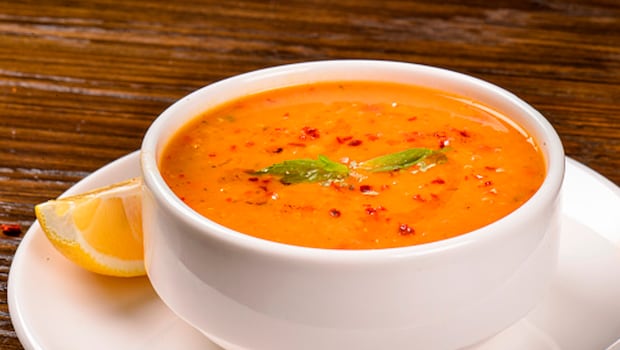
Photo Credit: iStock
Lentils are among the oldest cultivated crops on earth, domesticated in the Fertile Crescent during the Neolithic period alongside wheat and barley. Evidence of their consumption dates back to archaeological sites in Syria and Turkey, and the combination of lentils simmered with water, salt, and aromatics needs no invention: it emerges naturally from the act of boiling the most available legume over fire.
The Book of Genesis references a "red pottage" of lentils used as a bargaining chip for a birthright. Ancient Egyptian texts describe lentil preparations. The masoor dal, moong dal, and chana dal that form the backbone of Indian cooking every day are part of a continuous culinary tradition stretching back ten thousand years. For Indian cooks, the realisation that a dish as ordinary and daily as dal is among the oldest foods in human history is a particular kind of satisfaction.
3. Kheer: Ancient India, circa 400 BCE
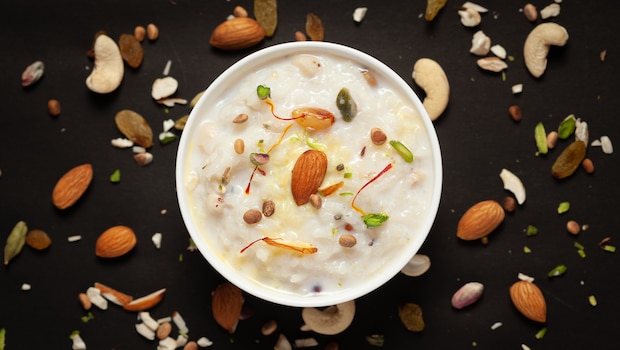
Photo Credit: iStock
Kheer deserves a special place on this list both because of its age and because of how close it sits to Indian cultural life. The combination of rice simmered in milk with sugar and spices appears in the Mahabharata and in early Sanskrit writings as a sacred offering, not everyday food but ceremonial food, prepared for temples and given as prasad. The combination of milk, rice, and sweetener was considered not just nourishing but spiritually significant.
From ancient India, the dish spread westward. In Persia, it became sheer berenj, in the Arab world ruz bi halib, in medieval Europe rice pudding. Each culture adjusted the sweetener (jaggery, honey, sugar), the spice (cardamom, saffron, cinnamon), and the texture (thick or thin), but the foundation never changed. A dish born as a ritual offering to the gods became a household comfort food across three continents, and two and a half thousand years later, it is still appearing in copper deg at pujas and family celebrations across India.
4. Congee: Ancient China, circa 1,000 BCE

Photo Credit: iStock
Congee, rice simmered in a large quantity of water until it breaks down into a thick, creamy porridge, appears in Chinese texts dating to the Zhou Dynasty around 1,000 BCE. Its appeal is entirely practical: it stretches a small amount of grain to feed more people, it is easy on a sick stomach, and it accepts whatever toppings or accompaniments are available. This versatility is why it never died.
From Guangdong to Tokyo to Bangkok, congee and its cousins, kayu in Japan, jook in Hong Kong, chao in Vietnam, and the South Indian kanji, are eaten daily. In India, rice kanji has been a recovery food and comfort dish for generations, particularly in Kerala and Tamil Nadu. The logic is identical everywhere: water, rice, time, simplicity. No dish better illustrates how a survival food becomes a comfort food across millennia.
5. Garum: Ancient Rome, circa 4th Century BCE
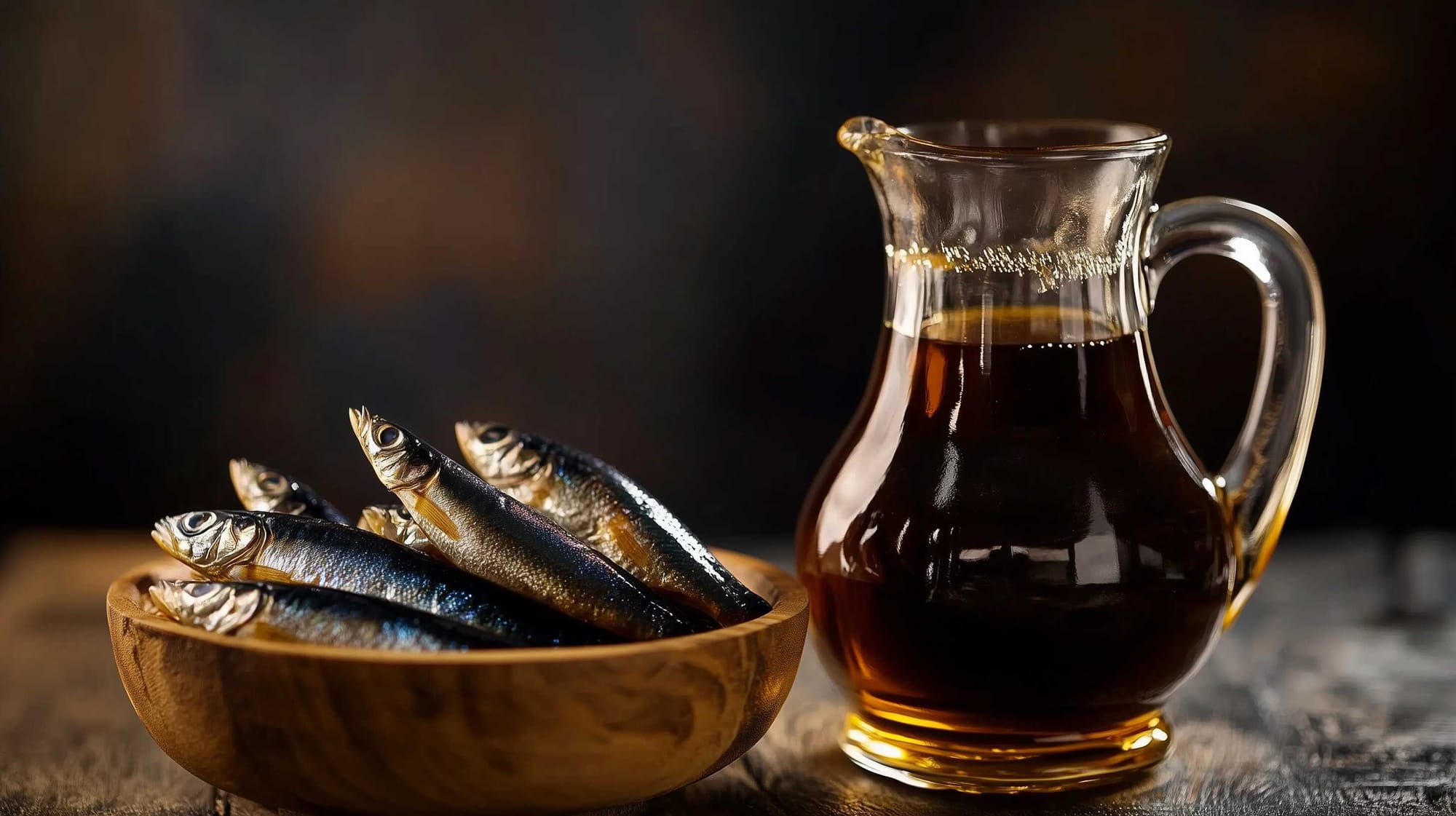
Garum is arguably the most globally influential condiment that almost nobody has heard of. It was the fermented fish sauce that functioned as the salt, the umami, and the seasoning backbone of Roman cuisine, present in nearly every dish, from street food to aristocratic banquets. Made by layering salted fish (typically mackerel or anchovies) and allowing them to ferment for weeks or months in large clay jars, it produced a pungent, amber liquid of extraordinary depth.
Garum did not disappear after Rome fell. It migrated eastward and southward, surviving in the fish sauces of Southeast Asia (nam pla in Thailand, prahok in Cambodia, fish sauce in Vietnam), in Italian colatura di alici, and in the fermented fish condiments of Scandinavia. The biochemistry is identical across all of them. The name changed, but the technique and the flavour principle never did. When fish sauce arrives at your Thai restaurant, you are tasting something with direct Roman ancestry.
6. Tamales: Mesoamerica, circa 8,000 to 5,000 BCE
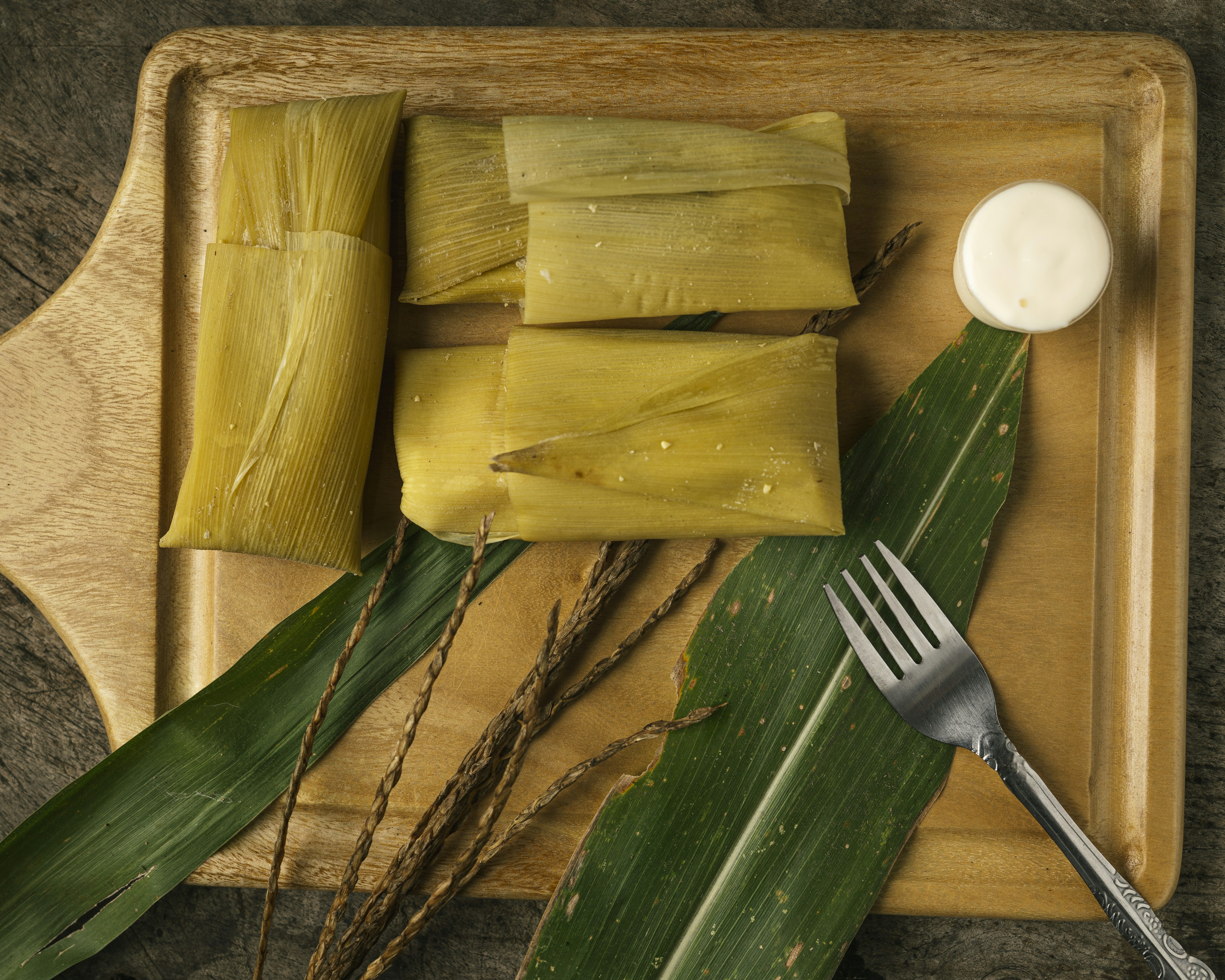
Long before the Spanish arrived in the Americas, Aztec, Maya, and Olmec civilisations were making tamales: masa dough wrapped around a filling, then steamed or cooked in corn husks or banana leaves. Archaeological evidence and Spanish colonial records confirm tamales as a portable, practical food for warriors, travellers, and ceremonies. Some sources place the origins as far back as 8,000 BCE, making tamales a candidate for the oldest prepared food on this list.
The structure has remained unchanged for millennia: masa, filling, leaf, steam. Today, tamale recipes vary enormously across Mexico, Guatemala, Colombia, and the American Southwest, but the technique is the same. A technology so effective it outlasted the civilisations that created it.
Also Read: Raw Mango vs Ripe Mango: What To Cook With Each Fruit
7. Noodles: Ancient China, circa 2,000 BCE
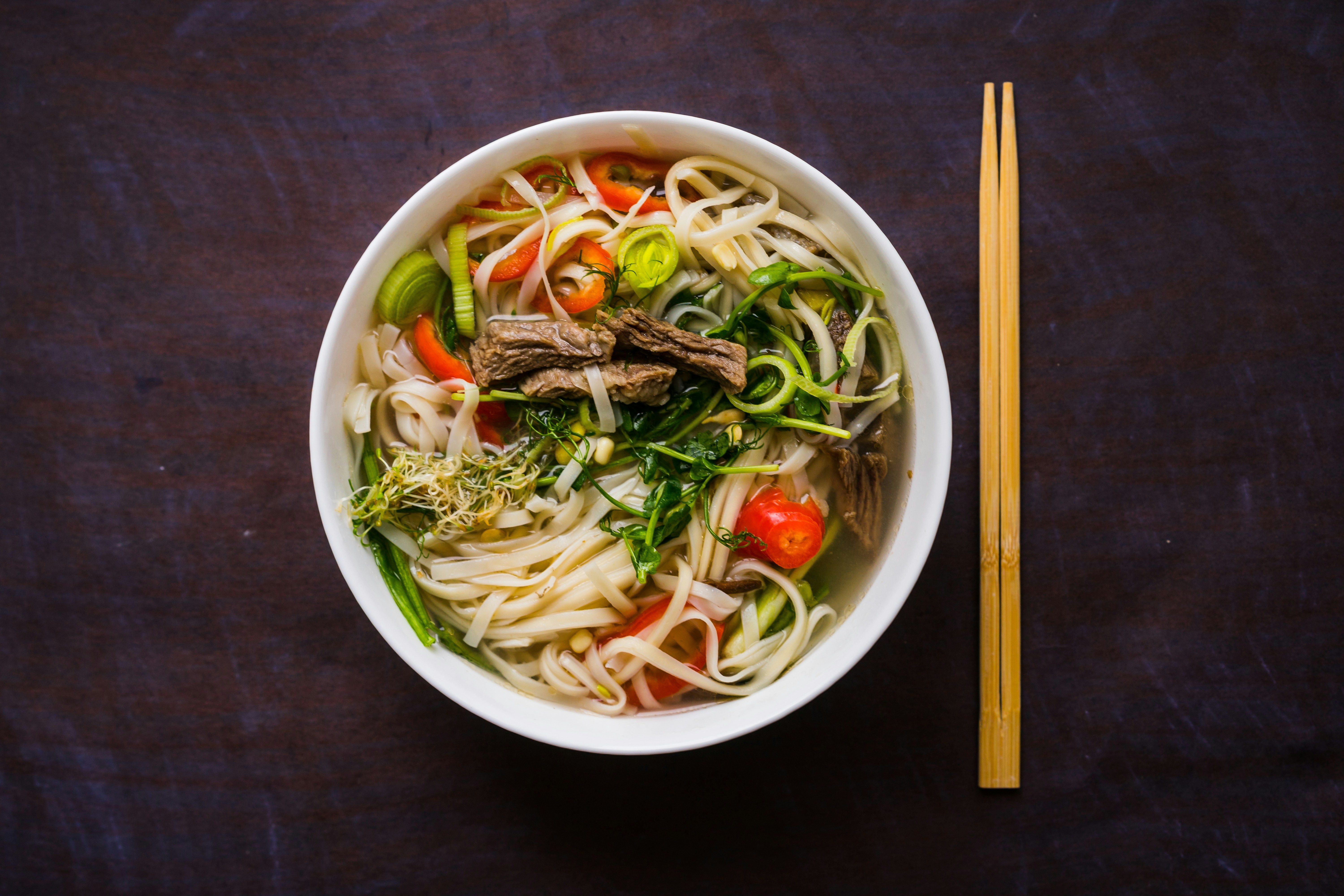
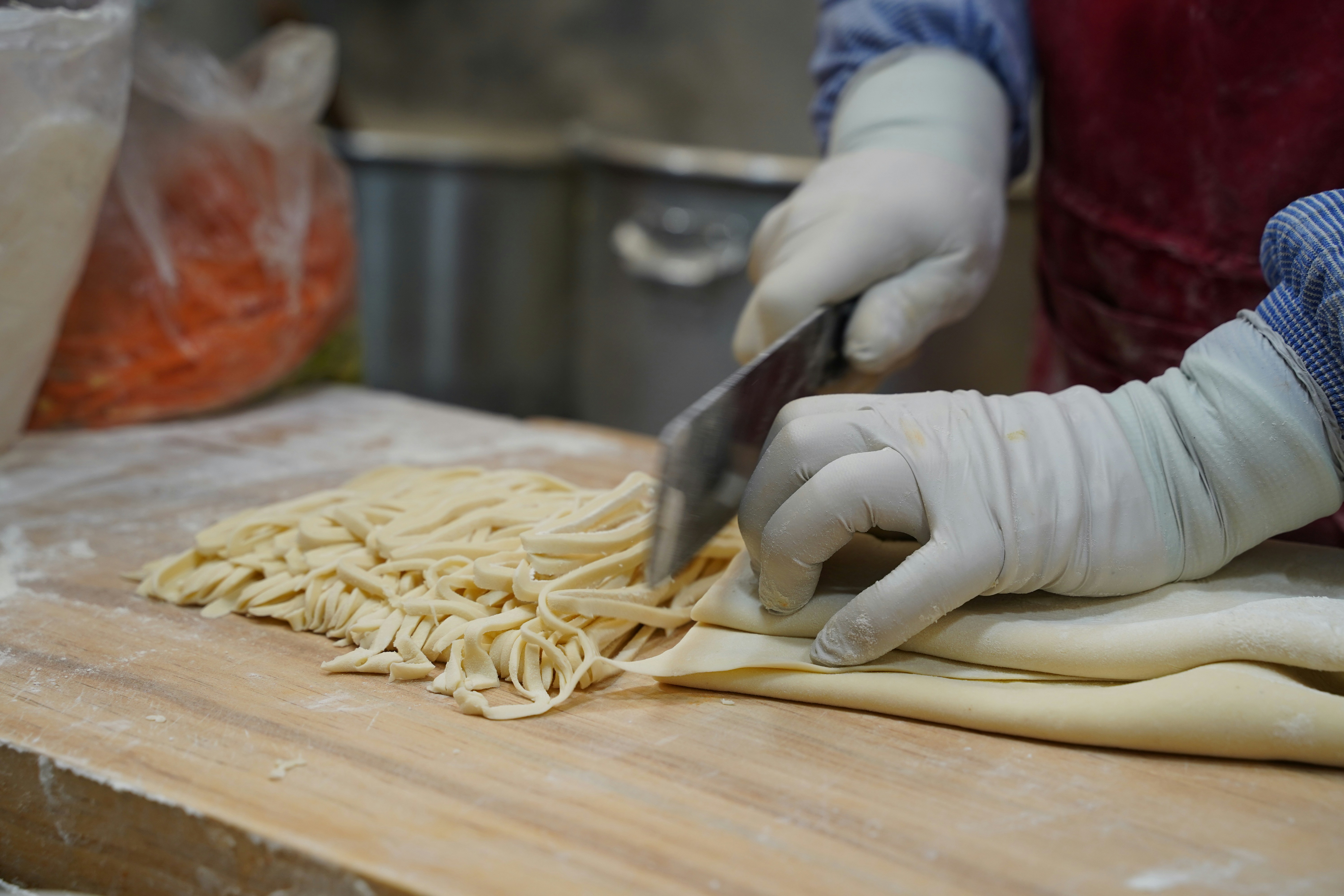
The oldest confirmed bowl of noodles in history was found at the Lajia archaeological site in northwestern China in 2005, a 4,000-year-old serving of millet noodles, remarkably preserved under a bowl that had been buried by an ancient flood. But Chinese textual references to noodles go back even further, and the debate about whether noodles originated in China, Central Asia, or the Arab world has occupied food historians for decades.
What is beyond debate is what happened next. Once the idea of extruding, pulling, or cutting dough into long strands was established, it spread across the entire world and spawned one of the most diverse families of food in culinary history. In China alone, the descendants include hand-pulled lamian, knife-cut dao xiao mian, thin vermicelli, thick rice noodles, and hundreds of regional variations. As the technique travelled westward along trade routes, it became the soba and udon of Japan, the pho noodles of Vietnam, the rice noodles of Southeast Asia, and the pasta of Italy.
8. Moretum: Ancient Rome, 1st Century BCE

Moretum is a pounded herb and cheese paste described in a Latin poem from the circle of Virgil, composed around 40 BCE. Made by crushing garlic, fresh herbs, salt, olive oil, and aged cheese together in a mortar until smooth, it was spread on bread and eaten as a working person's breakfast. The poem describes a farmer making it in precise detail: grinding, tasting, adjusting, and eating.
Moretum is the direct ancestor of pesto. The structure is identical, herbs, cheese, oil, garlic, ground together, and the Genoese version that became internationally famous is simply a more refined descendant of this Roman farmhouse preparation. When you order pesto pasta, you are eating something whose basic logic was documented over two thousand years ago.
9. Vinegar: Ancient Babylon, circa 3,000 BCE

Photo Credit: Freepik
Vinegar is one of the oldest condiments and preservatives in human history. References to it appear in Babylonian texts from around 3,000 BCE, and ancient Egyptian jars confirmed to have contained vinegar have been discovered by archaeologists. The Romans drank diluted vinegar (posca) as a soldier's ration. Medieval European households used it as a preserving medium, a cleaning agent, and a seasoning. In Indian cooking, vinegar appears in Goan cuisine (heavily influenced by Portuguese colonialism) and in the North Indian tradition of sirka.
The production principle has not changed: alcohol ferments into acetic acid with time and exposure to bacteria. The sophistication is in what you start with (wine, rice, apple cider, sugarcane) and how you control the process. But the fundamental transformation has been happening naturally for as long as there has been fermentation, which is to say as long as there has been agriculture.
10. Roast Meat: Prehistoric
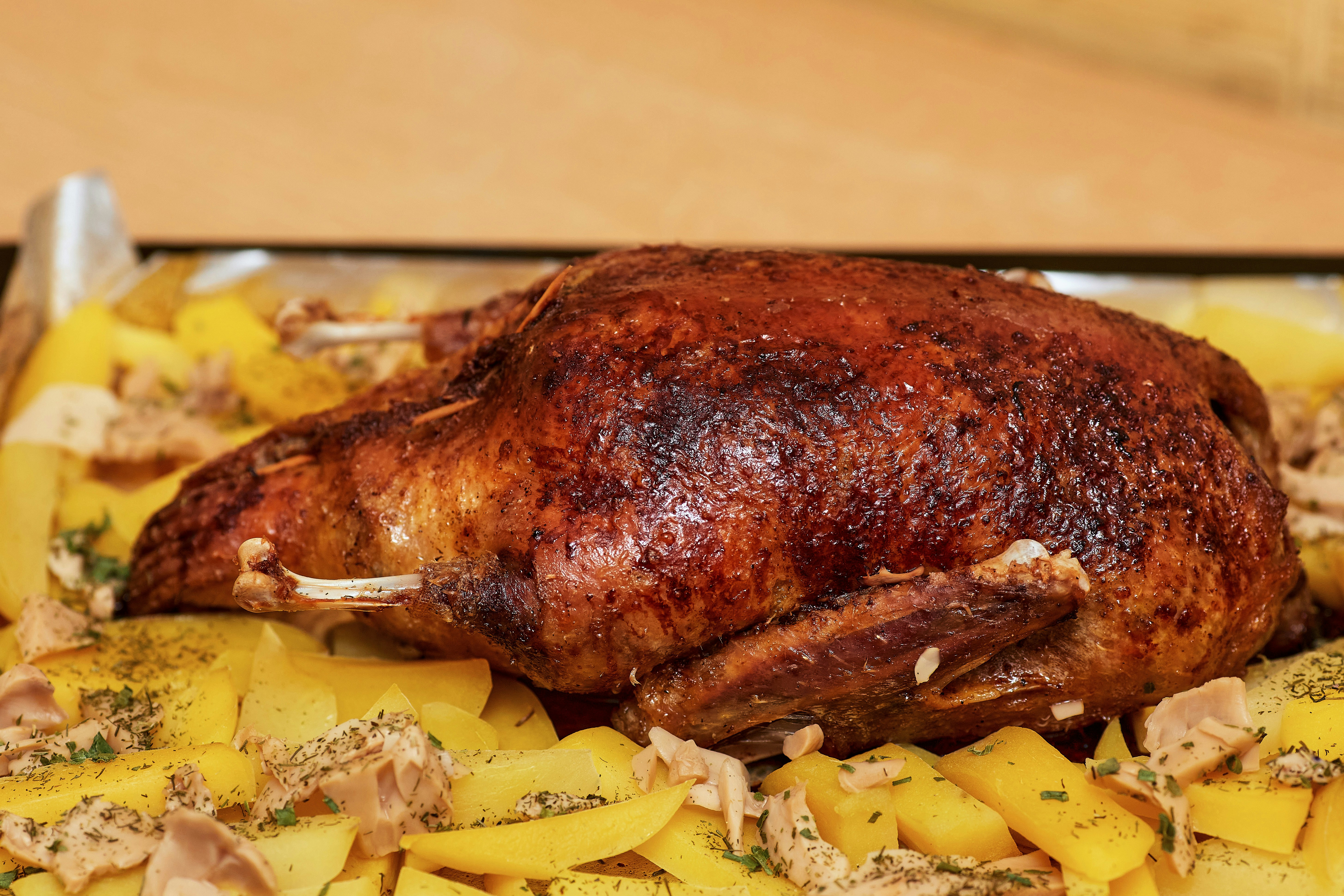
The act of roasting meat over an open flame predates recorded history and predates Homo sapiens entirely, according to anthropological evidence suggesting controlled fire use by earlier human species. What elevates this from mere survival behaviour to a dish is the consistent application of technique: managing heat, turning the meat, applying salt or herbs, resting it before cutting. The ancient Greek Iliad describes roasted meats at feasts in considerable detail. Roman texts, medieval manuscripts, and 17th-century English cookbooks all record the same essential method.
Tandoori cooking in India, meat cooked in a clay oven at high heat, belongs to the same ancient family. The logic of applying intense, direct heat to meat to create a charred exterior and juicy interior is one of the oldest and most universally satisfying cooking techniques in human history. The backyard barbecue, the tandoor, and the wood-fired grill are all very elaborate versions of the same original campfire.
11. Sushi: Ancient Japan, circa 8th Century CE
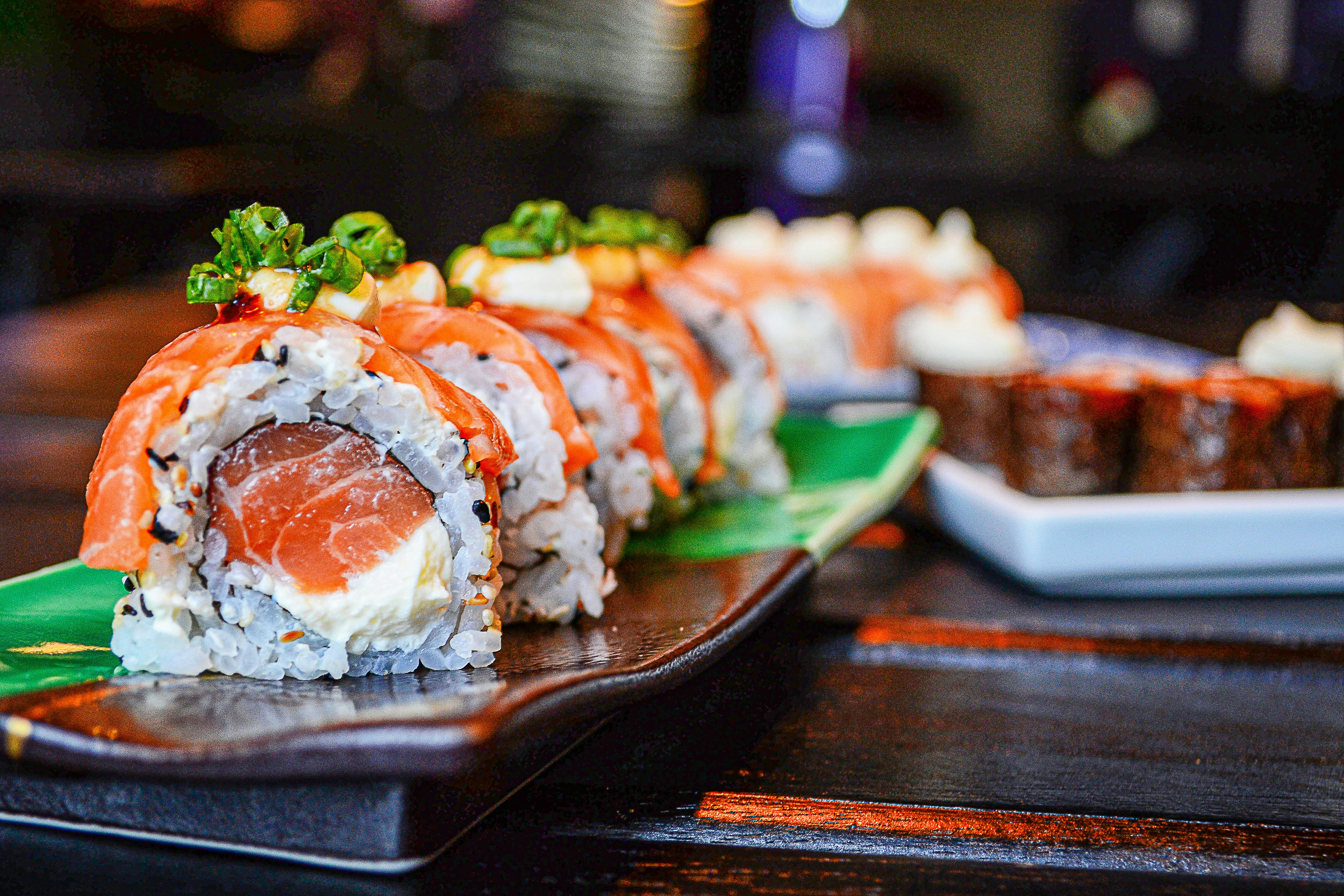
Sushi, in its earliest form, was not the elegant bite of vinegared rice and raw fish we know today but rather a preservation method called narezushi. Fish was salted and packed with fermented rice to keep it edible for months, and the rice itself was discarded. Historical records from the Nara period (8th century CE) describe this fermentation practice along river valleys and coastal regions of Japan. What began as a necessity evolved into a refinement as cooks learned to season the rice with vinegar rather than ferment it fully, giving rise to hayazushi, a preparation that could be eaten fresh.
Over centuries, sushi became a reflection of Japanese aesthetics: precise, seasonal, and balanced. Nigiri, maki, and sashimi-adjacent styles emerged during the Edo period, when street vendors served fresh fish over vinegared rice to urban denizens. The logic and appeal of sushi remain unchanged: a union of sea and grain, of preservation and pleasure, that condenses the Japanese philosophy of harmony on a plate.
12. Injera: Ancient Ethiopia, circa 1st Millennium BCE
:max_bytes(150000):strip_icc()/injera-FT-RECIPE0724-b8d1c555932d4dbb8d5662f23422c89b.jpeg?im=FaceCrop,algorithm=dnn,width=620,height=350 "Latest and Breaking News on NDTV")
Injera, the spongy, tangy flatbread of Ethiopia and Eritrea, traces its origins to the highlands where teff, a tiny, drought-resistant grain, has been cultivated for millennia. Archaeologists believe fermented flatbreads resembling injera were already present by the first millennium BCE, their distinctive texture arising from natural fermentation of teff batter. This process produces a slightly sour flavour and a delicate lattice of bubbles, making injera both bread and utensil.
Also Read: This Beginner-Friendly Sourdough Recipe Is Easier Than You Think
Culinarily and socially, injera is inseparable from the stews, wat and shiro that are served atop it. Its structure soaks in spices and sauces, transforming each meal into a communal experience. Though the grain and the culture are Ethiopian, the logic of fermentation and adaptability is universal. Every time injera is made, it continues a rhythm of cooking and sharing that has endured for over two thousand years, turning a simple grain into a living, breathing staple of a nation.
What these 12 dishes share is not just age but a kind of structural genius, a combination of ingredients and technique so well-matched to human taste and human need that no amount of time has been able to improve upon them fundamentally. Dal, flatbread, and kheer have been on Indian tables for millennia because they work perfectly. The next time you cook them, it is worth taking a moment to appreciate that you are part of an unbroken chain of cooks reaching back to a time before cities, before writing, and before most of what we call history even began.