




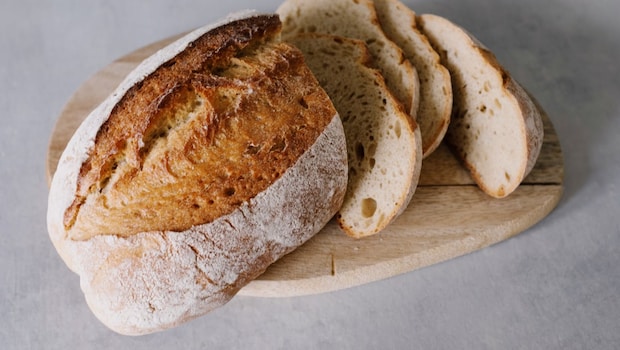
Sourdough bread has become one of those things that costs a significant amount of money in Indian cities right now. A decent artisan loaf in Mumbai or Bengaluru or Delhi will set you back anywhere from Rs 300 to Rs 500, and the good ones, the ones with a proper crust, an open crumb, and that distinctive sour tang, can cost considerably more. There is nothing wrong with supporting the bakeries making them. But if you have ever held one of those loaves, done the mental arithmetic, and thought "I should learn to make this myself," this article is your starting point. Sourdough has a reputation for being difficult and fussy, but with the right approach and the right recipe, a beginner can produce a genuinely good loaf at home. Here is how.
Also Read: Raw Mango Curry: The Summer Lunch That Tastes Like The Season Itself
What Makes Sourdough Different
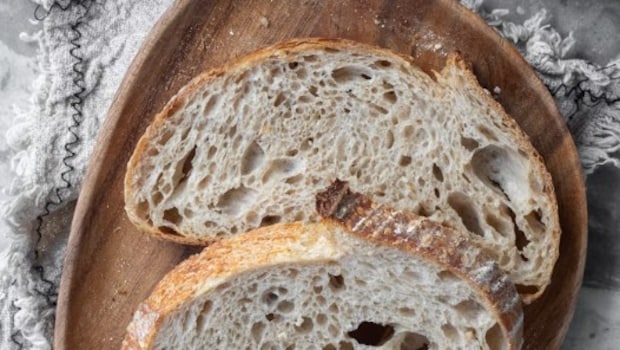
Before the recipe, a brief explanation of what sourdough actually is, because understanding this makes the whole process make more sense.
Regular bread is leavened with commercial yeast, a fast-acting, predictable product that makes dough rise reliably in a couple of hours. Sourdough uses a starter instead: a live culture of wild yeast and lactic acid bacteria that you cultivate yourself from flour and water. The wild yeast provides the rise, and the lactic acid bacteria produce the acidity that gives sourdough its characteristic tangy flavour, its longer shelf life, and the more complex fermentation that makes it easier to digest for many people.
The starter is the foundation of everything. Once you have an active, healthy starter, the bread itself is not particularly complicated. The challenge that stops most beginners is not the baking, but the patience required, particularly for the starter. Indian summers are actually an advantage here: warm weather accelerates fermentation, which means your starter will become active more quickly than it would in a cold kitchen.
Part One: Making Your Starter (Days 1 to 7)
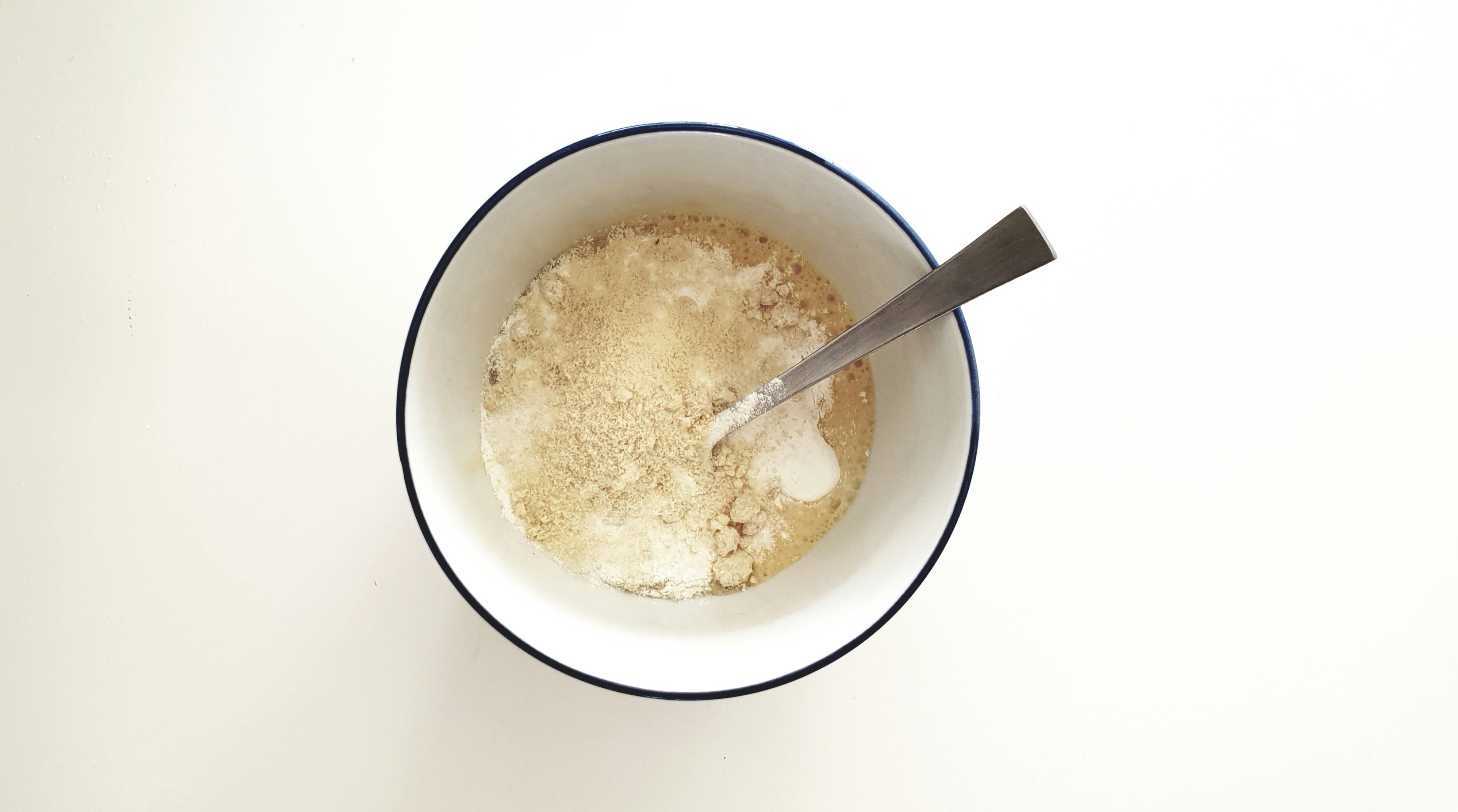
A sourdough starter needs to be made from scratch if you are not getting one from a friend or a bakery. This part takes about seven days but requires only five minutes of attention each day.
What you need:
- Whole wheat flour or plain maida (whole wheat is better for getting the starter going; more wild yeast on the bran)
- Water (filtered or left out overnight to let any chlorine evaporate; tap water with a strong chlorine smell can slow the process)
- A clean glass jar of at least 500ml capacity
- A rubber band to mark the level
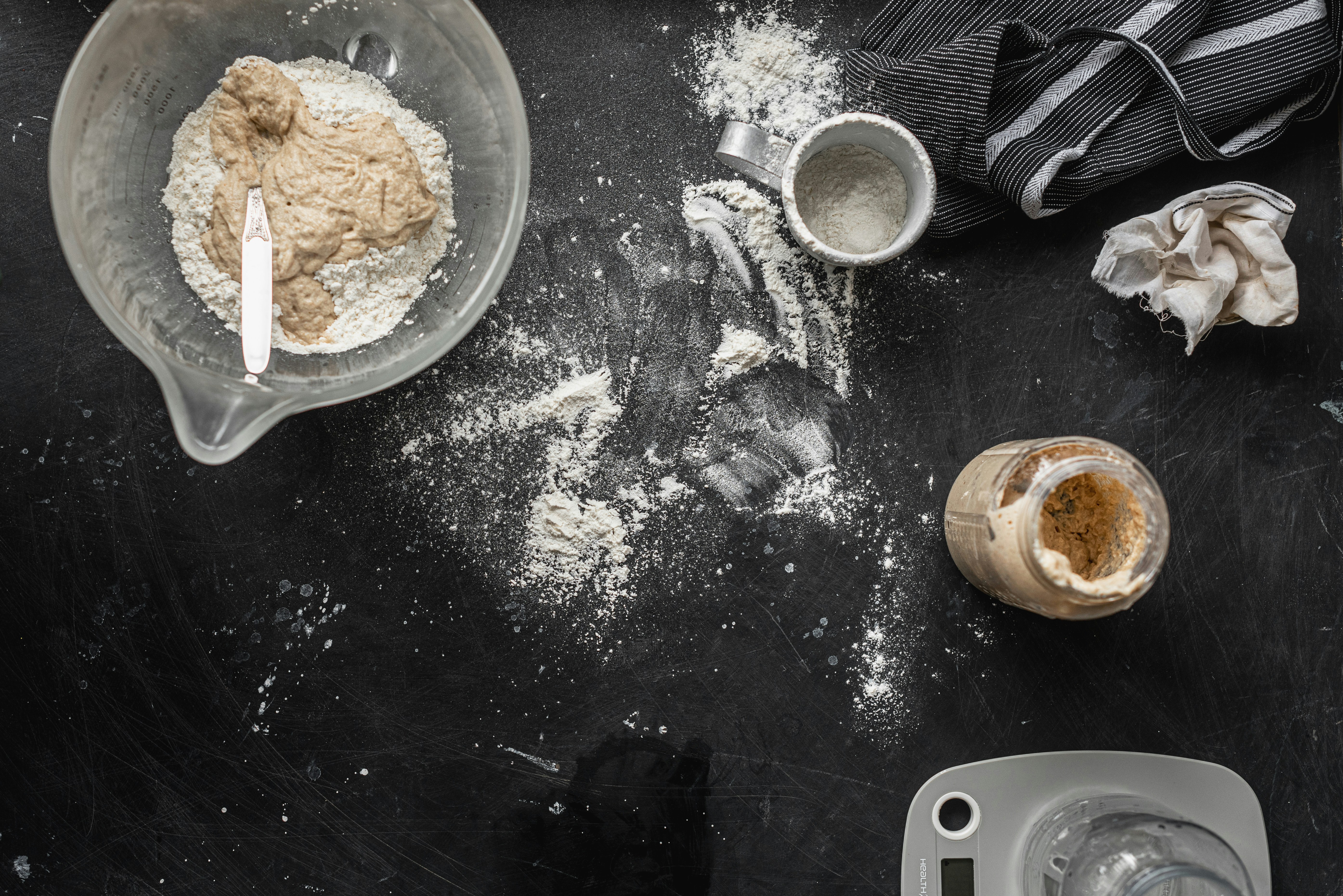
Day 1: Combine 50g flour with 50g water (room temperature) in the jar. Mix until no dry flour remains. Cover loosely with a cloth or a lid left ajar; the culture needs air. Mark the level with the rubber band. Leave at room temperature, ideally somewhere between 25 and 30°C.
Days 2 to 4: Each day, discard half the starter (this is called the discard; do not throw it away, it is useful for other recipes), then feed it with another 50g of flour and 50g of water. Mix well and mark the level. By day two or three, you may see some bubbles. By day four, the starter should be rising noticeably after feeding. In Indian summer heat, this can happen faster.
Days 5 to 7: Continue the same daily feeding. By day five or six, your starter should be reliably doubling in size within four to eight hours of feeding and have a pleasant, slightly yeasty smell. When it is doing this consistently, it is ready to bake with.
How to know it is ready: Drop a small spoonful into a glass of water. If it floats, the starter is active enough to leaven bread. If it sinks, give it another day or two of feeding.
The float test alternative: Look for the starter to be domed on top and full of bubbles throughout. This is the peak of activity and the best time to bake.
Once your starter is established, it can be kept in the fridge and fed once a week. Take it out the night before baking and give it a feed at room temperature to wake it up.
Part Two: The Beginner Sourdough Loaf
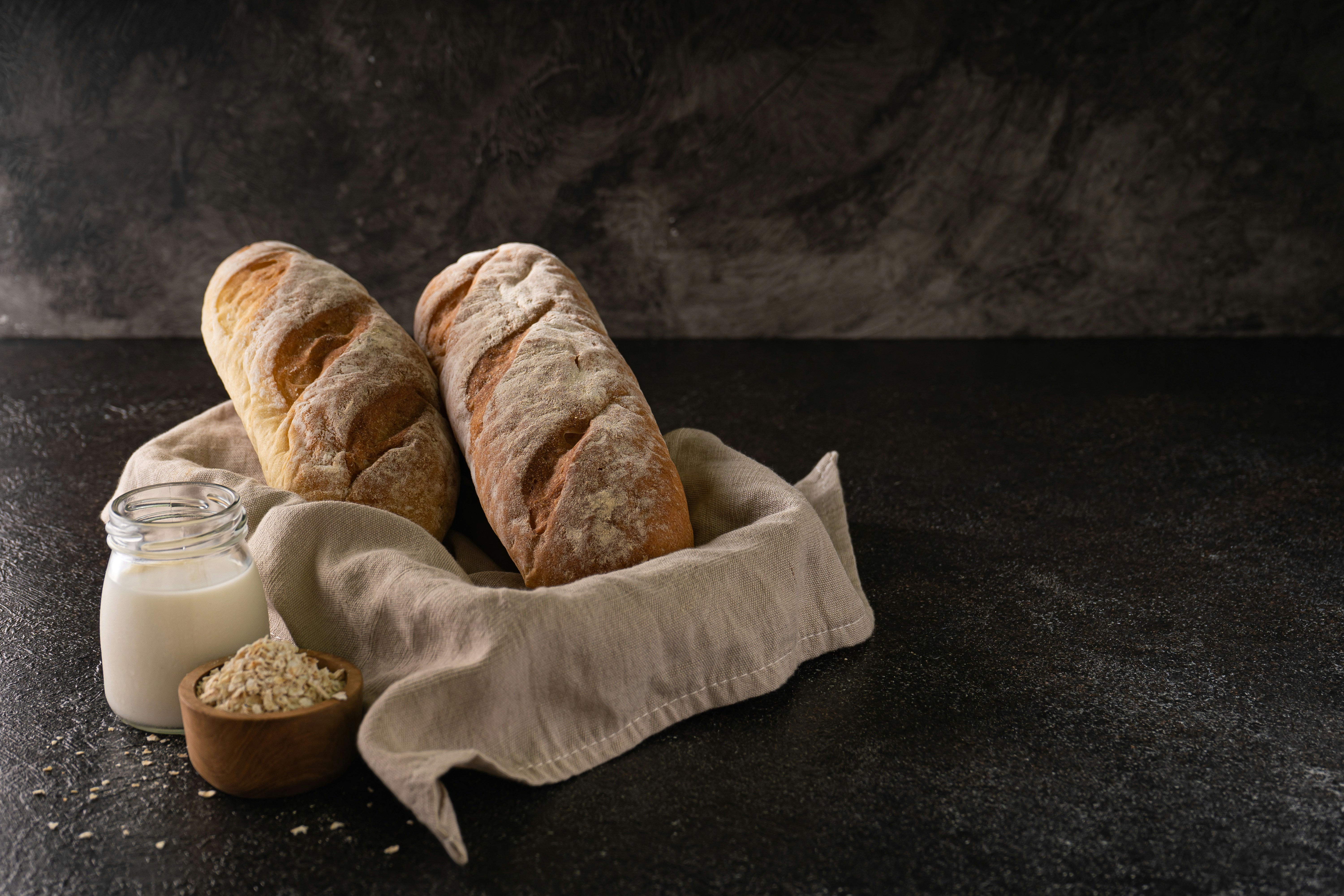
This is a simple, forgiving recipe designed for a first or second bake. It produces one medium loaf, roughly 700 to 800 grams of baked weight.
Ingredients:
- 450g strong bread flour (also called atta for bread, available at supermarkets) or 400g bread flour plus 50g whole wheat flour for more flavour
- 315g water, room temperature (this is a 70% hydration dough — manageable for beginners)
- 90g active sourdough starter (fed eight to twelve hours before you plan to mix)
- 9g salt
Equipment needed:
- A large mixing bowl
- A kitchen scale (measuring by weight is important in bread baking)
- A Dutch oven or any heavy pot with a lid that can go in the oven (this creates steam and is the single most important piece of equipment for a good crust)
- A banneton (proofing basket) or a bowl lined with a floured cloth for the final proof
- A sharp knife or bread lame for scoring
Also Read: Why Vegetable Yakhni Pulao Is Different From Regular Pulao
Step 1: Autolyse (30 minutes)
Mix the flour and 295g of the water (hold back 20g to add the salt later) in your bowl until no dry flour remains. Do not knead, just mix until combined. Cover and leave for 30 minutes. This rest period, called autolyse, allows the flour to absorb the water and begins developing the gluten structure without any effort on your part.
Step 2: Add the starter and salt
Add the starter to the dough. Use your fingers to dimple it in, then squeeze and fold the dough repeatedly until the starter is fully incorporated. This takes about two minutes. Then dissolve the salt in the remaining 20g of water and add it to the dough the same way. The dough will feel slippery at first, but it will come together.
Step 3: Bulk fermentation and stretch-and-folds (4 to 6 hours)
This is the main fermentation period. Leave the dough covered at room temperature. During the first two hours, perform four rounds of stretch and fold, spaced about 30 minutes apart.
To stretch and fold: with wet hands, grab one side of the dough, stretch it upward as far as it will go without tearing, then fold it over the centre. Rotate the bowl 90 degrees and repeat. Do this four times around the bowl, that is one round. It takes about 30 seconds. After four rounds (two hours), leave the dough alone to ferment for the remaining time. The dough is ready when it has increased in size by about 50 to 75 per cent and feels airy rather than dense when you gently press it.
In a warm Indian kitchen (28 to 32°C), bulk fermentation can take as little as four hours. In a cooler kitchen, it may take six hours or more.
Step 4: Shape
Turn the dough gently onto a lightly floured surface. Using a bench scraper or your hands, fold the edges of the dough into the centre, then flip it over so the seam side is down. Use your hands to gently drag the dough toward you on the surface — this creates surface tension and a round shape. Do this two or three times until the dough is taut and round. Let it rest for twenty minutes uncovered (this is the bench rest).
After twenty minutes, shape it one final time: flip the dough over, fold the sides in, then roll the whole thing toward you to create a tight batard (oval) or boule (round) shape.
Step 5: Cold proof (overnight, 8 to 12 hours)
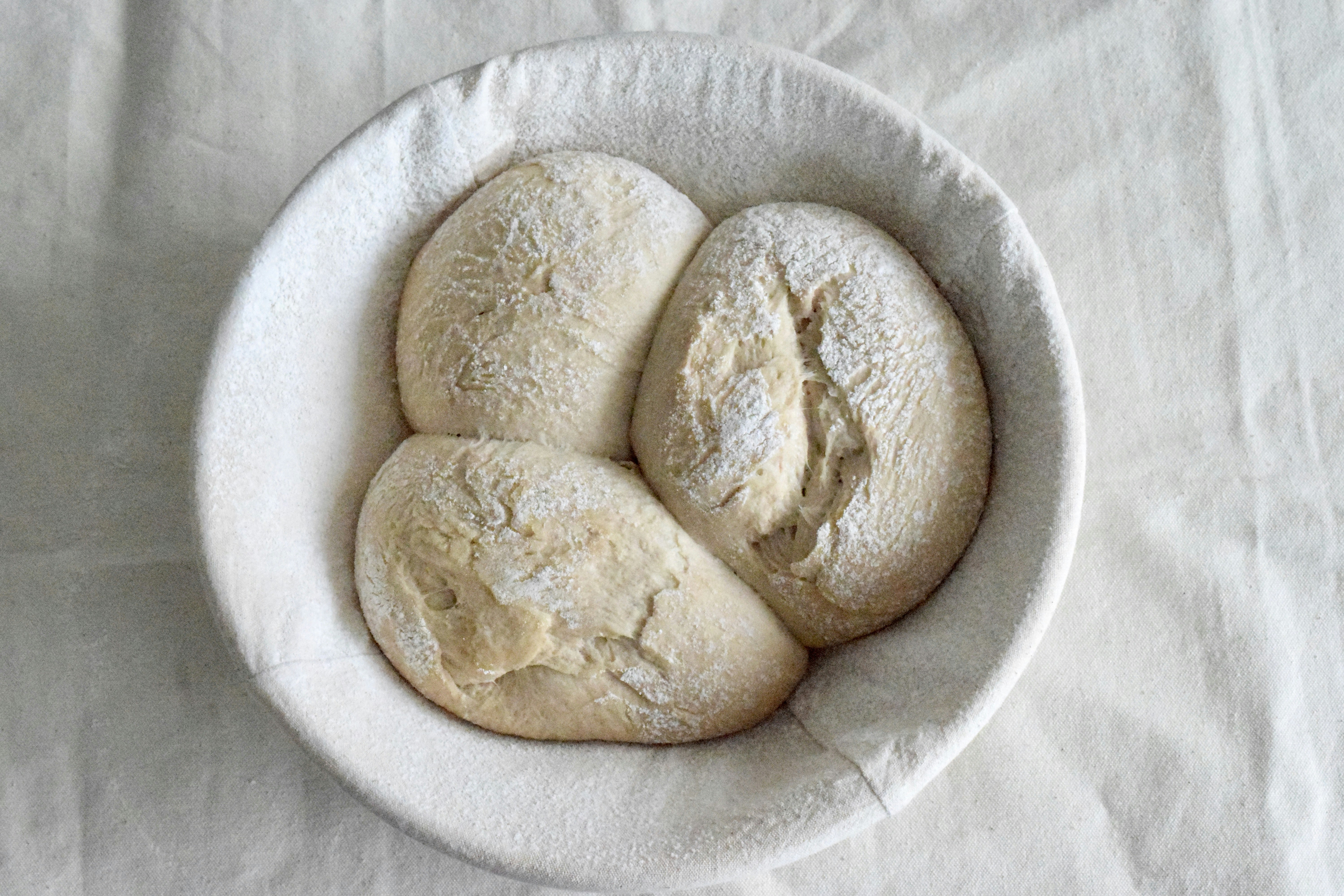
Place the shaped dough seam-side up in a banneton or a bowl lined with a well-floured cloth. Dust the top with flour, cover with a plastic bag or cling film, and place in the refrigerator overnight. This slow, cold fermentation develops flavour and makes the dough much easier to score before baking.
Step 6: Bake
Place your Dutch oven in the oven and preheat to 250°C (or as high as your oven goes) for at least 45 minutes to an hour. The Dutch oven must be fully preheated.
When ready to bake, take the dough out of the fridge. Cut a sheet of parchment paper, place it over the banneton, then flip the dough onto the parchment. Score the top with a sharp knife at a 30 to 45 degree angle, one confident slash about 2 centimetres deep across the top. Do not hesitate.
Lower the dough onto the parchment in the preheated Dutch oven. Put the lid on and bake for 20 minutes. Then remove the lid and bake for another 20 to 25 minutes until the crust is a deep, dark brown. A light golden loaf will taste undercooked. Go for colour.
Remove the loaf from the Dutch oven and place it on a wire rack. Do not cut into it for at least one hour. The interior is still finishing its cooking, and the crumb needs time to set. Cutting too early produces a gummy interior.
Troubleshooting For The Indian Kitchen
Dough is over-proofing too fast: Indian summers accelerate fermentation significantly. If your dough doubles in bulk fermentation before three hours, move it to the fridge for the remaining time. You can also reduce your starter by 10g in the recipe.
Dense loaf with no oven spring: The starter was not active enough. Make sure it passes the float test and is visibly domed before using it.
No dark crust: Your oven may not be reaching the right temperature. Add an extra ten minutes with the lid on to build more steam, then extend the uncovered bake by five to ten minutes.
Gummy crumb: Either the dough was underproofed, underbaked, or cut too soon. Trust the process and resist the urge to slice immediately.
Also Read: 6 Traditional Indian Drinks That Are Also A Good Source Of Protein
Mastering The Loaf
Once you have made this loaf twice, the process will feel considerably less intimidating and considerably more intuitive. Sourdough is one of those skills that lives in your hands as much as in a recipe. After a few bakes, you will start to recognise what properly proofed dough feels like, what an active starter smells like, and how your particular oven behaves. The Rs 400 loaf from the bakery is not going away, and there will be days when buying one is the right decision. But the loaf you bake yourself, especially the first time it comes out properly, is something else entirely.