


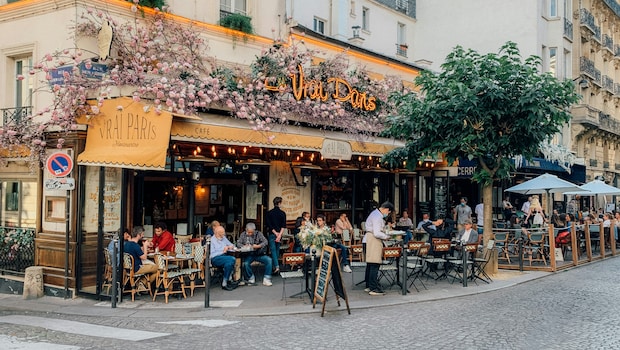
Paris may be celebrated today as the world's gastronomic capital, but the origins of the modern restaurant are far more dramatic than most diners ever imagine. Behind the warmth of a cosy bistro and the elegance of a candle‑lit French dinner lies a story shaped by chaos, fear, bloodshed and an unexpected culinary revolution. The birth of the restaurant is tied not to indulgent kings or refined palace kitchens, but to the fall of the very people who once enjoyed them.
A Culinary Revolution Born From An Actual Revolution
Before the French Revolution, food in Paris was sharply divided along class lines. Fine dining was exclusive to kings, nobles and the wealthy elite, who employed highly trained chefs to craft elaborate meals. Ordinary people ate simple stews, bread and whatever they could afford. The idea of choosing from a menu or dining in a refined public space simply did not exist for common citizens.
Then came 1789. As the revolution raged and the guillotine claimed the lives of countless aristocrats, their elite chefs suddenly found themselves without patrons. The nobles they cooked for were dead, imprisoned or in exile, leaving behind a generation of expertly trained culinary masters with no kitchens to command.
Also Read: "So French": Internet Loves Parisian Cafe's Idea Of Letters To Your Future Self
The Birth Of The Restaurant
At the same time, the new French government abolished the medieval guild system. Without guild restrictions, anyone could legally start a food business. Overnight, the city became a blank canvas for culinary experimentation.
These unemployed palace chefs seized the moment. They opened public eating houses and named them "restaurants", inspired by the "restoratives" or nourishing broths they served to revitalise weary Parisians. Unlike taverns, which offered simple meals and drinks, these new establishments allowed diners to select dishes individually. It was the first time the public could order food à la carte, a revolutionary concept that transformed eating out into a personal, customisable experience.
The Rise Of Fine Dining In Paris
One of the earliest pioneers was Chef Antoine Beauvilliers, who opened La Grande Taverne de Londres. It combined everything we now associate with fine dining: elegant interiors, attentive service, a curated wine cellar and a sophisticated kitchen. Beauvilliers created a space once reserved for aristocrats, now open to anyone who could afford the experience.
This was more than a new business model. It represented the democratisation of food. Gourmet meals were no longer a privilege of the elite, and dining out became both a social pleasure and a cultural experience.
From A Handful Of Taverns To Thousands Of Restaurants
By the early 1800s, Paris had exploded from a few taverns to more than three thousand restaurants. The city's transformation was rapid and extraordinary. A violent political upheaval, an unemployed class of highly skilled chefs and the rise of a food‑loving urban population together created the blueprint for the modern restaurant industry. Today, whether you sit inside a Michelin‑starred dining room or grab a simple meal at a neighbourhood cafe, you are experiencing a culinary tradition born from the ashes of revolution and perfected on the streets of Paris.
Also Read: Many Parisian Restaurants Charge American Tourists More Than Locals, Investigation Claims
And that is how the modern restaurant was born: from royal kitchens, to the guillotine, to the global dining culture we enjoy today.