



Open a festive gift box, pass around a bowl of dry fruits at a family gathering, or dig into a rich bowl of kheer, and chances are you'll find cashews. They are one of India's most-loved nuts, yet they are also among the most expensive. So, what makes these creamy, crunchy kernels cost so much?
Getting To The Cashew Is Not Easy
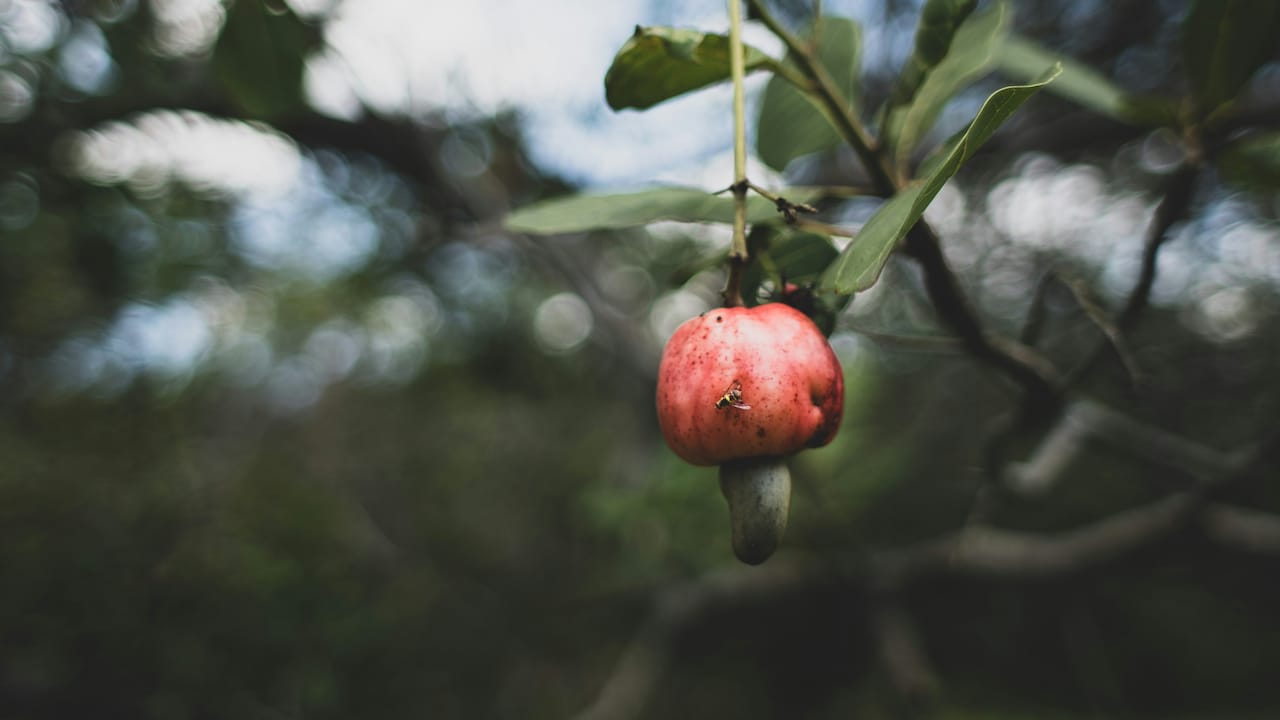
Photo: Unsplash
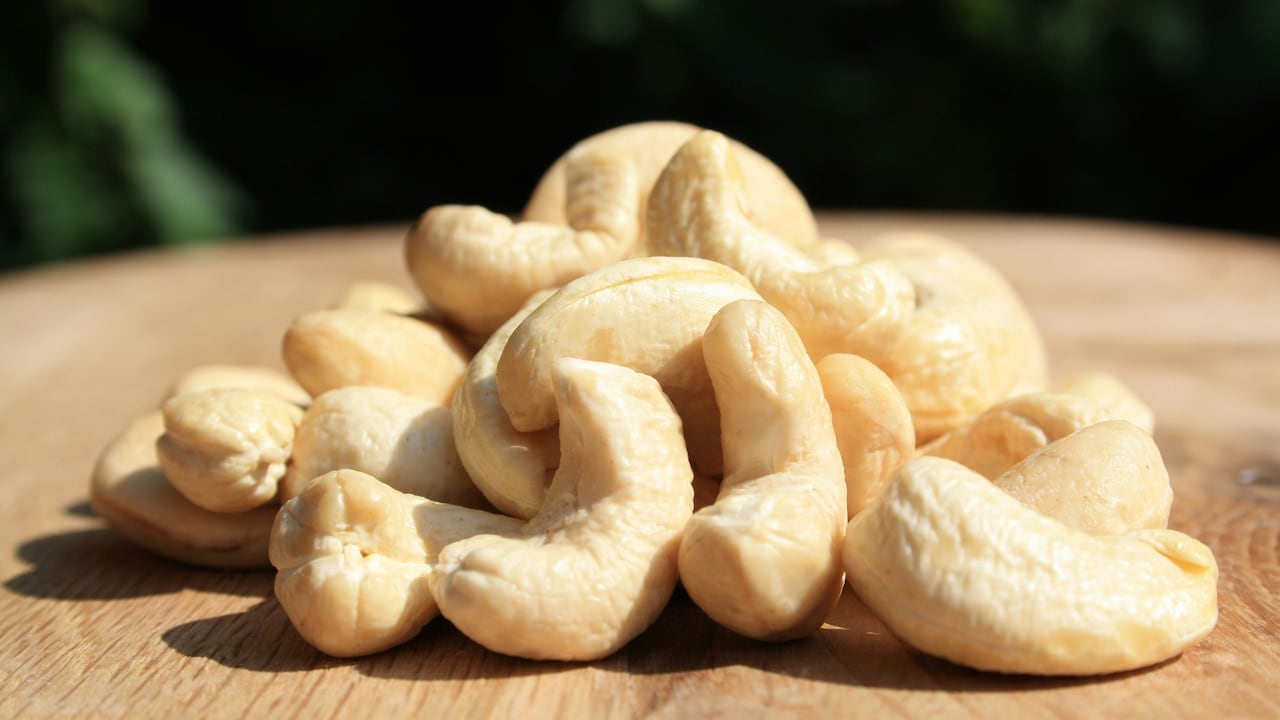
Unlike many nuts, cashews do not grow inside a fruit that can simply be cracked open. The kidney-shaped nut grows beneath the cashew apple and is enclosed in a hard shell.
Also Read: The Mystery Behind Chicken 65: How Did The Famous Dish Get Its Name?
That shell contains cashew nut shell liquid (CNSL), a caustic substance that can cause skin irritation and even chemical burns during handling. Because of this, raw cashews cannot be opened and eaten straight from the tree. The nuts first need to be heat-treated, usually through steaming or roasting, before the shell can be removed safely.
Why Whole Cashews Cost More
Even after the shell is removed, the hard part is not over. The edible kernel inside is delicate and can easily break during processing. This matters because whole cashews are worth more than broken ones. Larger, unbroken kernels command premium prices, which is why processors take great care while shelling, sorting and grading them.
You may have noticed labels such as W180, W240 or W320 on cashew packets. These grades broadly indicate the number of kernels per pound. The lower the number, the larger the kernel and, usually, the higher the price.
There Are Several Steps After Shelling
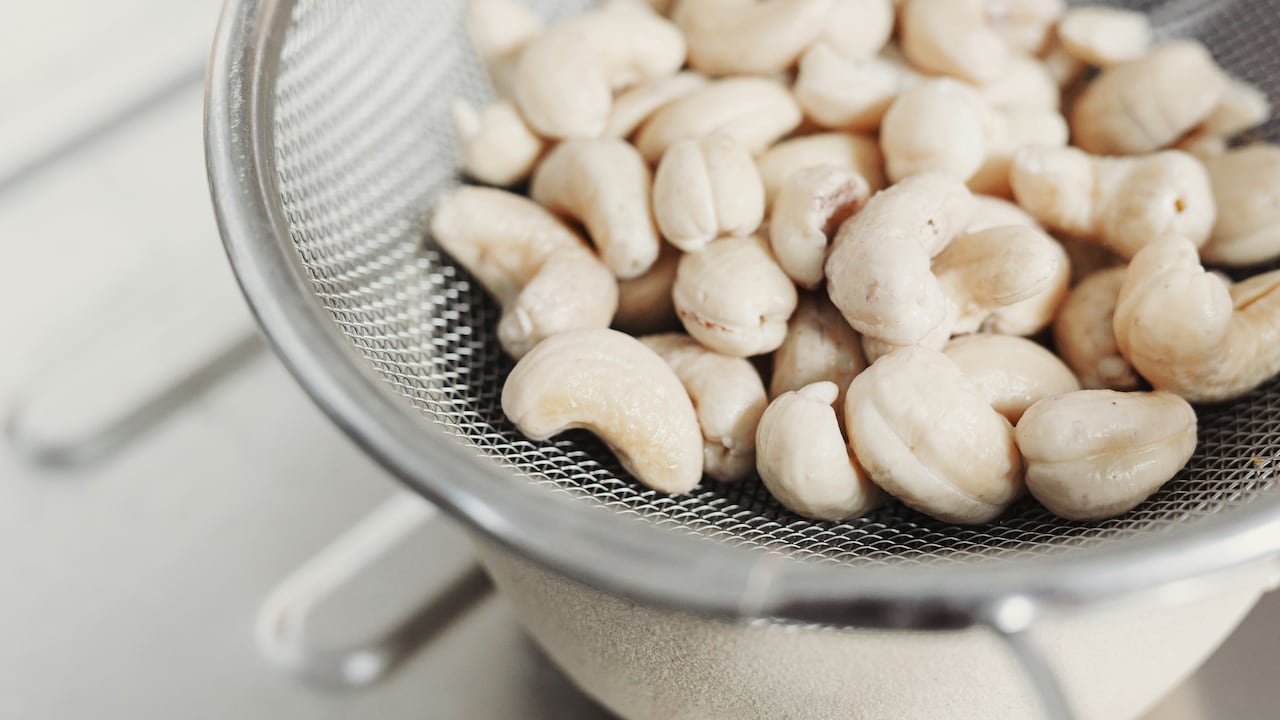
Photo: Unsplash
Once extracted, the kernels are dried, peeled and graded according to their size, colour and quality before being packed for sale.
Every stage adds to the final cost through labour, equipment, energy use and quality checks. The goal is not just to process the nut, but to deliver kernels that look good and remain intact.
Imports Also Affect Prices
India is one of the world's major cashew-processing hubs, but a significant portion of the raw cashew nuts used by processors is imported from producing countries, particularly in Africa.
Also Read: Rs 8,500 Pasta, Rs 10,000 Red Snapper: Inside Arpita Khan's Pricey Restaurant Menu
As a result, retail prices can also be influenced by factors such as global supply, transportation costs, exchange rates, processing expenses and domestic demand.
Photo: Unsplash
So, in simple terms, cashews are expensive because getting the edible kernel out of its shell is a complicated and labour-intensive process. The nuts must be safely treated, carefully opened and then dried, peeled, sorted and graded before they reach store shelves.
Add processing costs, imports, transportation and the premium attached to large, whole kernels, and the higher price starts to make sense.
The next time you open a packet of cashews, remember that you are paying not just for the nut itself, but for all the work that goes into getting it there.