




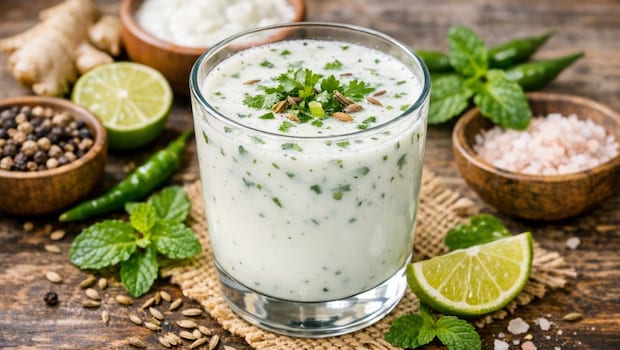
When we think of protein, the focus usually shifts to foods like dal, eggs or paneer. But traditional Indian diets also include a range of beverages that quietly contribute to daily protein intake. These drinks are often simple, homemade and built around ingredients like lentils, milk, nuts and seeds. While they may not replace main protein sources entirely, they can help add to your overall intake, especially when consumed regularly. Including protein-rich drinks in your routine can be particularly useful for those with busy schedules or low appetite in the morning. The key is to choose options that are balanced, minimally processed and easy to digest.
Also Read: Raw Mango Curry: The Summer Lunch That Tastes Like The Season Itself
Here Are 6 Traditional Indian Drinks That Are Packed With Protein
1. Sattu Drink (Sattu Sharbat)
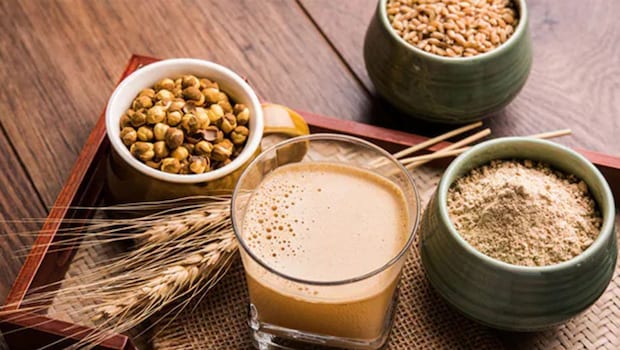
Sattu, made from roasted gram flour, is one of the most underrated protein-rich ingredients in Indian kitchens. When mixed with water, lemon and a pinch of salt, it becomes a refreshing and filling drink. Sattu is naturally high in plant-based protein and fibre, which helps keep you full for longer. It is also easy to digest, making it a good mid-morning or post-workout option, especially during warmer months.
2. Badam Milk
Badam milk combines the goodness of milk and almonds, both of which contribute to protein intake. Soaked almonds are blended into milk and lightly flavoured with cardamom or saffron. This drink not only provides protein but also healthy fats, making it more satiating. It works well as a morning drink or even in the evening when you need something nourishing without being too heavy.
3. Chaas (Spiced Buttermilk)

Chaas is a light, probiotic-rich drink made from diluted curd. While it may seem mild, it still contains a small amount of protein along with beneficial bacteria that support digestion. Adding roasted cumin, curry leaves or coriander enhances both flavour and nutritional value. Chaas is best consumed after meals, as it helps with digestion while contributing modestly to your daily protein intake.
4. Lassi (Sweet Or Salted)
Lassi, made from curd, is thicker and more filling than chaas, which means it offers slightly higher protein content. A salted lassi with minimal sugar is generally a better option if you are watching calorie intake. It can work as a quick breakfast or a post-meal drink that keeps you satisfied for longer, thanks to its protein and fat content.
5. Ragi Malt (Ragi Ambli)
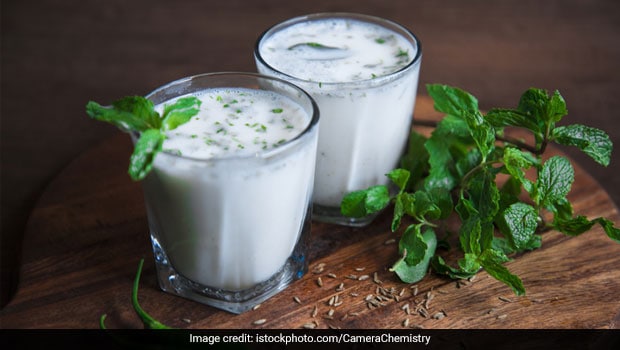
Ragi malt is a traditional drink made from finger millet, known for its iron and calcium content. While not extremely high in protein, it still contributes a decent amount when prepared with milk or curd. Its slow-digesting nature makes it a sustaining drink that can support energy levels through the day. It is especially popular in South India as a wholesome breakfast option.
6. Moong Dal Soup (Thin Dal Rasam-Style Drink)
A thin moong dal soup or rasam-style preparation can be consumed as a drink and offers a good dose of plant-based protein. Moong dal is easy to digest and provides steady energy. When seasoned with ginger, cumin and black pepper, it becomes both comforting and functional, especially during colder months or when appetite is low.
How To Enhance Flavour Without Reducing Protein Value

One of the strengths of traditional Indian drinks is that they rely on flavour from spices, herbs, and techniques rather than heavy sweeteners. With a few thoughtful tweaks, you can make these drinks more enjoyable without compromising their protein contribution.
- Let spices do the work: Ingredients like cardamom, cinnamon, roasted cumin, ginger, and black pepper naturally deepen flavour without altering the nutritional balance.
- Sweeten gently, if at all: When sweetness is needed, small amounts of dates or jaggery work better than refined sugar and keep the drink closer to its traditional profile.
- Toast for aroma: Lightly roasting nuts, seeds, or spices before blending enhances taste and richness without affecting protein content.
- Avoid over‑dilution: Using too much water can flatten flavours; keeping drinks moderately thick improves both mouthfeel and satisfaction.
Use fresh herbs: Mint, coriander, and curry leaves add freshness and complexity, especially in savoury drinks like chaas or sattu.
Also Read: Why Vegetable Yakhni Pulao Is Different From Regular Pulao
Easy Homemade Variations You Can Try

These drinks are highly adaptable, which makes them easy to customise at home while keeping their core ingredients intact. Small changes in seasoning or preparation can completely transform the experience.
- Savoury sattu drink: Add roasted cumin, lemon juice, finely chopped onion, and coriander for a more filling, meal‑like version.
- Date‑sweetened badam milk: Blend soaked almonds with warm milk and dates for a naturally sweet, dessert‑style drink.
- Mint chaas: Fresh mint, black salt, and roasted cumin turn basic buttermilk into a refreshing summer cooler.
- Lightly spiced lassi: A pinch of ginger or cinnamon works well in salted lassi for added warmth and depth.
- Ragi malt with buttermilk: Using diluted curd instead of water creates a tangy, more rounded flavour.
- Moong dal rasam drink: Keep it thin and aromatic with garlic, pepper, and cumin for a comforting, sip‑able option.
Which recipe are you planning to try first in this scorching heat? Let us know in the comments below.