





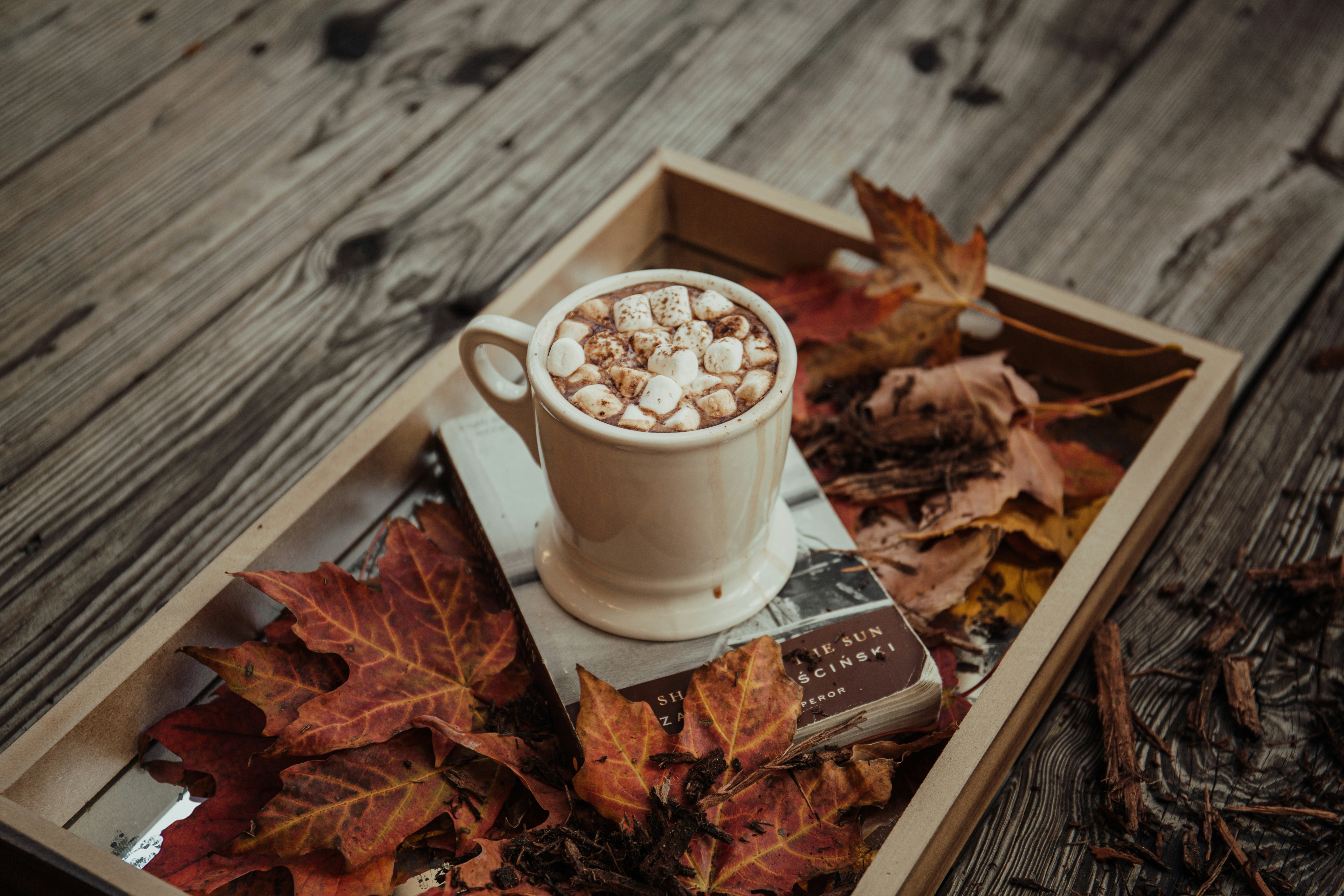
Café-style hot chocolate tastes nothing like the instant powder you stirred into milk as a child. Real hot chocolate tastes thick, rich, genuinely luxurious. Every sip coats your mouth with creamy chocolate. The warmth extends into your chest, creating genuine comfort. Yet making it seems somehow mysterious. Surely such richness requires complicated technique or expensive equipment? Absolutely not. Café-style hot chocolate requires just five basic ingredients, approximately 10 minutes of your time, and understanding three crucial principles. First, use actual chocolate rather than just cocoa powder. Second, ensure proper thickness through technique rather than artificial thickeners. Third, create creaminess through milk quality and gentle heating rather than stress. These principles transform basic hot chocolate into something genuinely café-worthy. The tricks involved are genuinely simple once understood. The results taste expensive. The process feels meditative. During winter, café-style hot chocolate becomes something approaching a necessity rather than an occasional indulgence.
Also Read: Chocolate Chip Banana Bread Recipe: Perfect Pairing With Hot Coffee For Winter Mornings
The Fundamental Difference: Real Chocolate Versus Cocoa Powder
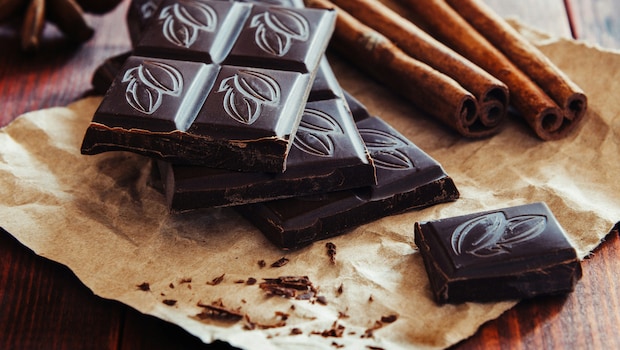
Photo Credit: Unsplash
Why Chocolate Matters:
Café-style hot chocolate uses actual chocolate, not just cocoa powder. This distinction defines everything. Cocoa powder is processed chocolate with most cocoa butter removed. It tastes bitter, thin, and requires massive amounts to create richness. Real chocolate (whether dark, milk, or compound chocolate) contains cocoa solids and cocoa butter. The cocoa butter creates inherent creaminess. The balance of cocoa solids and cocoa butter creates complex flavour. Using real chocolate transforms the entire experience.
Chocolate Types:
Couverture chocolate contains 50-85% cocoa butter, making it melt smoothly and create silky texture. Compound chocolate uses vegetable oil instead of cocoa butter, making it easier to work with and affordable. Both work for hot chocolate. Chocolate chips work but aren't ideal. Actual chocolate bars (broken into pieces) work perfectly.
Why This Matters:
When you use cocoa powder alone, you're creating cocoa-flavoured milk. When you use actual chocolate, you're creating chocolate milk. The difference in mouthfeel, richness, and satisfaction is genuinely dramatic.
The Master Recipe: Café Style Hot Chocolate
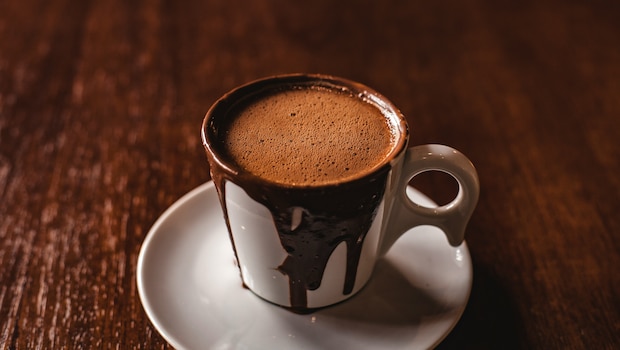
Photo Credit: iStock
Ingredients (Per Serving):
- 1 cup full-fat milk (absolutely essential)
- 50-75 grams high-quality dark or milk chocolate (or approximately 1/4 cup chopped)
- 1 tablespoon unsweetened cocoa powder
- 1/2 teaspoon cornflour mixed with 2-3 teaspoons water (to form a slurry)
- 2 teaspoons sugar (adjust based on chocolate sweetness)
- 1/4 teaspoon vanilla extract
- Pinch of salt
Equipment:
- Heavy-bottomed saucepan
- Whisk or spoon
- Sieve (optional, for smoothness)
Method:
Step One: Prepare The Cornflour Slurry
In a small bowl, mix cornflour with cold water until completely smooth without lumps. This step is crucial. Lumpy slurry creates lumpy hot chocolate. Mix thoroughly.
Step Two: Heat Milk Gently
Pour milk into a heavy-bottomed pan. Heat on medium heat, stirring occasionally. You want steam to appear and small bubbles to form around the edges. Do not boil aggressively. Gentle heating prevents skin forming and scalding.
Step Three: Add Cocoa Powder
Once milk is hot, add cocoa powder. Whisk vigorously for 30 seconds. The mixture might look thin. This is correct. The cornflour slurry and chocolate will thicken it.
Step Four: Add Cornflour Slurry
Pour in the cornflour slurry whilst whisking continuously. This prevents lumps. Whisk for approximately 1 minute. The mixture will begin visibly thickening.
Step Five: Add Chocolate
Once thickened slightly, add chopped chocolate. Stir continuously without heating aggressively. The chocolate will melt into the hot milk, creating smoothness. This process takes 2-3 minutes.
Step Six: Season And Finish
Add vanilla extract, salt, and sugar. Stir thoroughly. Taste and adjust the sweetness. The hot chocolate should taste rich but not overwhelmingly sweet.
Step Seven: Optional Blending
For ultra-creamy café-style texture, use an immersion blender to blend the hot chocolate for 30 seconds. This creates microfoam, adding air and creaminess. This step is optional but genuinely transforms the texture.
Step Eight: Serve Immediately
Pour into mugs. Top with marshmallows, whipped cream, or chocolate shavings. Serve whilst steaming hot.
The Critical Tricks: What Actually Makes Café Quality
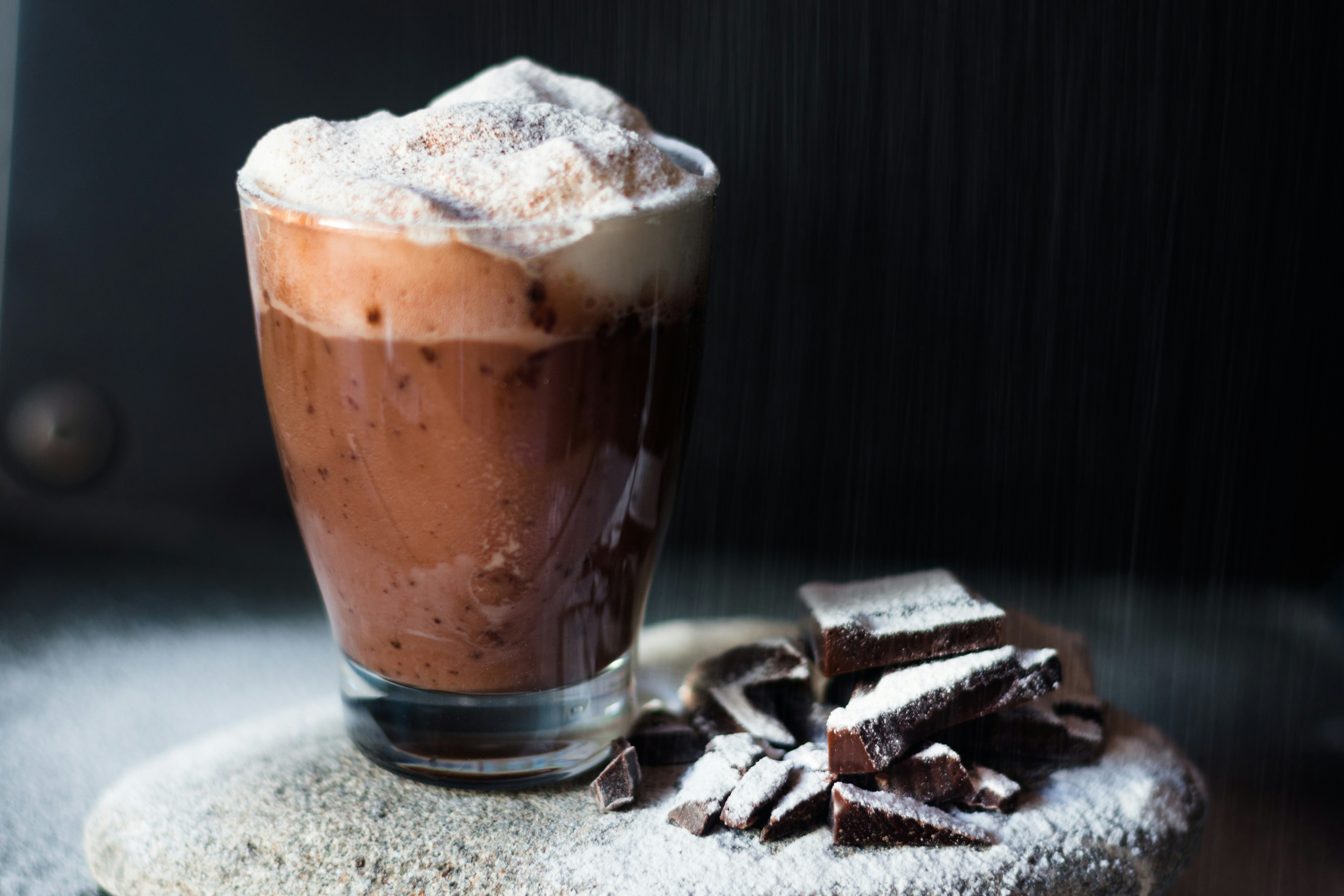
Trick One: Use Full-Fat Milk Without Exception
Toned milk, skimmed milk, and alternative milks create thin, disappointing results. Full-fat milk contains enough fat and milk solids to create creaminess naturally. This is non-negotiable for café-style hot chocolate.
Trick Two: The Cornflour Slurry Matters
Many recipes skip this step. The results taste thin. Cornflour slurry creates proper thickness without affecting flavour. The key is making it lump-free and adding whilst whisking.
Trick Three: Temperature Control
Gentle heating on medium heat prevents scorching and skin formation. High heat creates bitter flavours and destroys texture. Patience here rewards significantly.
Trick Four: The Immersion Blender Secret
This single step transforms hot chocolate from good to café-quality. Blending for 30 seconds creates microfoam, adding air and creaminess without adding ingredients. This is why café hot chocolate feels silky.
Trick Five: Salt Enhances Chocolate
A tiny pinch of salt intensifies the chocolate flavour. This isn't detectable but genuinely improves taste. Professional chefs use this principle constantly.
Also Read: 5 Foolproof Tips For Making Kerala-Style Sweet Banana Appam At Home
Flavour Variations: Creating Specialty Drinks
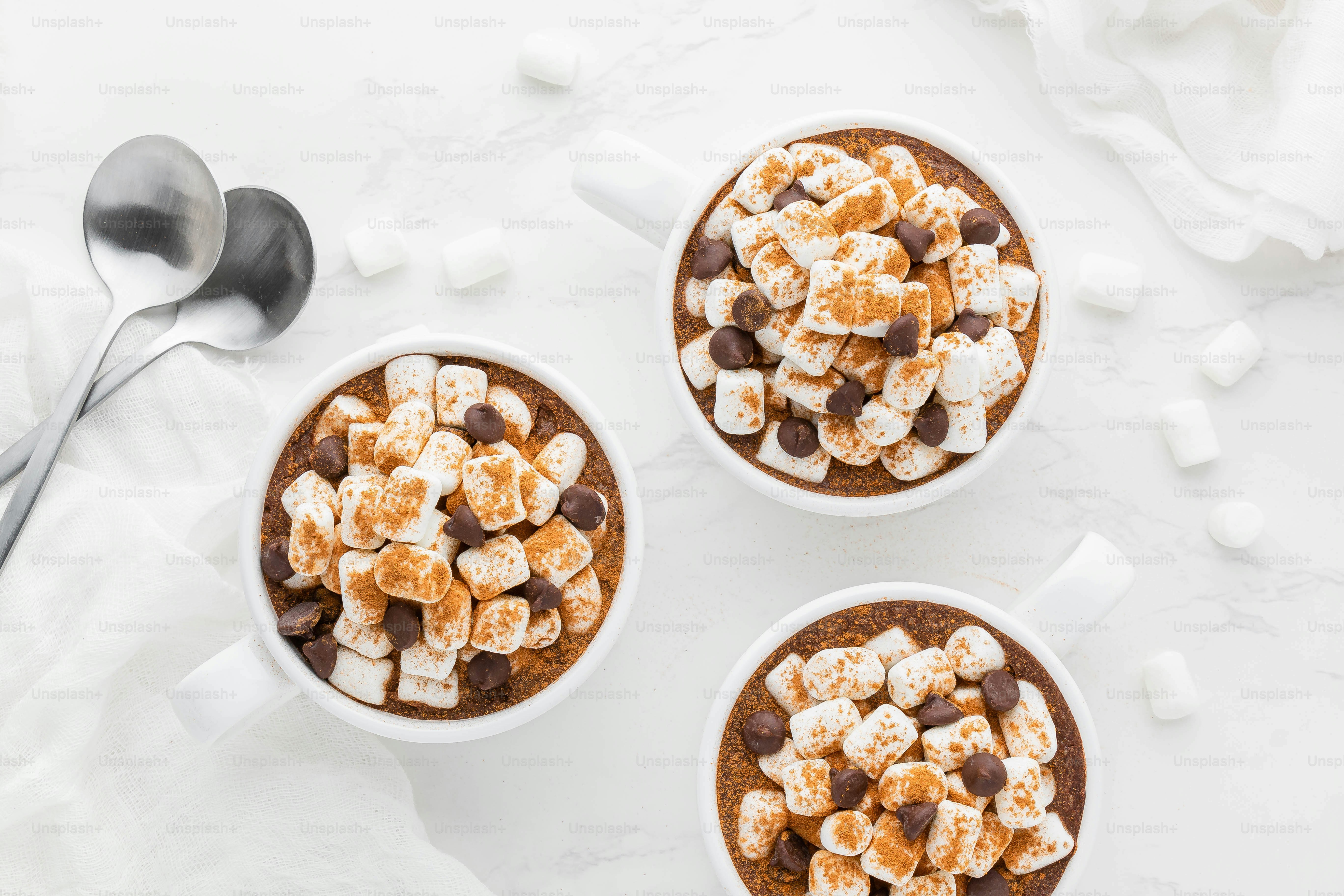
Mocha Hot Chocolate:
Add 1 teaspoon instant espresso powder to the basic recipe. It doesn't taste like coffee. It amplifies chocolate depth. Top with whipped cream and cocoa powder dust.
Peppermint Hot Chocolate:
Add 1/4 teaspoon peppermint extract instead of vanilla. Top with whipped cream and crushed peppermint candies. This version feels festive and sophisticated.
Cinnamon Hot Chocolate:
Add 1/2 teaspoon ground cinnamon to the basic recipe. Cinnamon and chocolate are classic partners. Top with whipped cream and cinnamon dust.
Spiced Desi Hot Chocolate:
Add 1/4 teaspoon ground cardamom, a pinch of clove powder, and 1/4 teaspoon cinnamon. Use jaggery instead of sugar. This creates a warm, warming version respecting Indian spice traditions.
White Hot Chocolate:
Replace dark chocolate with white chocolate. Use the same method. The result tastes creamy and sweet with mild vanilla notes naturally present in white chocolate.
Pro Tips From Café Experts
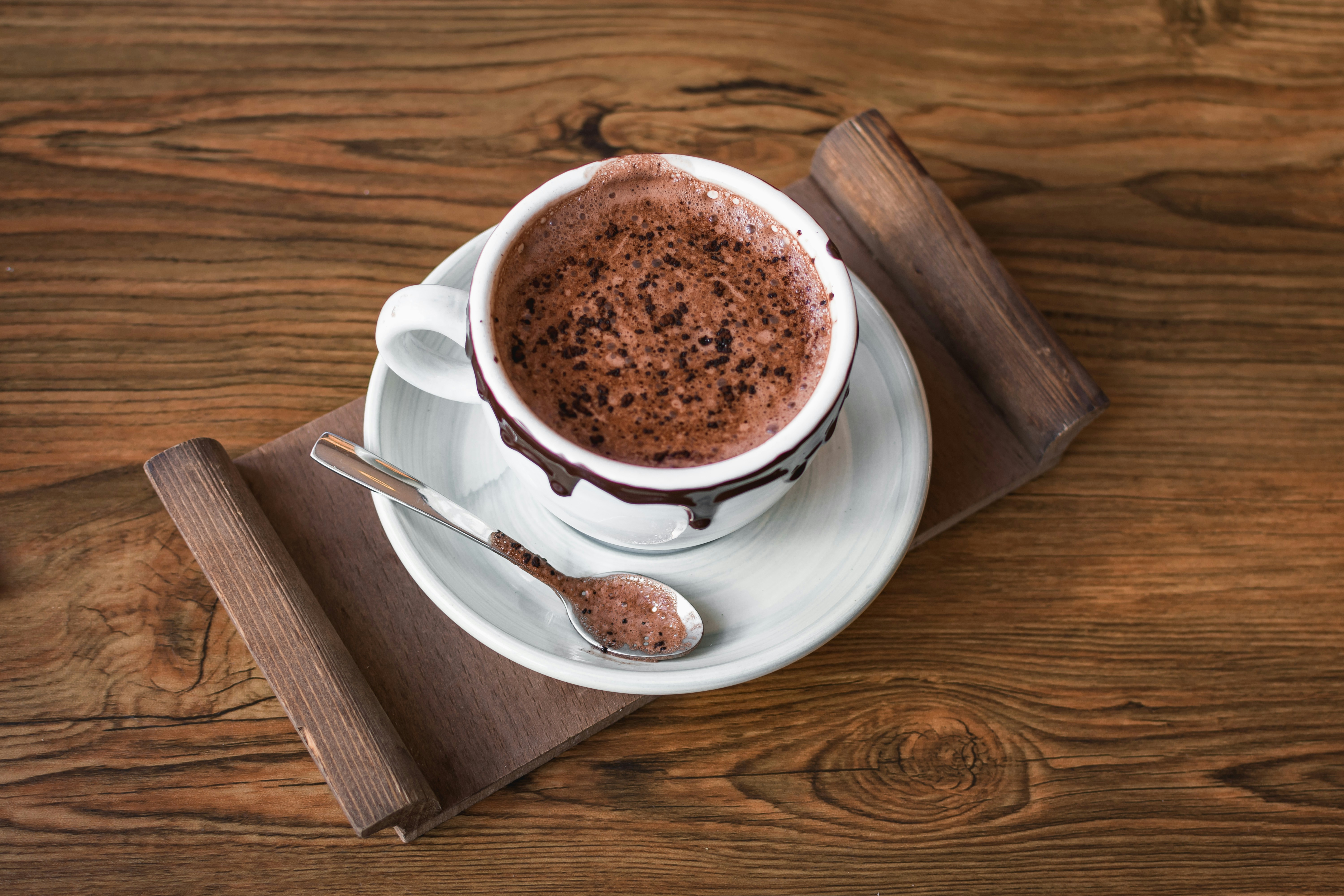
Chocolate Selection Matters:
Taste chocolate before using it. If it tastes good to eat, it'll taste good in hot chocolate. Low-quality chocolate creates low-quality hot chocolate. This is non-negotiable.
Make Ahead Powder Mix:
Combine cocoa powder, cornflour, powdered sugar, and milk powder. Store in airtight jars. When craving hot chocolate, mix 3 tablespoons with 1 cup milk, add chocolate pieces, and heat. This creates café-quality results faster.
Prevent Skin Formation:
If skin forms on milk whilst heating, whisk vigorously to break it. Alternatively, place cling film directly on the milk's surface whilst heating, then remove and whisk before using.
Achieve Perfect Temperature:
Serve hot chocolate at approximately 70°C (steaming hot but not boiling). At this temperature, chocolate flavour is optimally perceived, and cream melts properly without being too hot to drink.
Topping Hierarchy:
Whipped cream + chocolate shavings is classic. Marshmallows alone feel basic. Chocolate shavings + cocoa powder dust feels sophisticated. Combine multiple toppings for café ambience.
Storage And Make-Ahead Strategies
Immediate Consumption:
Hot chocolate tastes best immediately after preparation. Flavour complexity develops within minutes. Delay diminishes quality.
Reheating Leftovers:
If you have leftover hot chocolate (rare but possible), reheat gently in a saucepan on low heat, stirring occasionally. Microwave reheating sometimes causes texture separation. Stovetop is superior.
Creating Instant Mix:
For quick café-quality hot chocolate, create a dry mix: 1.5 cups milk powder, 3/4 cup powdered sugar, 1/2 cup cocoa powder, 2 teaspoons cornflour. Store in an airtight container. Mix 3 tablespoons with 1 cup of milk and add the chocolate pieces. Heat gently and blend.
Also Read: Cold Wave Alert: 6 Desi Indian Foods That Keep You Warm From Within
Café-style hot chocolate represents something simple transformed through technique and ingredient quality into something genuinely special. It requires no expensive equipment, no rare ingredients, and no complicated methods. It requires just understanding principles: use actual chocolate, ensure proper thickness, create creaminess through milk quality, apply gentle heat, and use the immersion blender trick. Winter becomes infinitely better when your afternoon includes a proper hot chocolate. The ritual of creating it, the sensory experience of tasting it, the warmth of holding the mug create comfort extending beyond the chocolate itself. Learning these tricks transforms home hot chocolate from acceptable into genuinely café-worthy.