



If you have grown up around South Indian kitchens, you have probably seen this happen without anyone making a fuss about it. The batter is ready, the pan is heating, and just before it's poured, someone reaches for the sugar dabba. Not enough to sweeten it. Just a pinch. No explanation, no recipe book reference, just muscle memory passed down through generations.
Dosa-making, after all, is rarely about rigid measurements. It is about feel, instinct, and those tiny adjustments that decide whether your dosa turns out pale and limp or golden and crisp. We talk endlessly about fermentation, rice-to-dal ratios, and weather conditions, but some tricks remain quietly tucked away in home kitchens. That pinch of sugar is one of them, and it has a very specific job to do. Here's why you should add a pinch of sugar to your dosa batter.
Also Read: How To Make One-Pot Egg Biryani At Home
Why Do People Add Sugar To Dosa Batter?
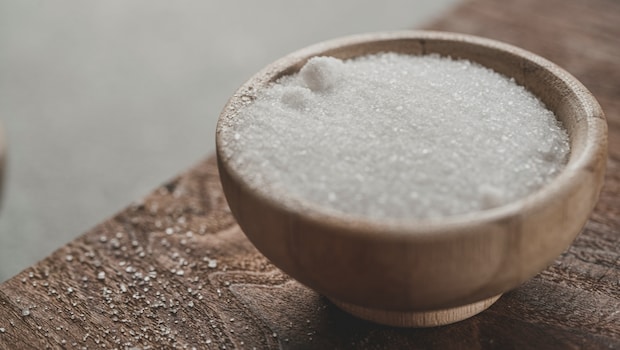
Photo: Unsplash
The short answer: for colour and crispiness. The longer answer lies in what happens when the batter hits a hot tawa.
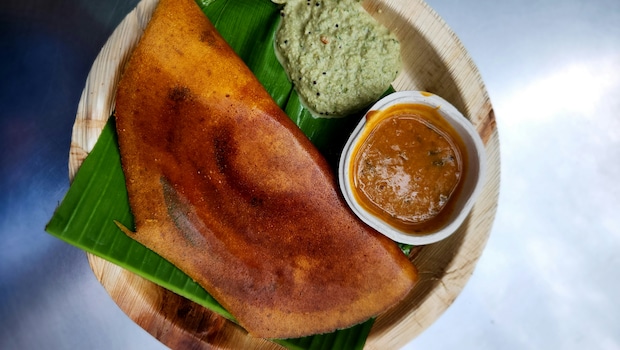
Sugar helps the dosa brown better, giving it that even, appetising golden colour instead of a dull white surface. It also contributes to crispness, especially along the edges, without making the dosa taste sweet. The quantity matters as this is not about changing flavour, but about enhancing texture and appearance.
When sugar meets heat, it caramelises quickly. This encourages better browning and helps the dosa form a thin, crisp outer layer while staying light inside. That's why restaurant-style dosas often look more evenly coloured and crackly compared to home versions, even when the batter feels similar.
Does Sugar Affect Fermentation Or Taste?
If you use it correctly, then no.
A small pinch (think ¼ to ½ teaspoon for a large batch) does not interfere with fermentation, nor does it make the dosa taste sweet. In fact, many cooks add it after fermentation, just before making dosas, to keep the balance intact.
What it does do is work quietly in the background, enhancing what's already there is a well-fermented batter, good heat control, and proper spreading technique.
When Should You Add Sugar To Dosa Batter?
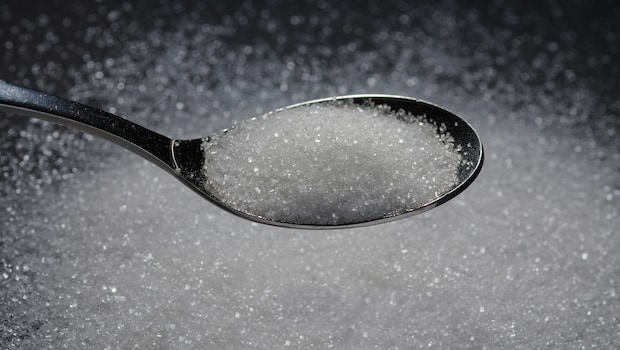
Photo: Unsplash
Timing matters more than people realise.
- After fermentation: This is the safest and most common method
- Just before cooking: Especially useful if your batter looks well-fermented but your dosas are turning pale
- Never during grinding: Sugar can disrupt fermentation if added too early
If your batter is already on the sour side, adding sugar at the last stage also helps balance flavours subtly, without masking the tang.
How Much Sugar Is Too Much?
This is where many people go wrong.
Use:
- ¼ teaspoon for 2–3 cups of batter
- ½ teaspoon for a large family batch
Anything more can cause:
- Excessive browning before the dosa cooks through
- Soft or sticky texture
- Noticeable sweetness (which you don't want)
Think of sugar here as a functional ingredient, not a flavouring.
How To Make Dosa Batter That Actually Turns Crisp
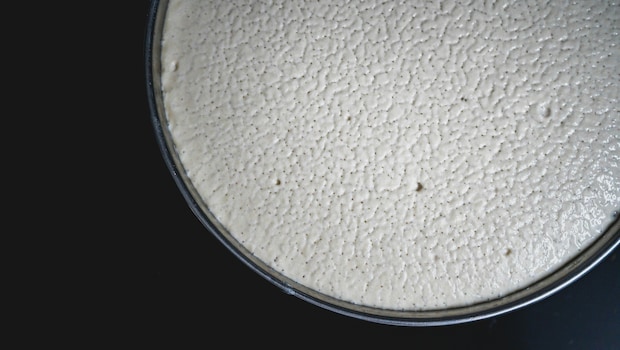
Photo: Unsplash
If sugar is the finishing touch, the base still needs to be right.
A good dosa batter should be:
- Smooth but slightly grainy
- Well-fermented but not overly sour
- Pourable, not thick like idli batter
A simple ratio many home cooks swear by:
- 3 cups dosa rice
- 1 cup urad dal
- ½ teaspoon methi seeds
Grind separately, ferment overnight in a warm spot, then adjust salt and sugar just before cooking.
Also Read: Move Over Keema Pav, This Keema Bread Pakoda Will Be Your New Favourite
What If You Don't Want To Use Sugar At All?
While sugar works best, some alternatives people try include:
- A little jaggery water (very diluted)
- Slightly longer fermentation
- Better heat control on the tawa
That said, nothing replicates the clean, controlled browning that a pinch of sugar offers, which is why the trick refuses to disappear from Indian kitchens.
Sometimes, the difference between an average dosa and a great one isn't a new gadget or fancy rice variety. It's a quiet pinch of something you weren't told to look for, but once you notice it, you never skip it again.