



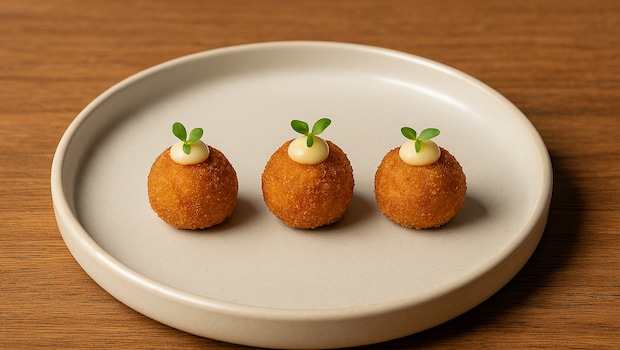
Have you ever found yourself wondering why appetisers almost always arrive in sets of three, five or seven? It is a small detail, yet once you spot it, it becomes difficult to overlook. Many restaurants lean towards this pattern even though not all of them follow it consistently. And while it usually passes without comment, things can become slightly awkward when the number of diners is even. This is when the familiar dilemma appears and someone has to take the final piece or politely split it. This naturally makes people question whether the choice is simply a matter of style or whether there is a more practical reason behind it.
Why Chefs Rely On The Rule Of Odds
1. Odd numbers naturally look more appealing
The idea of serving food in odd numbers comes from basic design principles that say uneven groups are more interesting to look at. Dining editor George Mahe explains that odd-numbered portions feel more appealing because they avoid the stiff, perfectly balanced look that even numbers create. This slight imbalance naturally guides the eye around the plate and makes the food look more inviting.
Also Read: 10 Food Photography Tips That'll Make Your Instagram Pop
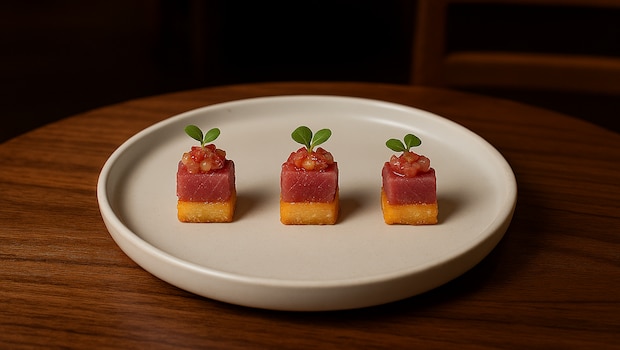
2. The psychology of visual engagement
Research into food aesthetics suggests that our brains find odd-numbered groupings more stimulating to process. As the Affordable Meal Prep analysis explains, odd numbers create a focal point that feels balanced yet slightly unpredictable, which heightens visual curiosity. This means a trio of canapes can actually feel more "complete" than an even set.
3. Chefs use odd numbers to encourage movement on the plate
Professional chefs often describe odd-number plating as "more natural", as it encourages the eyes to travel rather than settle. Karen Page, a food stylist cited in a culinary analysis of garnishing techniques, notes that odd numbers hold a diner's attention longer and create a more organic composition.
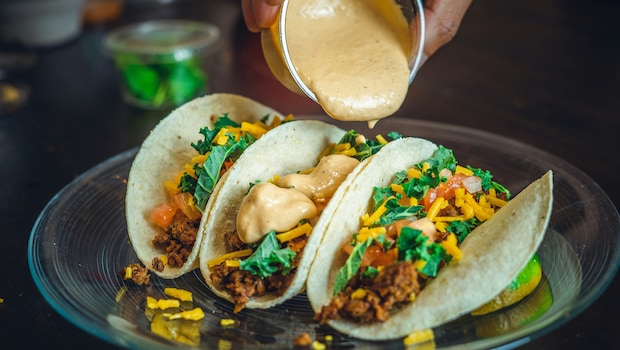
Photo Credit: Unsplash
4. Odd numbers improve the sense of portion balance
Many kitchens adopt the rule of odds because it tends to produce a cleaner and more harmonious plate design. The Auguste Escoffier School of Culinary Arts has long advised serving items like five ravioli instead of four or six, emphasising how the human brain consistently prefers this arrangement. Even in small bites, this instinctive appeal can make the portion feel more measured and complete.
Also Read: The Bloody French History Of How Restaurants Began
5. Odd numbers help your eyes focus on the main piece
Chefs also use odd numbers because they make it easier for your eyes to find a centre point on the plate. When food is arranged in threes or fives, there is always one piece in the middle, so your attention naturally goes there. This idea comes from the "rule of odds", which says uneven groups look more interesting and balanced.
The next time a plate of appetisers arrives with a neatly arranged trio or quintet, know that it's more than presentation flair.