

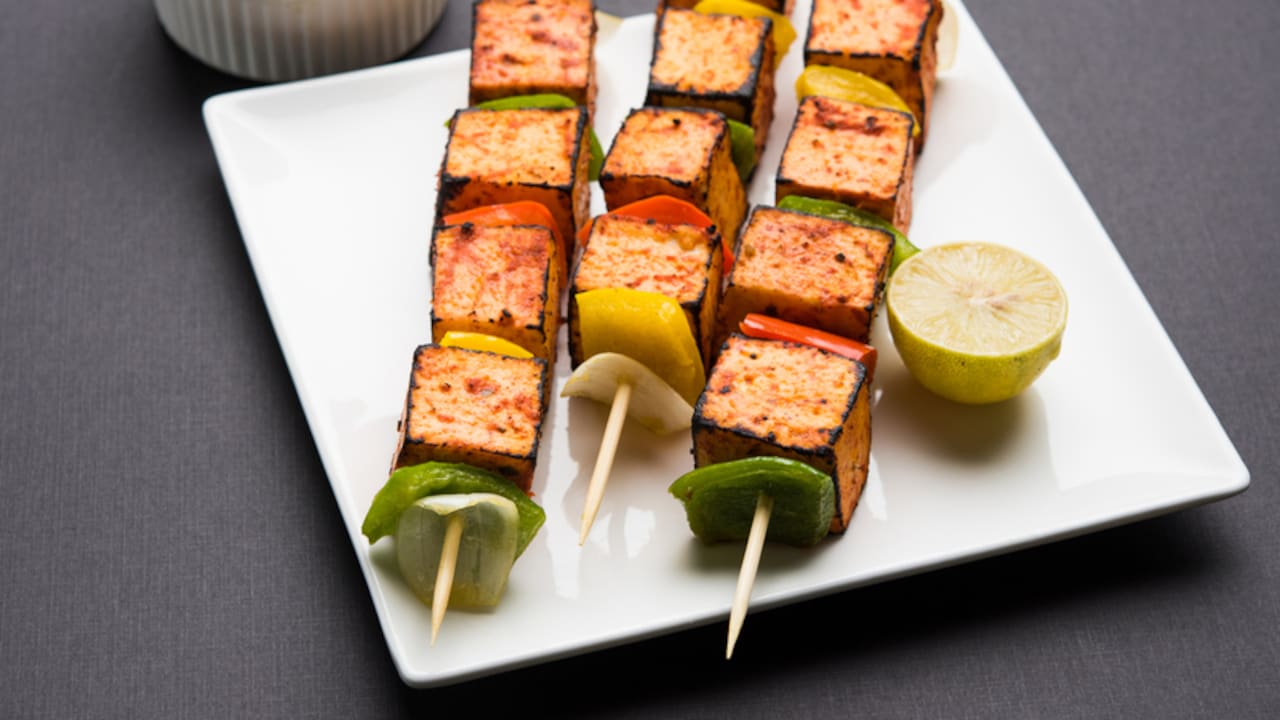
Tandoor cooking has its own set of unique qualities. The flavour, texture, and aroma produced give all sorts of tandoori dishes an extraordinary taste. However, if your food tastes too ordinary instead of scrumptious, there may be some issues with how you heat the tandoor. Common mistakes in this process could ruin your entire experience. The following inputs are provided by Chef Jagdish Singh, a seasoned tandoor specialist, who highlights six common mistakes that can prevent you from achieving that lovely tandoori flavour. Here are six mistakes that can prevent you from achieving that perfect tandoori flavour.











Not Preheating the Tandoor Enough: A tandoor has to reach the necessary temperature before you start cooking. When food enters the oven before it reaches the desired temperature, the cooking time may increase, and the dish may dry out before developing the characteristic smoky, roasted spots. Make sure to give your tandoor sufficient time to heat up properly. A hot cooking surface ensures the caramelisation of the marinated meat while keeping the inside juicy. For instance, chicken tikka starts to sizzle as soon as it is placed in a very hot tandoor.
Also Read: How To Keep Wooden Spoons And Spatulas Clean And Long-Lasting
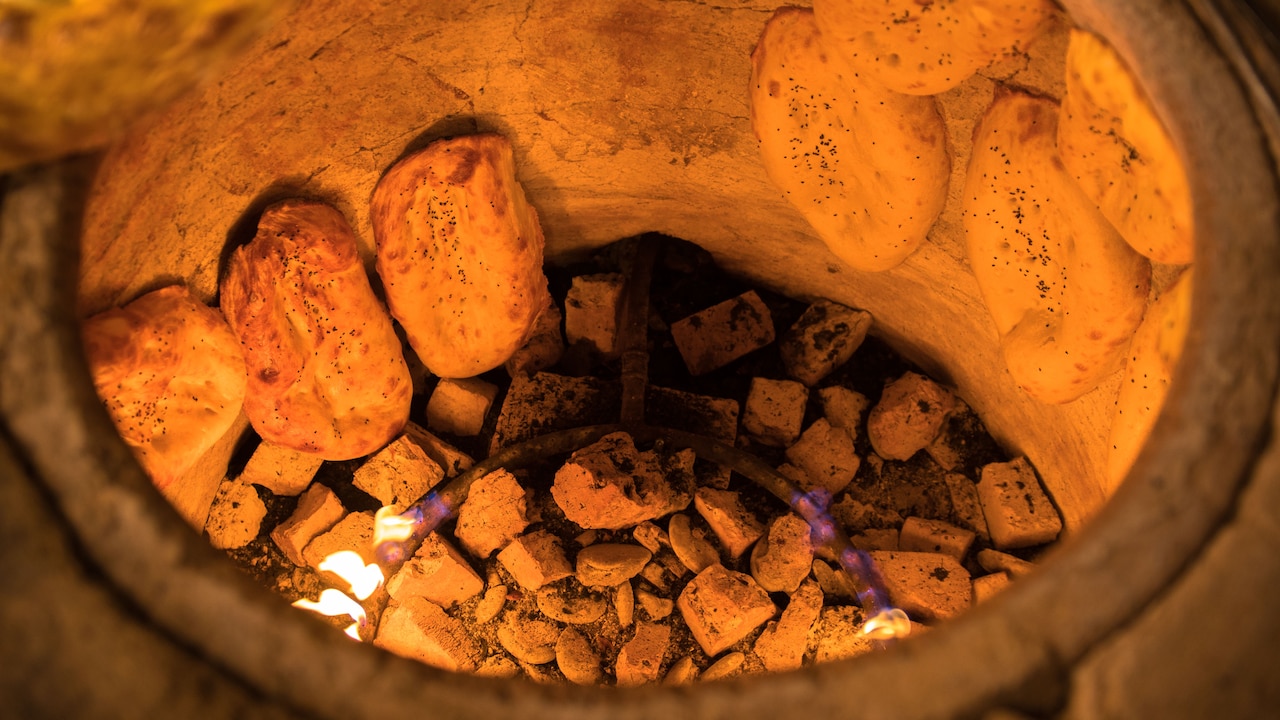
Using Too Much Marinade: While a thick layer of marinade may seem enticing, it does not necessarily mean that it is better. Too much marinade can drip from the skewers, create excess moisture, and prevent the food from getting the right amount of grilling. The objective is to use enough marinade to coat the food without smothering it. This also prevents burnt or overly smoky flavours from developing on the food's surface, allowing it to achieve a delightful appearance and taste.
Skipping the Resting Time: Once marinated, let the meat or paneer rest for a while. If it goes straight from the marinade into the tandoor, the flavours may not have had enough time to penetrate properly. Resting also allows the marinade to coat the food better. For example, chicken marinated with yoghurt, spices, and ginger-garlic paste should be refrigerated for a few hours before cooking. Bringing the meat back to room temperature before placing it in a hot tandoor also helps ensure even cooking.
Also Read: How To Make Bhature Less Oily? Common Mistakes To Avoid
Not Controlling the Heat: High heat is important, but uncontrolled heat is not. If the tandoor is excessively hot, the outside can burn while the inside remains undercooked. If the heat drops too much, you may end up with pale, dry food without the desired char.
Trying to Create Smoke Artificially: You don't have to add artificial smoke-infused elements or waste ingredients to achieve a smoky flavour in the dish. The process of artificially adding smoke can completely overpower the spices with an unwanted burnt note. The authentic smoky flavour should develop naturally through the intense heat, the tandoor cooking environment, and the light charring of the food. Focus on mastering the basics first.
Using the Wrong Skewering Technique: The arrangement of food on the skewer is more important than one might expect. If the food is packed too tightly, it will not cook evenly. If it is positioned too loosely, it may sputter or fall off. Place pieces of a similar size next to each other and leave small gaps where needed. In the case of chicken tikka, do not overload a single skewer with too many pieces. When the spacing between the pieces is right, heat will be distributed evenly, and the food will develop a nice char.
Properly preheating the tandoor, using the right amount of marinade, allowing the food to rest for a sufficient amount of time, controlling the temperature, and ensuring that the skewers are handled correctly will result in the desired outcome. Rather than attempting to create that smoky flavour artificially, let it develop naturally through proper tandoor cooking techniques.