




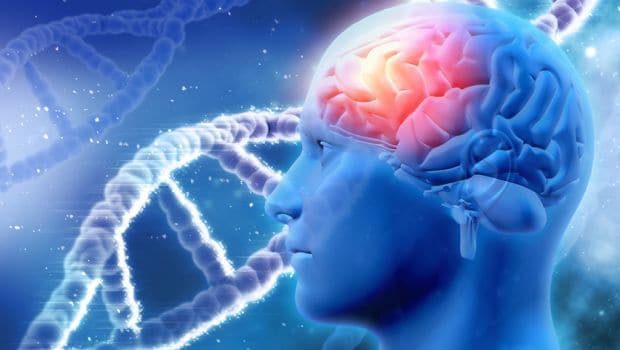
A region in the brain called the Inferior Frontal Cortex regulates our thoughts and emotions
( Also read : Yoga May Help Overcome Anxiety Disorders )
 People who have a smaller volume IFC have higher levels of anxietyFor the study, experts analysed 62 students, collected brain structural data from neuro-imaging scans and used standard questionnaires to determine their level of anxiety and predilection for negative bias. Interestingly, researchers discovered major differences in the brains of young adults who were healthy otherwise. Their findings also found that the relationship between the size of the Inferior Frontal Cortex and a person's negative bias was mediated by their level of anxiety.The study concluded that people who have a smaller volume IFC have higher levels of anxiety while those who have larger IFCs tend to have lower levels of anxiety. Anxiety disorders can cause a lot of distress and disrupt your daily life. If not controlled, they may lead to severe mental illnesses.

 Should Machines Decide Who Lives And Dies In A War? Ex-CIA Chief Answers
 Kriti Sanon Says Instagram Has No Option To Report AI-Generated Images Of Her
 What Anthropic, Monks And The Cusp Of Consciousness Teach About Tomorrow
 Nikhil Kamath's Big AI Bet: Why India Should Look Beyond Silicon Valley
 When Will India Get Its Own Apple, Samsung? Ashwini Vaishnaw Reveals Timeline
 Neeru Saini On Fitness, Focus & Her Love for Churma!
 NDTV Lifeline- Himanshu Saini on the Secret to Eating Well: More Greens, Healthier Desserts
 Hockey Champions Savita Punia & Neha Goel on Fitness, Recovery & The Meaning of Health
 Millets: The Superfood That's Good for You and the Planet
 Yoga, Millets, Vaccines: S Jaishankar On How India Is Building Stronger Ties | NDTV World Summit
( Also read : Yoga May Help Overcome Anxiety Disorders )

The researchers believe that by understanding the relation between the brain structure, function and personality traits scientists can develop interventions to target specific brain regions to deal with several mental health problems.