

Parkinson's disease is common in people above the age of 60
Scientifically speaking, Parkinson’s disease involves the malfunction and death of critical nerve cells in the brain which are called neurons. Some of these affected neurons produce a chemical called dopamine which sends messages to the part of the brain which controls movement and coordination. With the progress of disease, the amount of dopamine produced decrease and thus, a person may not be able to control his movements normally. Risk factorsParkinson's mostly strikes people as they age and only about 4 per cent of the total cases around the world have been found in people below the age of 50. So, the most important risk factor for Parkinson's is age but other factors may be genetic, hereditary or rare cases exposure to some kind of toxins.
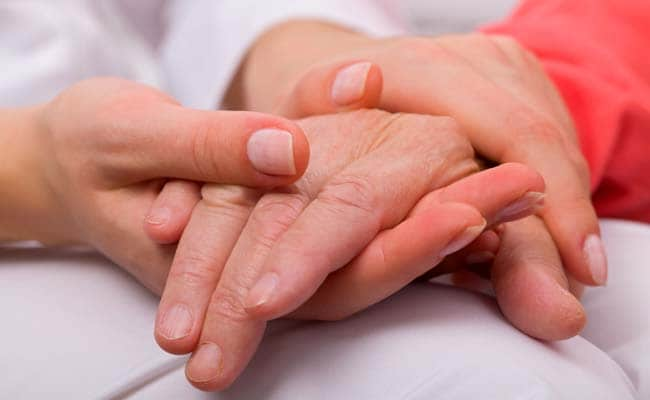
 Parkinson's is not curable but the symptoms can be managedSymptoms of Parkinson's DiseaseIt can be hard to diagnose Parkinson's disease as symptoms may vary from person to person but these are some of the common symptoms that you should look out for.1. Tremors or shaking of the hands and legs
2. Slow movement
3. Stiffness of the limbs
4. Impaired balance and coordination
5. Loss of smell
6. Trouble walking or moving
7. Sudden movements during sleepThese symptoms are easy to identify but there may be other warning signs that indicate Parkinson's and are not related to movement at all like change in speech, increased urinary frequency and urgency, and cognitive impairments.Is Parkinson's disease curable?There has been no cure of Parkinson's disease but there are treatments available to control the disease and manage the symptoms. There are medications available to restore the balance of neurotransmitters like dopamine in the brain. In severe cases, doctors may also recommend the implantation of a deep brain stimulator or DBS.Recently, a group of scientists from the Karolinska Institutet in Sweden seemed to have brought us closer to a cure for Parkinson's disease. In a study, published in the journal Nature Biotechnology, they have found a way to replace the brain cells destroyed by the disease with the help of stem cell technique or cell reprogramming which is a process that involves converting one cell type into another.

 Why 'Healthy' Mojtaba Khamenei Can't Appear In Public, Reveals Iran Diplomat
 'Needs Very Rapid New Concept Of Warfare': Ex-CIA Chief's Advice To India
 'US Never Apologised': Iran Diplomat On Primary School Bombing
 AI Divine, AI Gods And Phantoms: BAPS Monk's Warning At NDTV World Summit
 "Hundred Million Buddhas Better Than Millions Of Einsteins": BAPS Monk On AI
 Why "Healthy" Mojtaba Can't Appear In Public, Reveals Iranian Diplomat
 A Region in Flux: Who Will Shape the Middle East’s Future?
 "It's A Genocide": Palestine Ambassador On Conflict With Israel
 Iranian Diplomat On The Human Cost Of War: 'Parents Are Still Crying'
 Anarchy Or Change? Nepal Minser's Lesson From Nepal's Gen Z Movement
Scientifically speaking, Parkinson’s disease involves the malfunction and death of critical nerve cells in the brain which are called neurons. Some of these affected neurons produce a chemical called dopamine which sends messages to the part of the brain which controls movement and coordination. With the progress of disease, the amount of dopamine produced decrease and thus, a person may not be able to control his movements normally. Risk factorsParkinson's mostly strikes people as they age and only about 4 per cent of the total cases around the world have been found in people below the age of 50. So, the most important risk factor for Parkinson's is age but other factors may be genetic, hereditary or rare cases exposure to some kind of toxins.
2. Slow movement
3. Stiffness of the limbs
4. Impaired balance and coordination
5. Loss of smell
6. Trouble walking or moving
7. Sudden movements during sleepThese symptoms are easy to identify but there may be other warning signs that indicate Parkinson's and are not related to movement at all like change in speech, increased urinary frequency and urgency, and cognitive impairments.Is Parkinson's disease curable?There has been no cure of Parkinson's disease but there are treatments available to control the disease and manage the symptoms. There are medications available to restore the balance of neurotransmitters like dopamine in the brain. In severe cases, doctors may also recommend the implantation of a deep brain stimulator or DBS.Recently, a group of scientists from the Karolinska Institutet in Sweden seemed to have brought us closer to a cure for Parkinson's disease. In a study, published in the journal Nature Biotechnology, they have found a way to replace the brain cells destroyed by the disease with the help of stem cell technique or cell reprogramming which is a process that involves converting one cell type into another.