



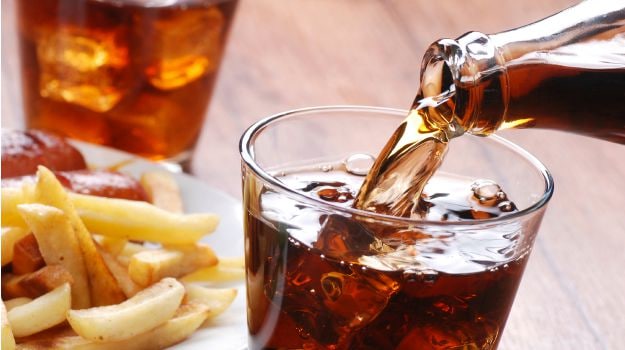
Reducing the intake of sugary drinks by one serving a week for an year can increase "good" cholesterol levels in children, a new study has found. Researchers from Tufts University found there was an inverse association between sugary drinks and HDL (good) cholesterol increases.
Baseline SSB intake was self-reported and fasting blood lipid concentrations were taken in 613 children and adolescents. At baseline, approximately 85 percent of children reported consuming SSBs. Among 613 children, higher triglycerides were linked with higher SSB intake."The increase in good cholesterol was greatest among children who decreased their intake by one or more servings of SSBs per week compared to those whose intake stayed the same or increased.

 Should Machines Decide Who Lives And Dies In A War? Ex-CIA Chief Answers
 Kriti Sanon Says Instagram Has No Option To Report AI-Generated Images Of Her
 What Anthropic, Monks And The Cusp Of Consciousness Teach About Tomorrow
 Nikhil Kamath's Big AI Bet: Why India Should Look Beyond Silicon Valley
 When Will India Get Its Own Apple, Samsung? Ashwini Vaishnaw Reveals Timeline
 Neeru Saini On Fitness, Focus & Her Love for Churma!
 NDTV Lifeline- Himanshu Saini on the Secret to Eating Well: More Greens, Healthier Desserts
 Hockey Champions Savita Punia & Neha Goel on Fitness, Recovery & The Meaning of Health
 Millets: The Superfood That's Good for You and the Planet
 Yoga, Millets, Vaccines: S Jaishankar On How India Is Building Stronger Ties | NDTV World Summit
Baseline SSB intake was self-reported and fasting blood lipid concentrations were taken in 613 children and adolescents. At baseline, approximately 85 percent of children reported consuming SSBs. Among 613 children, higher triglycerides were linked with higher SSB intake."The increase in good cholesterol was greatest among children who decreased their intake by one or more servings of SSBs per week compared to those whose intake stayed the same or increased.
"Not only are most SSBs high in sugar and devoid of nutritional value but they are displacing other foods and beverages that offer high-nutritional quality, critical for children's growth and development," noted senior study author Jennifer Sacheck. The findings, published in the Journal of Nutrition, reinforce the importance of minimising consumption of SSBs among children and adolescents.