


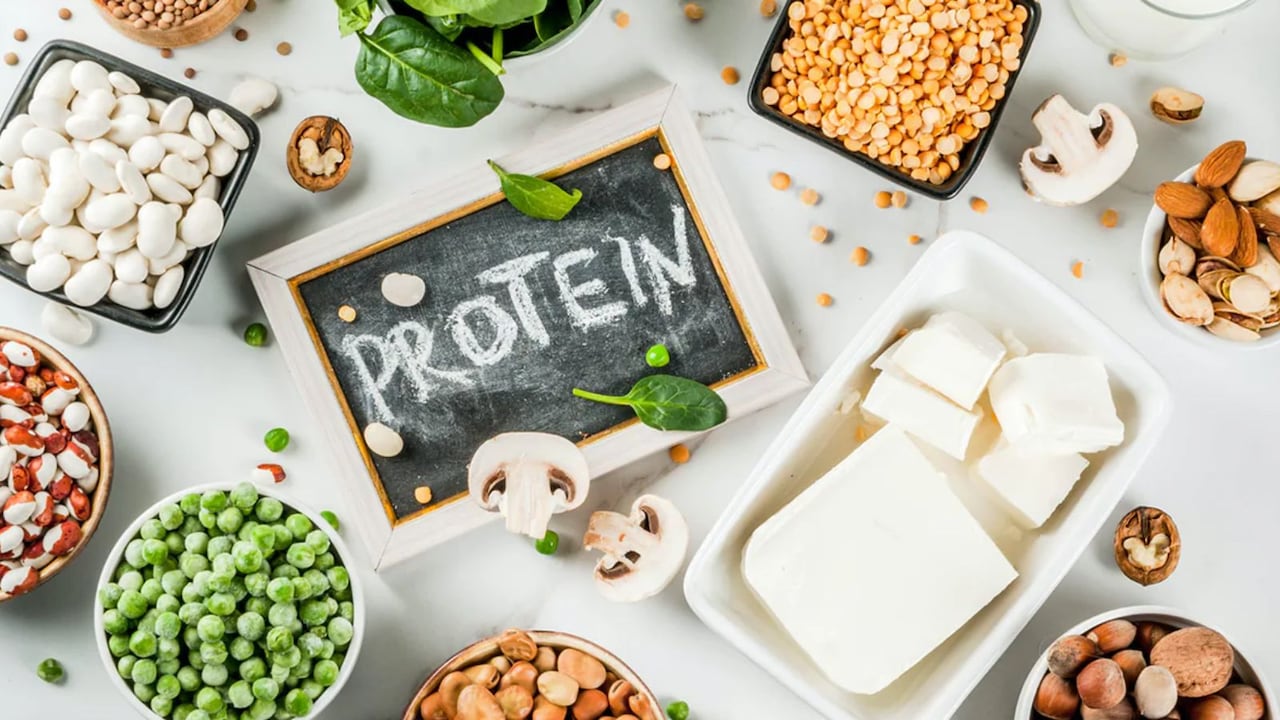
When it comes to consuming a high-protein diet, the first thing that comes to mind are chicken and eggs. But for vegetarians, the same question comes up again and again - what to eat for high-protein instead? Well, the answer is not limited to paneer or a protein shake. Thankfully, Indian kitchens already have several options. On World Vegetarian Day 2026, let's have a look at some of these foods and how they compare with similar non-vegetarian protein sources.
Also Read: Which Roti Is Best For Diabetics? Expert Weighs In
How Much Protein Do Chicken And Eggs Have?
Before we start listing some good high-protein vegetarian options, here's how much protein you can get from two popular non-vegetarian options. According to The Indian Food Composition Tables (IFCT), when it comes to 100 grams of skinless chicken breast, it contains 21.81 grams of protein.
100 grams of raw whole eggs give you 12.5 grams of protein, as per a study published in Food Science & Nutrition. Since one egg weighs less than 100 grams, one whole egg can give you around 6-7 grams of protein.
Here Are Some Vegetarian Foods That Can Surprisingly Match A Non-Veg Diet
1. Soybean: 36g Protein Per 100g
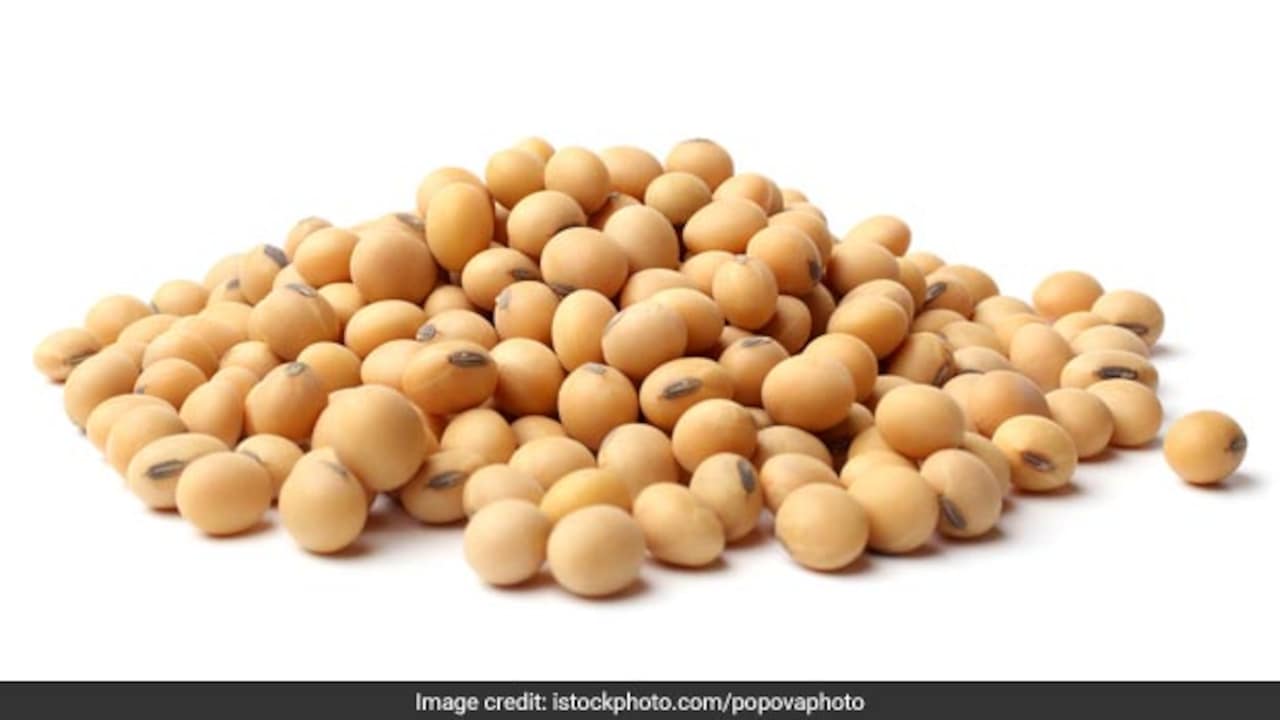
Soybean is one of the most protein-rich vegetarian foods. The IFCT notes around 36g protein per 100g of brown soybean. Soy is also a good source because its protein contains all the essential amino acids, and research has found most soy products to have relatively high protein quality.
2. Masoor Dal: Around 25g Protein Per 100g
Dry lentils are another useful option for vegetarians. Depending on the variety, 100g of raw lentils provides roughly 24-25g protein. Of course, 100g of dry dal becomes considerably heavier after cooking as it absorbs water, so cooked and dry weights should not be compared directly.
3. Toor Dal: Around 22g Protein Per 100g
The everyday arhar dal also adds a good amount of protein. The IFCT lists approximately 21-22g protein per 100g of raw toor dal. This makes dal an important protein source in an Indian vegetarian meal, even though a normal serving is much smaller than 100g of dry dal.
4. Paneer: 18.9g Protein Per 100g
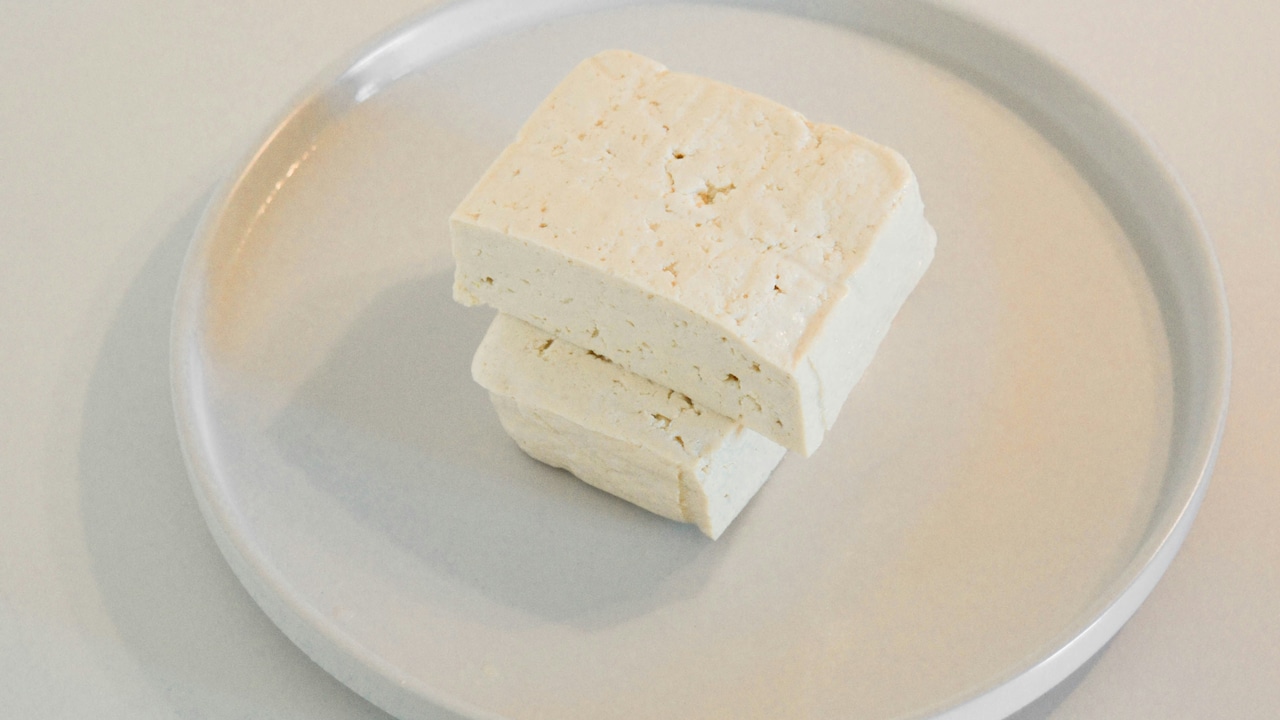
Photo: Unsplash
Paneer may be the easiest option for many Indian households. According to the IFCT, 100g paneer contains around 18.9g protein. It can be used in familiar dishes such as bhurji, tikka or stuffed parathas, making it easier to add protein without changing the meal completely.
5. Rajma: Around 20g Protein Per 100g
Dry rajma contains roughly 20g protein per 100g. It also provides dietary fibre, making it a useful addition to a vegetarian diet. Once cooked, however, its protein concentration per 100g falls because the beans absorb water.
6. Moth Beans: Around 20g Protein Per 100g
Matki or moth beans are another Indian option that often gets less attention than rajma and chana. The IFCT records around 20g protein per 100g of dry moth beans. They can be used in usal, curries or sprouts.
Also Read : This Quick And Easy Amla Rasam Recipe Is Perfect For Changing Weather
Does A Vegetarian Diet Provide Enough Protein?
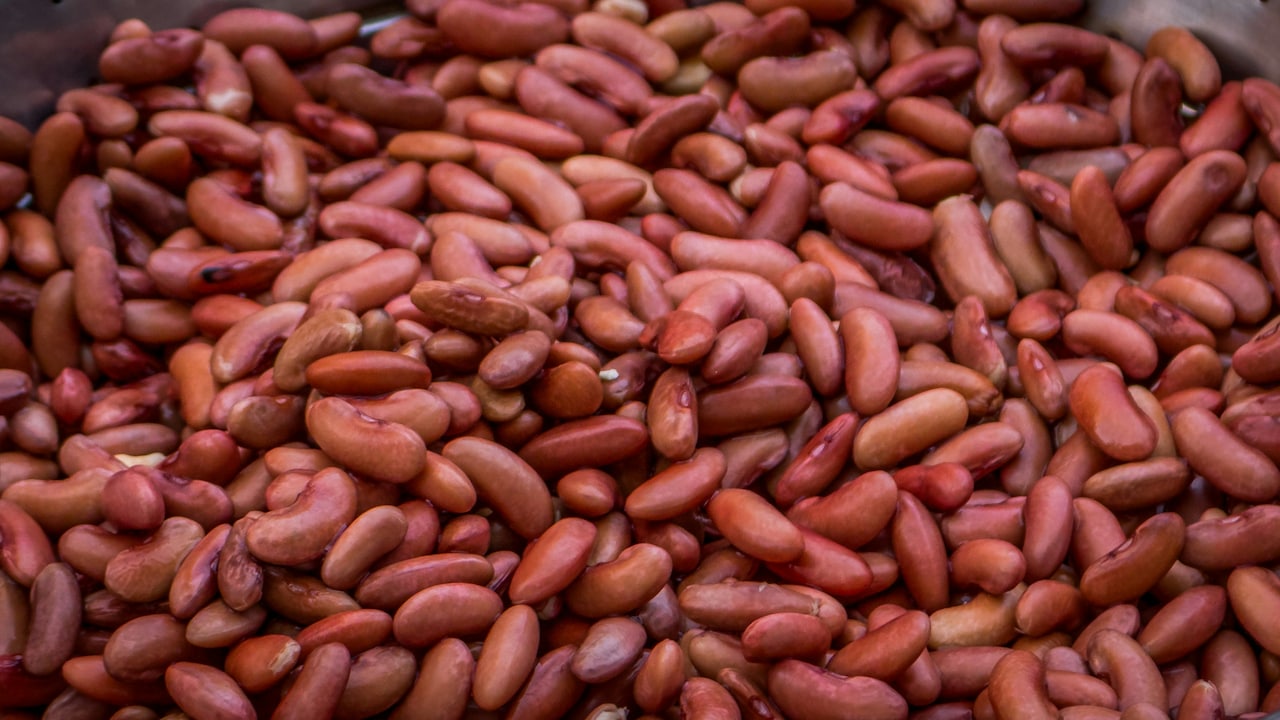
Photo: Unsplash
Yes. A review published in Nutrients found that protein-rich plant foods like legumes, nuts and seeds can provide good amount of protein for adults following vegetarian diets when consumed as part of a balanced eating pattern. Researchers noted that concerns about protein inadequacy in well-planned vegetarian diets are often overstated.
There is also a useful note here. Matching chicken gram-for-gram is not the only measure of a food's value. Protein quality, digestibility, serving size and what else is eaten during the day matter too. For an Indian vegetarian diet, pairing cereal-based foods with pulses, dairy or soy can help diversify protein sources.
So, this World Vegetarian Day, the point is not to find one vegetarian food that behaves exactly like chicken or eggs. It is to look beyond the usual suspects. Dal, rajma, matki, soybean and paneer are already part of Indian food culture. They can also make a meaningful contribution to your daily protein intake.