


Making sabudana vada at home can feel incredibly rewarding, especially when the exterior turns crisp and the inside stays soft and flavourful. Yet many home cooks find themselves struggling with texture, binding or oil absorption. Even a small misstep in soaking or mixing can affect the final result. The good news is that these mistakes are easy to avoid once you know what to look out for. With a little attention to detail, you can enjoy perfect sabudana vadas that taste just as delightful as the ones sold outside.











Common Sabudana Vada Mistakes And How To Avoid Them
1. Soaking sabudana for too long or too little
Incorrect soaking is one of the biggest reasons behind soggy or hard vadas. If the pearls are soaked for too long, they turn mushy and absorb excess oil when fried. If soaked too little, the vadas become chewy and difficult to bind. The pearls should become soft when pressed but still hold their shape.
Also Read: How To Make Sabudana Tikki Crispy: 6 Simple Tricks That Work Every Time
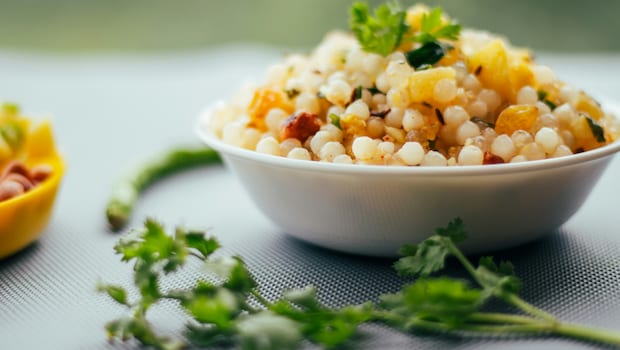
Photo Credit: Unsplash
2. Not draining excess water properly
Even correctly soaked sabudana can become problematic if not drained well. Extra moisture in the mixture causes the vadas to fall apart during frying. Make sure all water is strained and the pearls rest for a while so the surface moisture evaporates. This helps the mixture stay firm and fry evenly.
3. Using too much or too little potato for binding
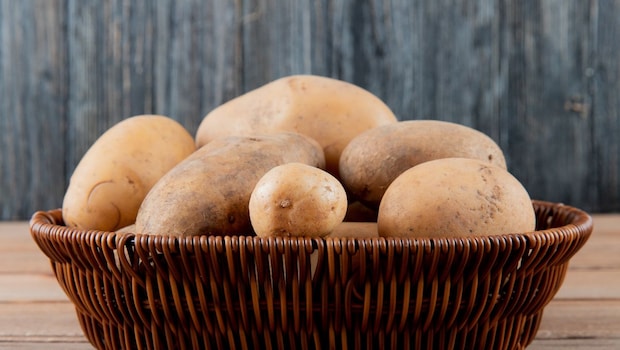
Potatoes work as the key binder in sabudana vada, but using the wrong amount can spoil the texture. Too much potato makes the vadas dense and heavy, while too little causes them to break. The mixture should feel soft yet stable, holding its shape when pressed lightly.
4. Adding peanuts without roasting or crushing properly
Raw or unevenly crushed peanuts affect both taste and crunch. Roasting enhances flavour and removes moisture, which helps the vadas stay crisp. The peanuts should be coarsely crushed so they add texture without overpowering the mixture or causing cracks.
5. Frying at the wrong temperature
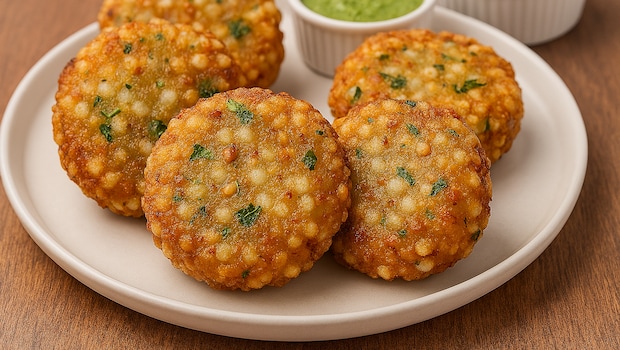
If the oil is too hot, the vadas brown quickly on the surface but stay raw inside. If the oil is not hot enough, they absorb too much oil and turn greasy. The oil should be moderately hot so the vadas cook slowly and evenly, becoming crisp on the outside and soft inside.
6. Overmixing the dough
Mixing the ingredients too much breaks the sabudana pearls and makes the mixture sticky. This leads to a pasty texture once fried. Combine the ingredients gently so the pearls stay intact and the mixture remains airy and light.
7. Shaping uneven vadas
Different sizes and thicknesses cause uneven frying. Smaller ones cook faster while larger ones stay undercooked. Flatten the vadas slightly and make sure they are of similar size so they cook at the same pace and develop a uniform crispness.
Also Read: 6 Healthy Alternatives To Sabudana You Will Want In Your Navratri Thali
8. Skipping resting time before frying
Letting the shaped vadas rest for a few minutes helps them firm up. This step prevents breakage and ensures the mixture binds well while frying. Even a short resting period makes a noticeable difference in texture and stability.
With these tips in mind, your sabudana vadas will turn out perfect every time.