

A while ago, a very unusual piece of history started circulating online. It was a royal menu from 1897 that looked straight out of a French fine-dining restaurant. It was from a grand dinner hosted at the stunning Laxmi Vilas Palace by the Maharaja of Baroda for the Maharaja Scindia of Gwalior. And what caught everyone's attention was the food.
The menu was filled with fancy French names, truffles, artichokes, rich creams, and roasted meats. It felt more Paris than princely India. Naturally, the internet had opinions. Some people were fascinated. Others questioned why an Indian royal menu looked so European.
Now, another menu from the same occasion has surfaced, and this one tells a completely different story.
What Maharaja Of Baroda Served Maharaja Scindia Of Gwalior For Breakfast
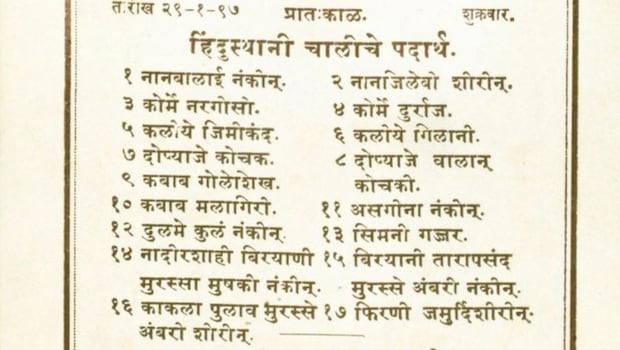
Shared by X user Devashish Kulkarni, this newly found menu is dated January 29, 1897, just two days before the French-style dinner. Instead of French dishes, this one is full of Hindustani and traditional Brahminical food.
Also Read: Viral Menu From 1897 Shows What Maharaja Of Baroda's Dinner For Maharaja Of Gwalior Had
What Did The Royals Eat That Morning?
The menu is divided into sections, and the first one is titled “Hindustani dishes,” and what a spread it is! There are rich kormas like Korme Nargoso and Korme Durraj and earthy dishes like Kaloye Jimikand (made with yam). The menus also feature some flavour-packed dopyaza-style preparations and a variety of kebabs, including Kebab Golosheikh and Malagiri.
And then come the stars of the table: Nadirshahi Biryani with Mursa Mushki Nankin, Biryani Tarapasand with Mursa Ambari Nankin, and Kakla Pulav with Mursa Amber Shoron. These dishes sound rich, aromatic, and incredibly elaborate, exactly what you'd expect at a royal table.
Also Read: Where Did Samosa Come From? Viral Post Questions Its Origin With '500-Year-Old' Recipe
Then comes a section for Brahminical dishes. This part of the menu includes an incredible lineup of desserts, like motichur laddoo, kesharibhat, mugdal, srikhand puri, jalebi, gheevar, and puran poli. These are the kinds of dishes many Indian households still recognise today.
Just when you think this menu is completely traditional, you spot a French-style dessert: jelly panaché with pineapple whipped cream. It shows that even in a largely Indian spread, global influences were present.
This menu has sparked fresh conversations online on how Indian royals were curating diverse menus, reflecting both tradition and global exposure.