



Street food is often celebrated as one of the most vibrant aspects of a city's food culture, offering affordable and diverse culinary experiences. However, a newly revealed collection of public health complaints from Los Angeles County has cast a spotlight on the challenges of maintaining food safety standards in the sector.
According to records obtained by the California Post through a public records request, nearly 10,000 complaints were filed against street food vendors between 2023 and early 2026, alleging issues ranging from poor hygiene to unsafe food handling.
The disclosures have emerged amid a policy shift by Los Angeles Mayor Karen Bass, who recently directed police to stop issuing criminal citations to street vendors operating without permits.
Dog Eating Meat From Vendor's Bag, Cockroaches In Food Trucks, More
The California Post reported that a 662-page dossier contained 9,746 public health complaints, submitted to the Los Angeles County Department of Public Health from 2023 through early 2026.
Among the allegations were reports of a dog eating meat from a vendor's bag before the food was allegedly served to customers, cockroaches emerging from food trucks, mice running near open containers of salsa, unrefrigerated raw meat left in hot conditions, and people allegedly urinating near cooking equipment.
One complaint about a taco stand near Hawthorne Boulevard alleged that workers lacked access to handwashing facilities and did not change gloves while handling food.
According to the complaint, "there was also a dog eating meat from the bag and the guy still continued to serve the meat from that bag." The report said the case was marked as "closed".
Also Read: Costco Croissant Viral Video Sparks Debate: Do Cafes Lie About Food Being House-Made?
Complaints Of Mice, Food Left In The Sun
Another complaint filed near Los Angeles International Airport (LAX) alleged that open salsa and condiments were being kept close to trash bins while mice were seen nearby. The complaint was reportedly categorised as "cancelled".
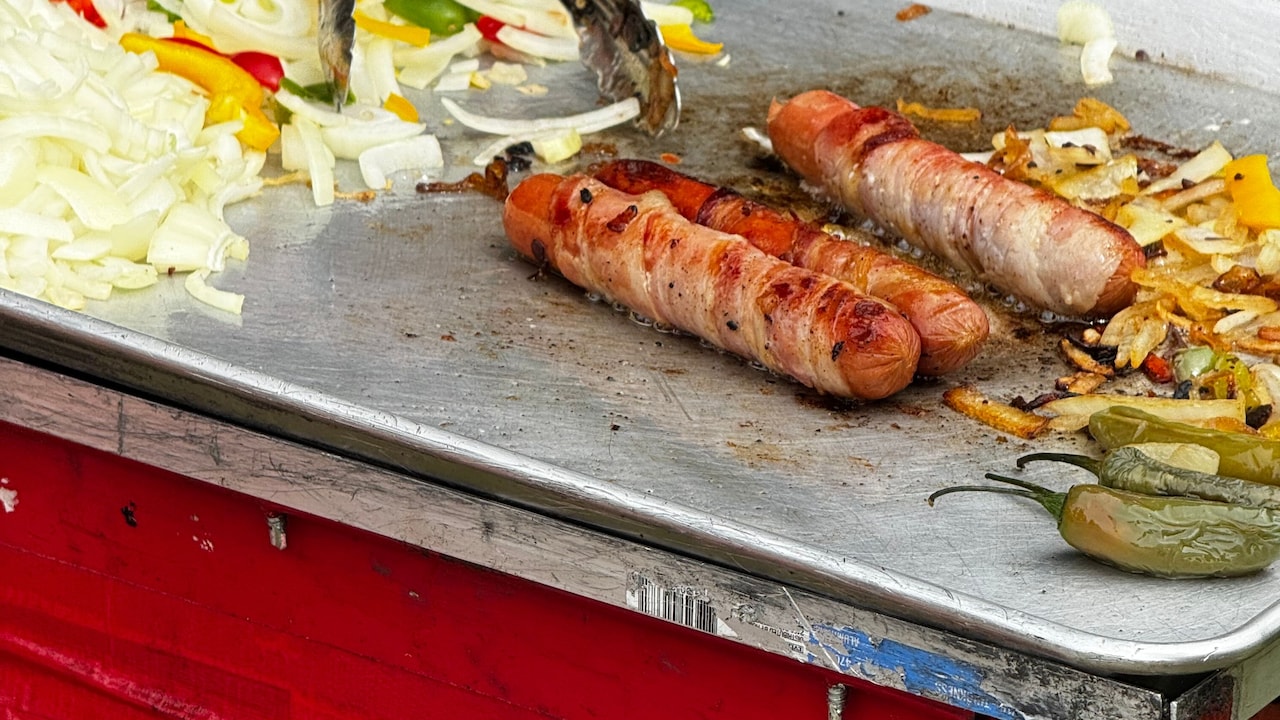
In Venice Beach, a complainant alleged that hot dogs, buns and condiments were left exposed and "heating in the sun all day long". The complaint was reportedly considered "justified", although no further details about any action taken were made public.
According to the California Post, the Los Angeles County Department of Public Health did not provide details about what the complaint outcomes meant or whether enforcement action followed.
Health Department Shares Vision
According to the report, the public health department said it has shifted its focus away from direct enforcement against individual unpermitted sidewalk vendors and is targeting larger organisations that oversee many street-level vending operations.
The agency stated that its goal is to conduct enforcement efforts "at the source" rather than focus solely on individual vendors.
Also Read: Man Eats 66 Hot Dogs In 10 Minutes, Wins Rs 9.5 Lakh At Annual Eating Competition In US
Permit Rules For Street Food Vendors
In Los Angeles, sidewalk vendors are required to obtain a city vending permit. Vendors selling food must also secure a public health permit from Los Angeles County.
While the county is responsible for food safety oversight, city authorities enforce regulations governing where and how vendors can operate.
Mayor Karen Bass Backs Street Vendors
The revelations have surfaced as Mayor Karen Bass announced that her administration "stands firmly with street vendors". Last week, she directed the Los Angeles Police Department (LAPD) to stop issuing criminal citations to vendors, including those operating without required permits or in locations where vending is restricted.
According to the report, the mayor's administration is also working to dismiss criminal citations that she believes were improperly issued.
Thousands Of Street Food Vendors Operating, Few Permitted
Los Angeles is estimated to have around 50,000 street vendors operating across the city. However, figures cited in the report show that only 687 active vending permits had been recorded as of September 2024. Of those, just 53 were issued to food vendors.
Disclosure of the shocking complaints from 2023 to 2026 has reignited discussions around balancing support for street food entrepreneurs with the need to maintain public health and food safety standards in one of America's largest street food economies.