



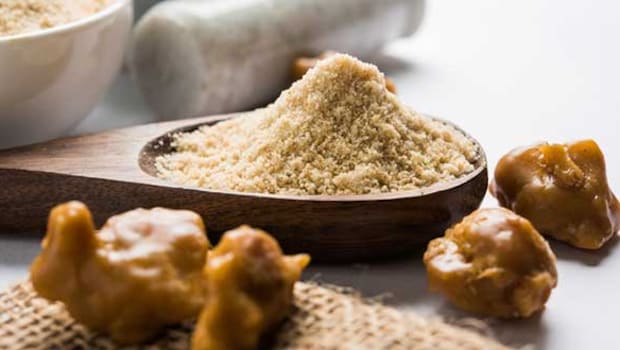
Ever wondered how hing is made? This popular Indian spice, also known as asafoetida, is derived from the resin of the Ferula plant, which is native to the Middle East and parts of Asia. Afghanistan is one of the primary producers of hing, with most of its production coming from the Herat province. A video shared on Instagram reveals the entire process of making hing. The clip begins with a group of men collecting the Ferula plant by making cuts in the roots. The next step is to dry the pungent resin in the sun until it forms solid lumps, which are then ground into powder. The process involves carefully digging up the roots, extracting the resin, sun drying it, and finally milling it into the familiar yellow spice used in kitchens across India.
Also Read: 'It Knows My Schedule': Bengaluru Man Hands Over His Swiggy Orders To AI, Internet Reacts
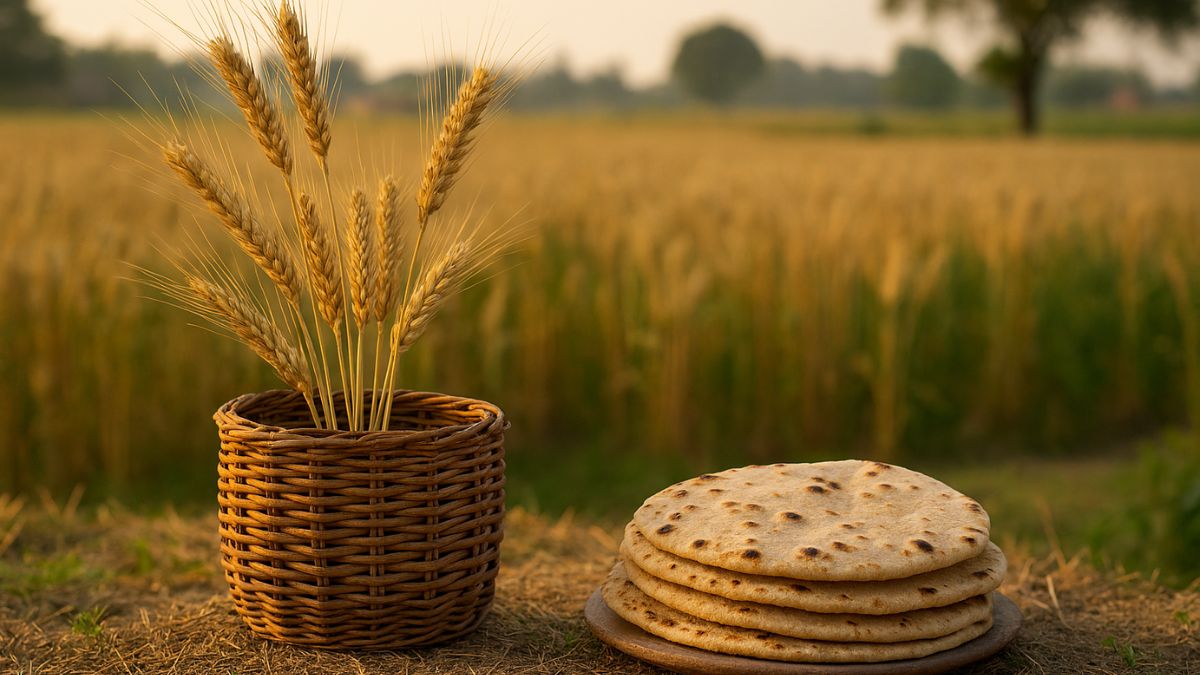
Pure hing is imported from Afghanistan and is often very expensive for middle class households. So what are we consuming in the name of hing? The variant most of us use in our food is made with wheat flour, edible gum and about 5 to 10 per cent hing mixture. This is the most common form found in retail and is widely used in homes, restaurants and catering services.
Check out the full video below:
Also Read: Viral Video Shows Coffee Being Poured Into Pani Puri, Foodies Divided
The video went viral on Instagram, with several users sharing their thoughts and opinions in the comments section.
One user wrote, "I have original hing pieces and yes, in the market they add flour while making the powder. Pure hing pieces are also available in our Indian spice markets."
Another added, "Now how do we know that we are eating fake hing when we buy it from a branded company?"
A foodie shared, "Hing is a resin. In its original form, it is very strong and pungent in odour. Hence, direct use of the resin may not be feasible. It is compounded with wheat or rice flour so that the resin does not stick together and can be easily added to food in powdered form. Forty to sixty per cent wheat or rice flour is used, the rest is hing resin."
"Is there anything real in India or not?" asked a viewer.
What do you think of the video? Let us know in the comments section below.