



India's relationship with food begins much before ingredients reach kitchens, thalis or markets. It begins in the vast stretches of farmland that quietly power the country's food bowl. Every roti, paratha and bowl of rice has its story rooted in soil - soil that has sustained families, influenced migration patterns, shaped regional cuisines and strengthened India's food security for decades. Some states produce specific crops in abundance, while others diversify to meet regional demand. But among them, one state stands apart for its historic contribution to India's grain reserves, its transformation during the Green Revolution, and its long‑standing reputation for feeding millions. For decades, this state has remained central to India's agricultural narrative, earning a nickname tied directly to its fields and farmers.
Also Read: 10 Signs You're The Biggest Tiramisu Fan
Punjab Is Known As The 'Bread Basket Of India'
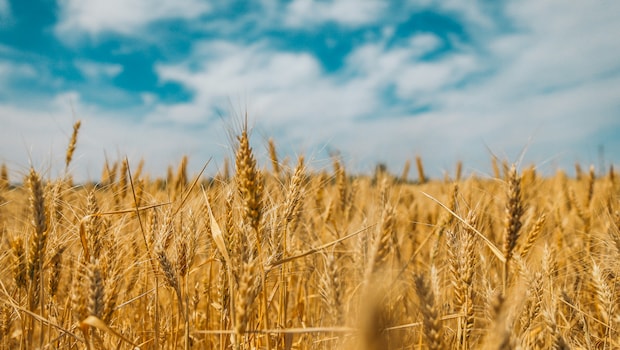
Photo: Unsplash
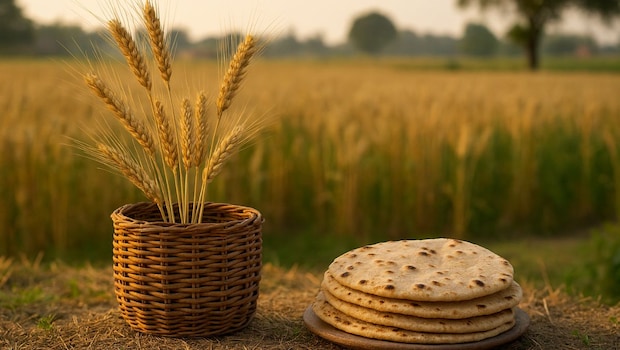
Punjab earns this name because of its exceptionally high production of wheat and rice, the two staple grains that form the base of Indian meals. Despite its relatively small geographical size, Punjab consistently contributes a significant share of wheat and rice to the central food grain reserves, supplying states across the country through the Public Distribution System (PDS).
Why Punjab Holds This Title
Several factors make Punjab India's bread basket:
- Fertile alluvial soil formed by rivers like the Sutlej, Beas and Ravi
- Extensive irrigation systems, including canals and tube wells
- High-yield farming practices introduced during the Green Revolution
- Farmer expertise passed down through generations
During the Green Revolution of the 1960s and 70s, Punjab emerged as a leader in adopting high-yield crop varieties, transforming India from a food-deficient country into a self-sufficient one.
Key Crops That Define Punjab's Agriculture
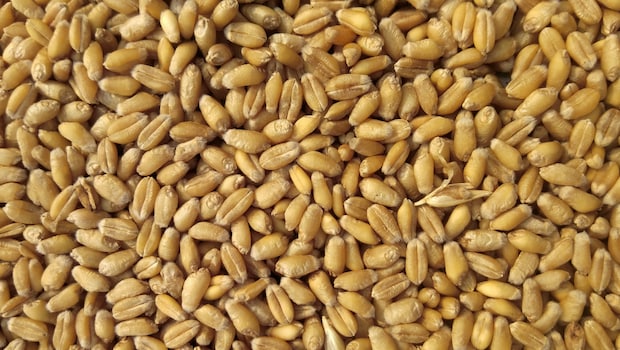
Photo: Unsplash
Punjab's bread basket status comes primarily from:
- Wheat – The state is one of India's largest wheat producers
- Rice (Paddy) – Especially important for national food stocks
- Maize, barley and pulses – Grown in smaller quantities
These grains eventually form everyday foods across India - from rotis and parathas to rice-based meals.
Food Culture Rooted In Grain Abundance
Punjab's agricultural richness is reflected directly in its food. Wheat-heavy meals dominate local cuisine, with dishes like:
- Makki di roti
- Phulkas and tandoori rotis
- Parathas made with ghee
Grain abundance supports a food culture that is hearty, filling and deeply farm-connected.
Also Read: 5 Sweet Potato Dishes You Can Make Under 15 Minutes
Is Punjab The Only Bread Basket?
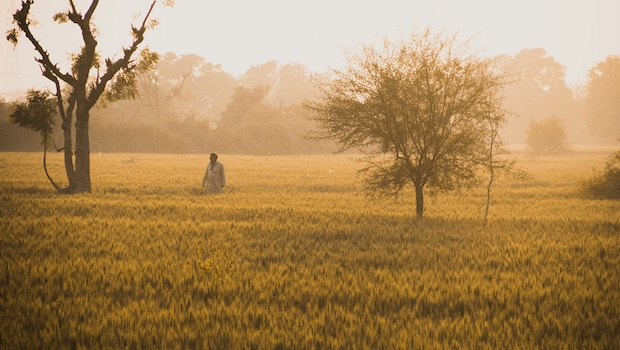
Photo: Unsplash
While Punjab is the most commonly recognised Bread Basket of India, states like Haryana and western Uttar Pradesh also play major roles in grain production. However, Punjab's historical impact, productivity levels and contribution to national reserves give it a unique and widely accepted identity.
Punjab's role as the Bread Basket of India goes beyond statistics. It represents decades of agricultural innovation, farmer resilience, and a deep connection between land and food. Every loaf, roti or bowl of rice has roots that trace back to fields like these - making Punjab an indispensable part of India's food story.