




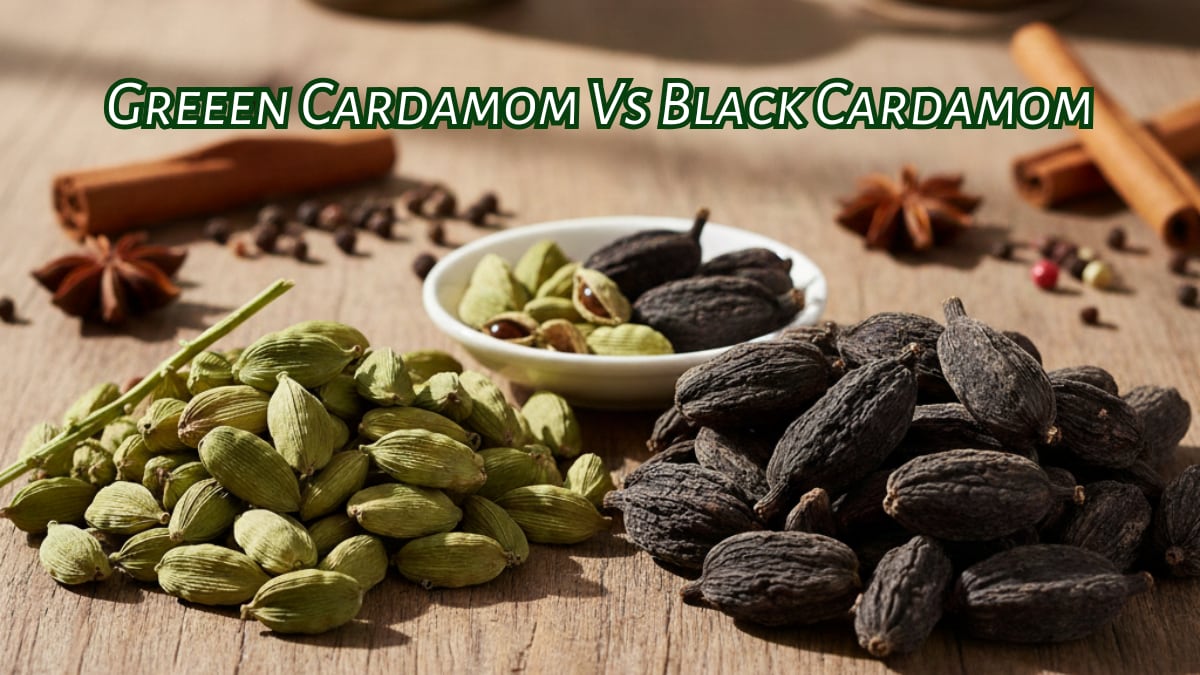
Cardamom is one of those spices that feels instantly familiar in Indian kitchens: aromatic chai, festive sweets, slow-cooked biryanis, and richly spiced curries all owe something to it. Green cardamom and black cardamom may share a name and botanical lineage, but in practice, they behave like two entirely different ingredients. Their aroma, flavour, intensity, and culinary roles diverge so sharply that confusing one for the other can change the character of a dish altogether. Understanding the difference between green and black cardamom can help you learn why a dessert tastes perfumed rather than smoky, or why a curry feels warm and earthy instead of bright and fragrant. This guide breaks down what sets the two apart, how they are used, and why they are rarely interchangeable.
What Is Cardamom?
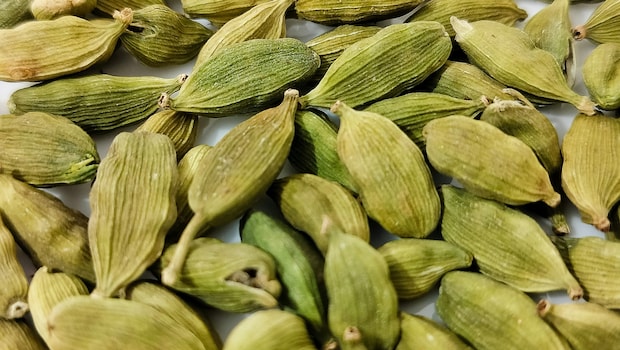
Photo Credit: Unsplash
Cardamom comes from the seeds of plants belonging to the ginger family and has been used for centuries across South Asia, the Middle East, and parts of Scandinavia. The spice is valued primarily for its aroma, which comes from essential oils trapped inside the pods. Over time, two varieties became staples in Indian cooking: green cardamom and black cardamom.
While both are harvested from related plants, they undergo very different processing methods after harvest. That single difference in how they are dried largely explains why one ends up tasting floral and sweet, while the other turns smoky and intense.
Green Cardamom: Fragrant, Sweet, And Versatile
Green cardamom is the variety many people instinctively think of when they hear the word "elaichi." Small, pale green pods enclose tiny black seeds that release a fresh, distinctive aroma when crushed. The flavour is complex but gentle: sweet, slightly citrusy, floral, and faintly spicy all at once.
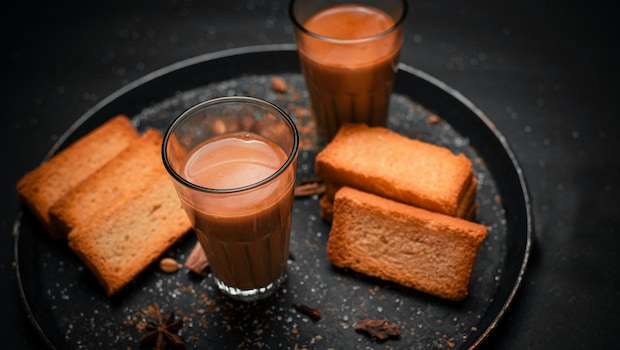
Photo Credit: Unsplash
This delicacy is precisely why green cardamom works so well in dishes where aroma matters as much as taste. In desserts, it enhances sweetness without overpowering it. In chai, it adds warmth and fragrance rather than heat. Even in savoury cooking, green cardamom is used sparingly to perfume rice, mild gravies, and festive dishes.
Another reason for its popularity is its adaptability. Green cardamom can move easily between sweet and savoury contexts without clashing. It blends smoothly with milk, sugar, nuts, and fruits, which is why it appears so often in Indian mithai, kheer, halwa, and baked goods. At the same time, it can quietly enhance pulao or light curries without being too noticeable.
Black Cardamom: Smoky, Robust, And Assertive
Black cardamom, known for its large, wrinkled, dark brown pods, has different applications. Unlike green cardamom, these pods are traditionally dried over open flames. This process infuses them with a pronounced smokiness that defines their flavour profile.
The aroma of black cardamom is earthy, camphor-like, and smoky, with a lingering depth that can dominate a dish if overused. This spice is not sweet, not floral, and certainly not subtle. Instead, it brings warmth and heaviness, which are qualities that work best in slow-cooked, robust preparations.
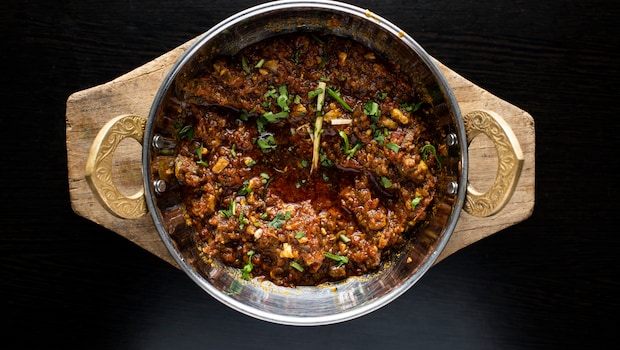
Black cardamom is generally used for smoky meat dishes. Photo Credit: Unsplash
This is why black cardamom is closely associated with meat dishes, lentils, and rich gravies. In biryanis, nihari, or slow-simmered dals, it adds a grounding base note that complements other whole spices like cloves and cinnamon. Unlike green cardamom, which often perfumes a dish from the background, black cardamom makes its presence known.
Also Read: Baking Soda Vs Baking Powder: When To Use Either Or Both
Green Cardamom vs Black Cardamom: Key Differences That Matter In Cooking
| Aspect | Green Cardamom | Black Cardamom |
|---|---|---|
| Appearance | Small, light green pods | Large, dark, wrinkled pods |
| Aroma & Flavour | Sweet, floral, mildly spicy | Smoky, earthy, intense |
| Drying Method | Sun-dried | Fire-dried |
| Intensity | Subtle and delicate | Strong and dominant |
| Cooking Behaviour | Releases aroma quickly; suits gentle or short cooking | Needs longer cooking; mellows with time |
| Best Stage to Add | Early in liquids or lightly crushed later | At the start with other whole spices |
| Typical Uses | Chai, desserts, sweets, light gravies | Biryanis, curries, dals, meat dishes |
| Quantity Used | Often several pods | Usually one pod |
| Aftertaste | Clean and fresh | Lingering, smoky |
| Interchangeable? | No | No |
Green Cardamom vs Black Cardamom: How Each Is Used In Indian Cooking
Indian cuisine rarely treats green and black cardamom as substitutes. Instead, each has a clearly defined role shaped by centuries of cooking tradition.
Green cardamom dominates sweets, beverages, and celebratory foods. It is the spice that makes desserts feel festive, and chai feel comforting. Even in savoury dishes, its role is usually restrained, enhancing aroma rather than defining flavour.
Black cardamom belongs firmly to the savoury side of the spectrum. It appears in garam masala blends meant for hearty dishes, in meat-based gravies, and in rice preparations where depth matters more than fragrance. Its smokiness echoes the flavours of slow cooking, making it especially suited to winter foods and richer meals.
Also Read: Seasoning vs. Flavouring: What's The Difference?
Can You Use Black Cardamom Instead Of Green Cardamom?
In most cases, the answer is no. Green and black cardamom are not interchangeable, even though they share a name. Their flavours are too distinct, and their roles too specific.
Trying to swap one for the other often leads to disappointing results. A dessert made with black cardamom can taste medicinal or overly smoky. A meat curry made with only green cardamom may feel aromatic but lack depth.
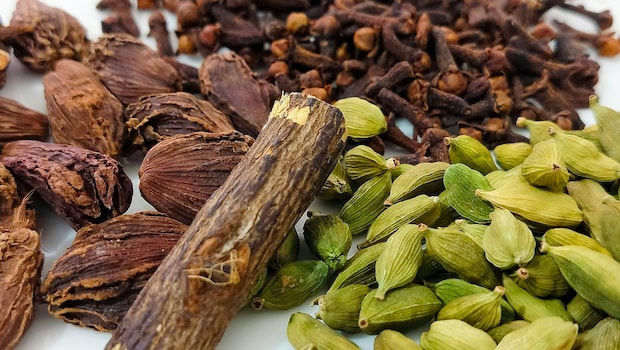
Photo Credit: Unsplash
There are rare situations where adjustments can be made, such as omitting black cardamom entirely rather than replacing it, or using green cardamom only for aroma in a dish that relies on other spices for depth. But substituting one directly for the other usually alters the dish's character significantly.
Understanding this distinction is especially important for home cooks following recipes closely. Knowing why a recipe calls for black cardamom helps prevent well-meaning substitutions that don't quite work.
Buying, Storing, And Using Cardamom Correctly
A few simple practices can help get the best out of both types of cardamom:
1. Choose good-quality pods:
Green cardamom should be bright, plump, and aromatic. Black cardamom pods should feel firm and smell strongly smoky, not dusty or hollow.
2. Store carefully:
Store both varieties in airtight containers, away from heat and light. Black cardamom should be kept especially well sealed, as its aroma can overpower other spices.
3. Know when to crush:
Crushing pods only when needed helps preserve essential oils and freshness.
4. Whole vs ground cardamom is different:
Using whole pods is generally better than pre-ground spice, particularly for black cardamom, which can turn bitter when ground too finely.
Green and black cardamom may share a name, but they serve entirely different purposes in the kitchen. One brings fragrance and lift, the other depth and smokiness. When used thoughtfully, each can elevate a dish in its own way.