



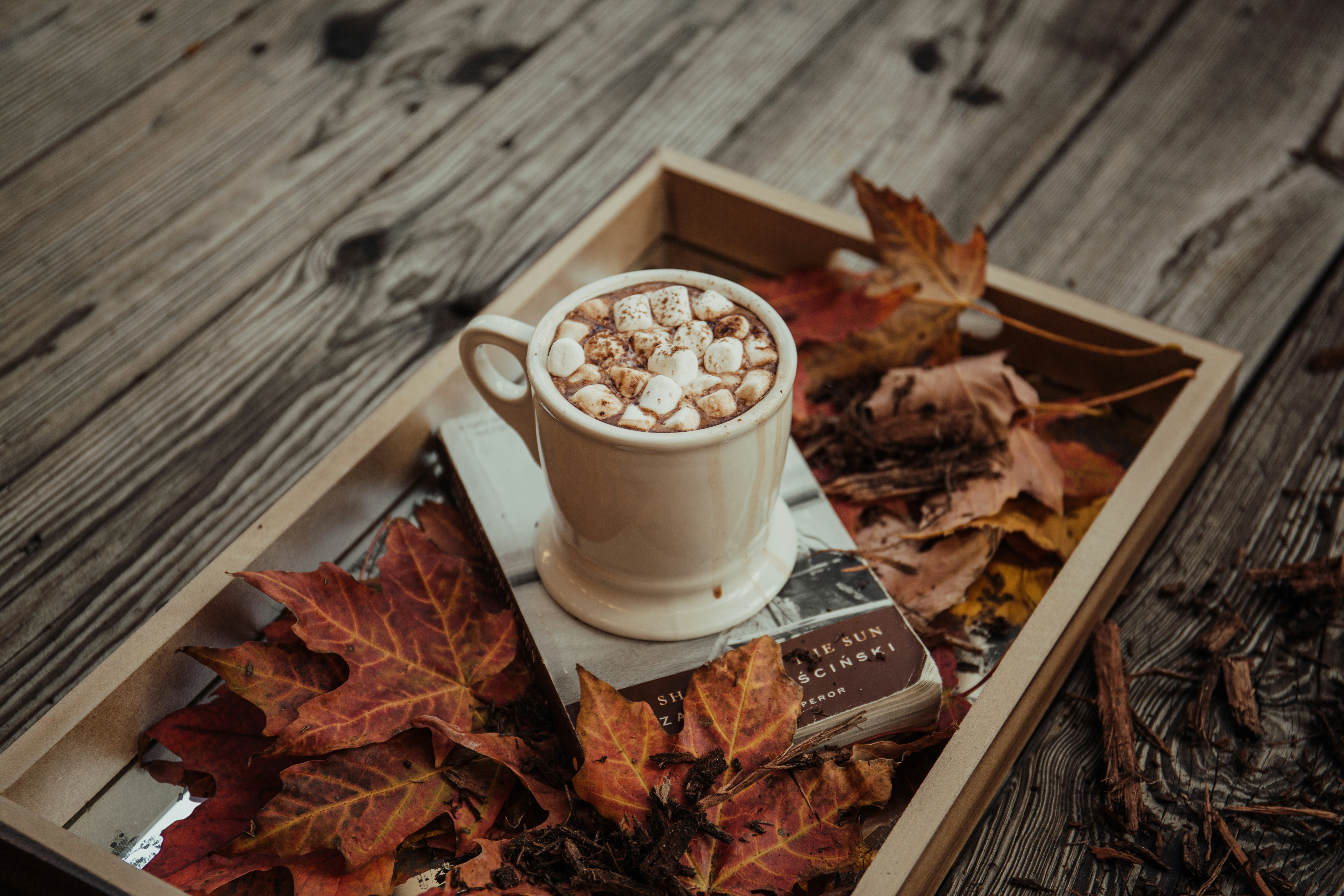
Hot chocolate is one of winter's greatest joys - a mug of warmth that feels like a hug, a dessert, and a nostalgic childhood memory all at once. Some prefer it thick and pudding-like, others silky and frothy. Some melt real chocolate blocks, others whisk cocoa into steaming milk. But no matter how you enjoy it, hot chocolate today is synonymous with indulgence and comfort.
What many don't realise, however, is that this beloved drink began not as a treat, but as a medicine. The history of drinking chocolate stretches back much further than the invention of hard chocolate bars we know today. On International Hot Chocolate Day on January 31, let's learn about this journey from an ancient remedy drink to a global winter favourite beverage, which is nothing short of fascinating.
A Medicinal Drink With Ancient Roots
While modern hot chocolate is creamy, sweet and luxurious, early "drinking chocolate" was bitter and spicy. Long before Europeans encountered cacao, Mesoamerican civilisations - including the Maya and Aztecs - consumed it as a nourishing, bitter beverage believed to have therapeutic powers.
Archaeological evidence shows that cacao was being used in drinks as far back as 1900-1500 BCE in the region, and traces of cocoa continue to appear at Maya sites from around 2000 BCE through to 250 CE.
Cocoa mixed with chilli, maize, spices, tree bark and even unusual additions like crushed animal parts was used to treat diarrhoea, fever, digestive troubles and respiratory issues. It was also believed to strengthen warriors before battle.
In these cultures, chocolate was not a dessert - it was sustenance, medicine and ritual.
Drinking Chocolate As A Medicine In Europe
When cacao reached Europe in the 16th century, it was initially regarded more as a drug than a food. Physicians of the time prescribed hot chocolate for a wide range of ailments:
- fits of anger and melancholy
- digestive disorders
- wasting and extreme thinness
- fever
- infections
- kidney stones
- weakness in the elderly
Due to the then-dominant Hippocratic and Galenic medical theories, which classified illnesses as hot, cold, wet, or dry, drinking chocolate was considered a healthy, balancing beverage. This medical reputation accelerated the popularity of cocoa and contributed to its lucrative trade.
What Went Into Medicinal Hot Chocolate?
Early European drinking chocolate was often thick, grainy and heavily spiced to mask bitterness. Ingredients included:
- cinnamon, nutmeg and chilli
- sugar or honey
- ground maize or flour for thickness
- medicinal herbs and tonics
- sometimes wine or eggs for nourishment
It was believed to strengthen the body, improve digestion and act as a gentle stimulant.
Hot Chocolate As A Nutritional Beverage
Physicians also recommended chocolate for patients suffering from wasting illnesses. It was commonly given to:
- the elderly
- the frail
- soldiers
- people recovering from a fever or an infection
Because cacao contains natural fat, carbohydrates and stimulating compounds, it was considered a complete drink capable of restoring strength.
How We Finally Arrived At Modern Hot Chocolate
The sweet, creamy version we enjoy today is a relatively recent creation. Several developments shaped the drink:
Industrial Chocolate Making
Advancements in chocolate processing in the 19th century - especially the invention of the cocoa press - made chocolate smoother and cheaper. This marked the shift from medicinal tonic to pleasurable beverage.
The Rise Of Sugar
As sugar became more widely available, drinking chocolate turned into a sweet, indulgent treat enjoyed in homes and cafes.
Milk Chocolate Arrives
Swiss chocolatiers introduced milk chocolate in the late 1800s, laying the groundwork for the rich, velvety hot chocolate we know today.
Hot Chocolate Now
Today, hot chocolate exists in countless forms: thick Italian cioccolata calda, Mexican champurrado, French chocolat chaud, American-style marshmallow mugs, and artisanal versions made from single-origin cacao. What began as a bitter medicinal brew has become one of the world's favourite comfort drinks.
A Sip Of History In Every Mug
So this Hot Chocolate Day, as you cradle a steaming cup in your hands, remember that you are holding centuries of history - a drink shaped by ancient rituals, colonial trade, medical theories and culinary innovation. From the Maya to modern cafes, hot chocolate has journeyed a long way to become the winter classic we love.
About Jigyasa KakwaniJigyasa finds her solace through writing, a medium she is exploring to make the world more informed and curious with every story published. She is always up for exploring new cuisines, but her heart comes back to the comforting ghar-ka-khana.