




As summer temperatures rise across India, watermelon becomes one of the most commonly eaten seasonal foods. Sold by the slice on street corners, carried home whole from markets, or eaten chilled through the day, it is valued less as a fruit and more as a way to beat the heat. Behind this everyday summer staple are a few key producing regions that supply the fruit at scale. One city that plays a major role in keeping Indian markets stocked during this time is Solapur in Maharashtra, where watermelon farming, selling, and consumption define much of the summer season. Let's find out what makes it the Watermelon Capital of India.
Also Read: As Indian Mangoes Become Scarce In The US, A Man Hosts A Mango Party In San Francisco
Solapur Is India's Watermelon Capital
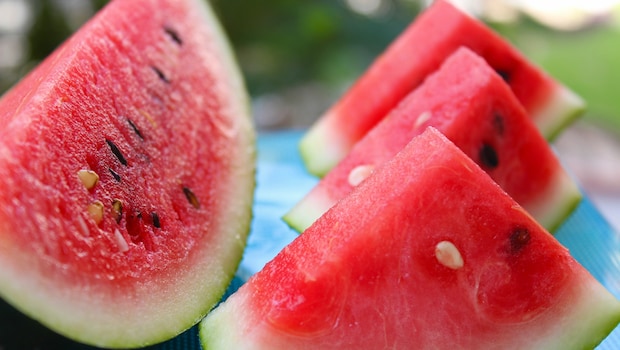
Photo: Unsplash
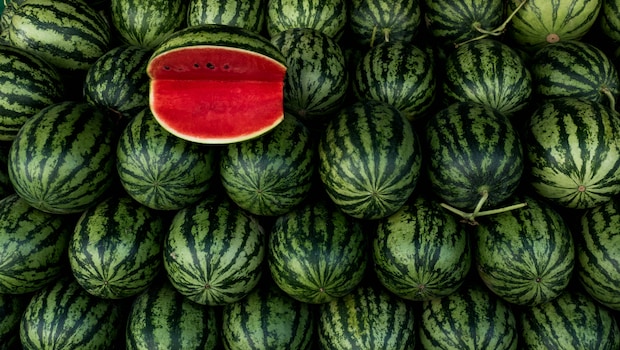
Located in south‑western Maharashtra, Solapur is widely known for its large‑scale watermelon cultivation, particularly from late winter through peak summer. The crop is hard to miss in and around the city, fields along highways are filled with watermelon farms, and local markets see a noticeable increase in supply as temperatures rise.
Watermelons grown in Solapur are sent to wholesale markets across Maharashtra and neighbouring states, making the city an important source region during a period when demand is consistently high. This steady seasonal supply has led to Solapur being informally known as India's Watermelon Capital.
Why Solapur Produces So Much Watermelon
The conditions in and around Solapur are well-suited to growing watermelons in large quantities. Several factors contribute to this:
- Hot summers with long hours of sunlight that help the fruit ripen evenly
- Well‑drained soil that prevents excess moisture
- Irrigation support from the Bhima river system and the Ujjani Dam
- Farming practices refined over generations
Together, these factors allow farmers to grow watermelons that are known locally for being juicy, sweet, and high in water content, qualities that are especially important in summer markets.
Popular Watermelon Varieties Grown in Solapur

Photo: Unsplash
These are some watermelon varieties that are grown in Solapur, Maharashtra.
- Kiran: One of the most preferred varieties in Maharashtra, known for its pink-to-red flesh, slightly grainy texture, and high sweetness.
- Sugar King: A widely cultivated hybrid that offers high yields, with medium to large fruits and juicy red flesh.
- Yellow Watermelon: A relatively premium and less common variant, featuring yellow or orange flesh with a subtly tropical flavour.
- Seedless Watermelon: Easily found in local markets, valued for convenience and ease of consumption.
- Force 9: A newer hybrid introduced in recent years, recognised for its high productivity and improved fruit quality.
- Other Varieties: Depending on the season, farmers also grow Arka Manik, Arka Jyoti, Asahi Yamato, and Pusa Bedana.
How Watermelon Is Eaten In Solapur
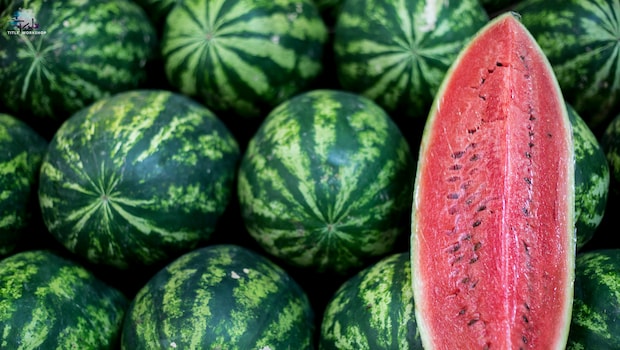
Photo: Unsplash
In Solapur, watermelon is treated as a daily summer food rather than a dessert. Consumption is spread across the day and across incomes, making it one of the most accessible seasonal foods.
- At home, people usually buy whole watermelons, cut them fresh, and store pieces in the fridge to eat through the day.
- On the streets, vendors sell freshly sliced chunks or wedges, often chilled, catering to people looking for quick relief from the heat.
- In markets, buyers check for sweetness, colour, and size before purchase, with peak buying happening in the morning.
More than anything, watermelon is valued for hydration and cooling, which explains its popularity across age groups during summer.
Also Read: Ever Heard of Tudkiya Bhaat? Here's Why Himachal Loves This One-Pot Meal
Markets And Mandis Are A Vibe During Watermelon Season
During peak season, Solapur's mandis start early in the day. Farmers bring in freshly harvested watermelons, and traders move quickly to finalise prices before the heat sets in. From here, the fruit makes its way to neighbourhood markets and street stalls.
For anyone interested in food supply chains, these markets show how quickly a perishable, seasonal fruit moves from farm to plate. Freshness matters, prices fluctuate daily, and consumption depends heavily on temperature, making watermelon one of the most weather‑driven foods of the summer.
Solapur may not be known for elaborate regional dishes, but its importance in India's summer food cycle is hard to overlook. As one of the country's largest watermelon‑producing regions, the city shows how a single seasonal fruit can shape farming patterns, market activity, and everyday eating habits during the hottest months of the year.