








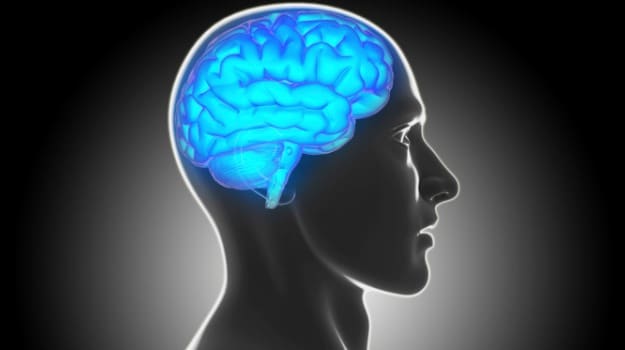
Learning, memory, and brain repair depend on the ability of our neurons to change with experiences says a new study. Researchers in Italy concluded following a study that exercise may enhance the essential plasticity of the adult brain.
Brain plasticity is generally thought to decline with age. This decline in the brain's flexibility over time is especially pronounced in the sensory brain, which displays far less plasticity in adults than in younger people. The findings focused on the visual cortex come as hopeful news for people with conditions including amblyopia (sometimes called lazy eye), traumatic brain injury, and more.The researchers measured the residual plastic potential of the adult visual cortex in humans using a simple test of binocular rivalry.In the new study, the researchers put 20 adults through a test twice; in first test, participants with one eye patched watched a movie while relaxing in a chair. In the other test, participants with one eye patched exercised on a stationary bike for ten-minute intervals during the movie. The results were clear: brain plasticity was enhanced by the exercise."We found that if, during the two hours of eye patching, the subject intermittently cycles, the perceptual effect of eye patching on binocular rivalry is stronger compared to a condition in which, during the two hours of patching, the subject watches a movie while sitting on a chair.Exercise plays an important role in brain health and recovery. They come as especially good news for people with amblyopia, which is generally considered to be untreatable in adults.The study was published in the Cell Press journal Current Biology.

 Kriti Sanon Says Instagram Has No Option To Report AI-Generated Images Of Her
 What Anthropic, Monks And The Cusp Of Consciousness Teach About Tomorrow
 Nikhil Kamath's Big AI Bet: Why India Should Look Beyond Silicon Valley
 When Will India Get Its Own Apple, Samsung? Ashwini Vaishnaw Reveals Timeline
 Shashi Tharoor On What's Working And What's Not In India's Foreign Policy
 Yoga, Millets, Vaccines: S Jaishankar On How India Is Building Stronger Ties | NDTV World Summit
 When Will India Get Its Own Apple, Samsung? Ashwini Vaishnaw Reveals Timeline
 From Geopolitics To Gen Z: Shashi Tharoor's Candid Conversation At NDTV World Summti
 Neha Goyal Makes Stunning Asian Games Gold Revelation At NDTV World Summit 2026
 RBI Governor Sanjay Malhotra Drops Big Hint On Tata Sons Listing Row At NDTV World Summit
Brain plasticity is generally thought to decline with age. This decline in the brain's flexibility over time is especially pronounced in the sensory brain, which displays far less plasticity in adults than in younger people. The findings focused on the visual cortex come as hopeful news for people with conditions including amblyopia (sometimes called lazy eye), traumatic brain injury, and more.The researchers measured the residual plastic potential of the adult visual cortex in humans using a simple test of binocular rivalry.In the new study, the researchers put 20 adults through a test twice; in first test, participants with one eye patched watched a movie while relaxing in a chair. In the other test, participants with one eye patched exercised on a stationary bike for ten-minute intervals during the movie. The results were clear: brain plasticity was enhanced by the exercise."We found that if, during the two hours of eye patching, the subject intermittently cycles, the perceptual effect of eye patching on binocular rivalry is stronger compared to a condition in which, during the two hours of patching, the subject watches a movie while sitting on a chair.Exercise plays an important role in brain health and recovery. They come as especially good news for people with amblyopia, which is generally considered to be untreatable in adults.The study was published in the Cell Press journal Current Biology.