






Isabgol has long been a household staple across India, often passed down through generations as a trusted remedy for digestive troubles. From easing constipation to supporting overall gut health, this simple fibre supplement has earned its place in almost every kitchen cabinet. Its popularity has only grown with time, thanks to its natural composition and gentle effectiveness. But like many widely used home remedies, isabgol is surrounded by several misconceptions that tend to spread faster than facts. To clear the air, fitness coach Ralston D'Souza took to his Instagram handle to break down the most common myths about isabgol that you should stop believing right away.
Also Read: Is Cheese Good For Your Gut? 3 Best Varieties For Digestion & Probiotics
Isabgol Myths You Should Stop Falling For, According To The Fitness Coach:
1. Isabgol Is Not Natural
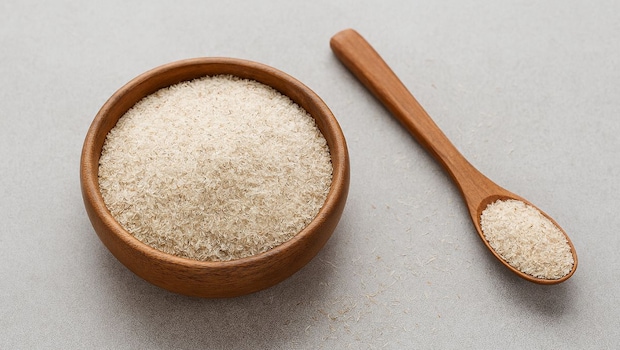
Isabgol, also known as psyllium husk, is completely natural. It is the outer husk of the Plantago ovata seed and is essentially just soluble fibre. Many people assume it is processed or artificial, but it actually comes straight from a plant source. Its simplicity is what makes it gentle, safe and effective for digestion. Ralston adds that there is nothing synthetic about it.
2. Isabgol Causes Dependency
A widespread belief is that once you start taking isabgol, you will become dependent on it for bowel movements. This is not true. Isabgol is not a stimulant laxative, meaning it does not force the gut to move. Instead, it absorbs water, forms a gel, adds bulk and naturally makes bowel movements easier to pass. The fitness coach says it works with your gut rather than against it, which means it does not create habit-forming effects.
3. Isabgol Makes You Gassy
Any type of fibre can cause gas or bloating if you increase intake too quickly. This is true for oats, chia seeds, fruits and vegetables - and isabgol is no different. The key is to introduce fibre gradually and drink enough water. Ralston says that gas is simply a sign your gut is adjusting, and he suggests increasing fibre slowly to help your system adapt comfortably.
4. Taking Isabgol Daily Is Bad
Some believe that consuming isabgol daily is harmful. In reality, it is perfectly safe for everyday use, especially if your diet lacks sufficient fibre. Most individuals need around 30 grams of fibre a day, and many fall short. Isabgol can help bridge this gap easily. Ralston says daily use is fine as long as it is taken with enough water.
5. Isabgol Has Side Effects
Isabgol is generally safe when taken correctly. The only important precaution is to avoid taking it dry, as it can cause choking or discomfort. Always follow it with a full glass of water to help it expand safely and work effectively. Starting with 1 teaspoon a day and increasing slowly is the best approach. When used properly, isabgol has no major side effects.
Also Read: Jeera vs Ajwain: Which Spice Is Better For Your Digestive Health
Watch the full video below:
With the myths cleared up, you can now include isabgol in your routine with confidence and clarity.