





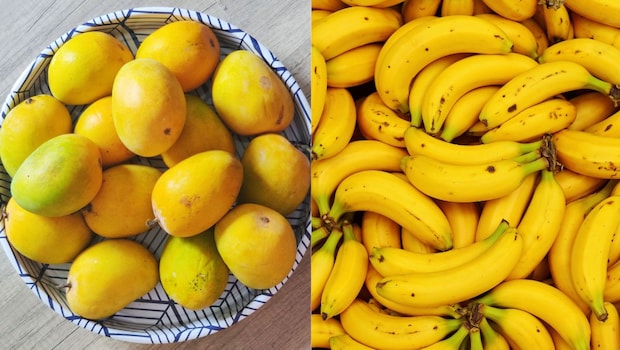
As seasonal fruits begin to flood markets across the country, the Food Safety and Standards Authority of India (FSSAI) has issued a fresh warning against unsafe ripening practices. The food authority has directed all states and Union Territories to strictly enforce regulations against the use of prohibited artificial fruit ripening agents. With fruits like mangoes, bananas, and papayas seeing increased consumption during peak months, the regulator has emphasised the need to protect consumer health while ensuring fair food practices across supply chains.
In a recent communication to state food safety officials, the FSSAI reiterated that substances such as calcium carbide, commonly referred to as "masala", remain strictly prohibited for use in fruit ripening due to serious health risks.
Use Of Calcium Carbide Remains Banned
Referring to earlier advisories issued on May 16, 2025, and April 3, 2023, the FSSAI once again underlined that the use of calcium carbide is expressly banned under Regulation 2.3.5 of the Food Safety and Standards (Prohibition and Restrictions on Sales) Regulations, 2011. The chemical has been historically misused to artificially ripen fruits such as mangoes, bananas, and papayas.
The food safety regulator warned that exposure to calcium carbide can cause severe health issues, including difficulty in swallowing, vomiting and skin ulcers, making its use not only illegal but potentially dangerous.
FSSAI has ordered strict enforcement across states to intensify action against illegal fruit ripening agents, reiterating that the use of calcium carbide for artificial ripening of fruits such as mangoes, bananas & papayas is strictly prohibited. pic.twitter.com/OJ6JBqRn7u— FSSAI (@fssaiindia) April 16, 2026
Concerns Over Dipping Fruits In Ethephon Solutions
The advisory also raised concerns about certain food business operators dipping fruits in ethephon solutions for faster ripening, particularly in bananas and other commonly sold fruits. While ethylene gas is recognised as a safe ripening agent when used correctly, FSSAI's guidance clearly prohibits direct contact of fruits or vegetables with ethylene in liquid or powder form.
According to the FSSAI's "Guidance Note on Artificial Ripening of Fruits - Ethylene Gas: A Safe Fruit Ripener", improper application methods defeat the purpose of safe ripening and pose health and quality concerns.
Also Read:Pune Food Authority Busts 3,800 kg Mango Pulp Mixed With Unsafe Food Colours
Stricter Market Surveillance Ordered Across India
In view of these ongoing violations, FSSAI has advised Commissioners of Food Safety in states and Union Territories, along with its regional directors, to intensify inspections and maintain close surveillance of fruit markets, mandis, storage godowns, wholesalers and distribution centres. Particular attention is to be paid to locations where seasonal fruits are stored and where illegal ripening agents are suspected to be in use.
The advisory also suggests launching special enforcement drives to curb the unauthorised use of calcium carbide, non-permitted ripening chemicals, waxes, and synthetic colours.
Legal Action To Be Taken If Found Using Calcium Carbide
FSSAI has clarified that the presence of calcium carbide on premises or near fruit crates may be treated as circumstantial evidence to initiate prosecution against food business operators. Legal action may be taken under relevant sections of the Food Safety and Standards Act, including provisions related to unsafe and sub-standard food.
To strengthen enforcement, officials have also been advised to use strip paper tests to detect the presence of acetylene gas in storage facilities or ripening chambers, which may indicate the illegal use of calcium carbide.