







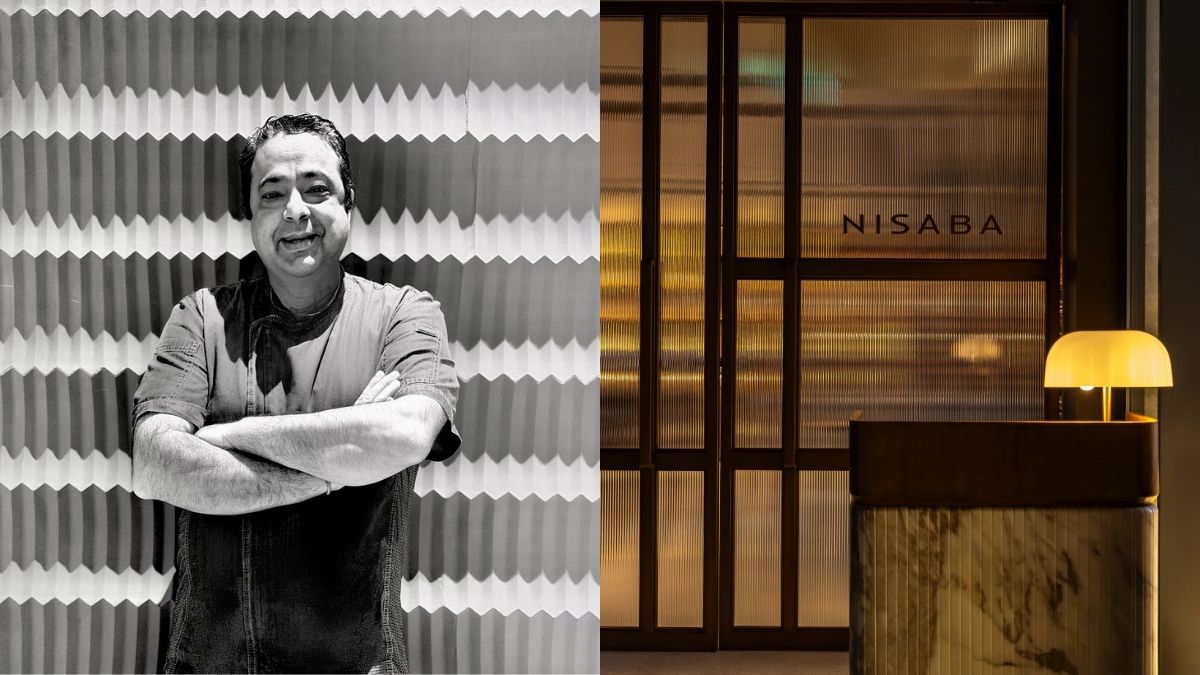
When Chef Manish Mehrotra opens a restaurant, the room carries a certain expectation before the first dish even lands. That expectation became louder after he stepped away from Indian Accent last year, ending a chapter that shaped how a generation understood modern Indian dining.
So, when Nisaba opened its doors at Sunder Nursery, the question was not what the restaurant would be like. It was simpler and more telling. What does Manish want to cook now?
The answer, it turns out, is quieter, more grounded, and far more personal.
Also Read: HOM Review: Fire Takes Centre Stage At This New Restaurant In Bandra
Nisaba At Sunder Nursery Sets The Mood Early
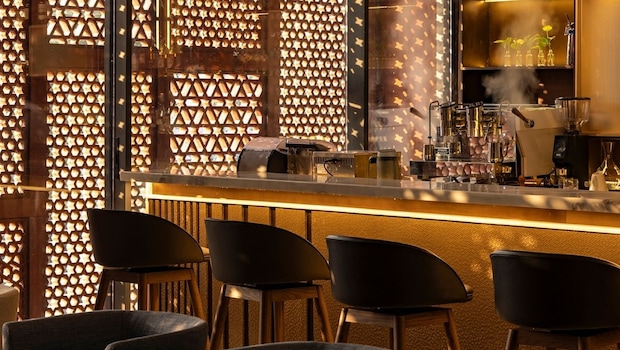
Set inside the Humayun's Tomb complex, Nisaba benefits from one of Delhi's rare advantages: calm. Sunder Nursery has a way of slowing you down before you reach the table, and Nisaba does not fight that rhythm.
The space feels warm and considered, filled with natural light during the day and shifting gently into something more intimate by evening. Clean lines, comfortable seating, and a dining room that feels designed for conversation rather than performance. At its centre sits a sculptural installation by Dhananjay Singh, referencing grain, growth, and renewal. It is striking, but never distracting - a quiet reminder of what the restaurant stands for.
Asking Manish Mehrotra What Nisaba Really Means
Midway through the meal, I asked Manish what Nisaba meant to him. He spoke about the ancient goddess of grain and writing, about everyday sustenance and stories shaped slowly over time. It felt revealing.
This is not a restaurant built around reinvention or cleverness. Nisaba draws from food that exists beyond the spotlight - homes, small towns, bylanes, street vendors, dhabas. Indian food cooked with discipline, clarity, and care, without the pressure to constantly impress.
That thinking runs through the menu.
Starters That Balance Familiarity And Restraint

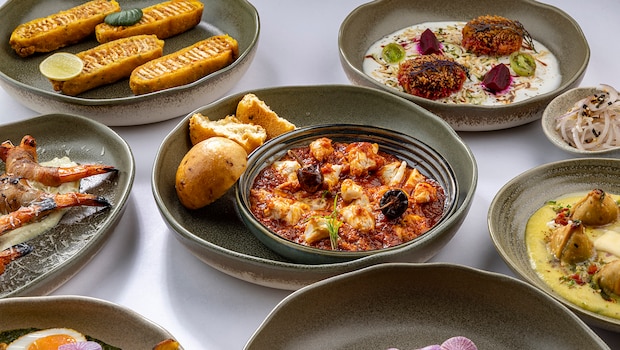
The starters arrive confident but unshowy. The samosa with Moradabadi dal, buknu and everything chutney is comforting without being predictable - crisp, well-seasoned, and deeply satisfying. It sets the tone immediately.
The butter chicken with smoked makhani, onion rings and achari mirch does not attempt reinvention. Instead, it refines. The smoke is controlled, the richness measured, the acidity doing its quiet work. It tastes familiar, but sharper.
The mutton seekh kabab with blue cheese butter and baked naan is bold without being loud. The blue cheese adds depth rather than drama, letting the meat stay centre stage. And the tiger prawns with Konkan javla butter and Goan poee bread lean indulgent in the best way - rich, coastal, and deeply comforting without tipping into excess.
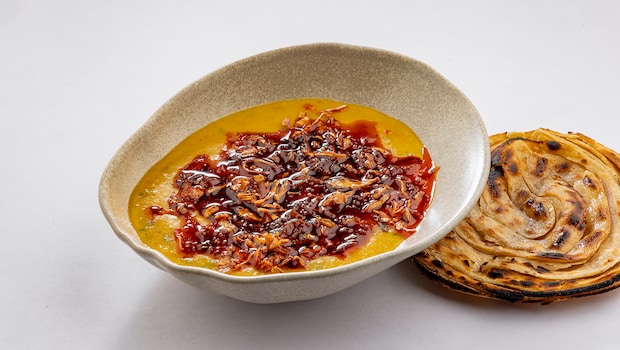
When the conversation turned to the Zaveri Bazaar–style dal, Manish spoke about the hing they were using and asked for it to be brought over. He wanted us to smell it. Sharp, clean, almost startling.
He spoke about sourcing, about how ingredients matter now more than ever, and about knowing exactly what goes into a dish before it reaches the table. Later, when you taste that depth in the food, the explanation feels unnecessary. The thinking is already there.
Also Read: Step Into Paris At Mamma Rose - Noida's Chic New Cafe
Mains That Ask You To Slow Down
The mains continue with the same assured calm. The chicken reshmi with Himachal guchhi, sweet pepper and shroom naan is rich but restrained, the guchhi adding depth without overwhelming the dish.
The clay pot Motihari mutton with stewed garlic and hing sattu kachori feels rooted and robust, a dish that rewards patience. On the vegetarian side, the Kashmiri haaq greens with turnip two ways and ghee rice are quietly elegant, proving that restraint can be deeply satisfying.
Then there is Manish's signature pao bhaji with dahi mirchi and onion pao. Familiar, comforting, and unmistakably personal, it arrives without nostalgia baiting. Just good food, cooked with confidence.
Cocktails That Avoid Cleverness

Manish was clear about the bar. He did not want food turning into cocktails. No novelty for novelty's sake. Straight cocktails, he said, should still be serious business.
The Bourbon Mantar delivers exactly that - warm, rounded, quietly complex. The British Takeaway plays with familiarity without slipping into parody. Fun, yes. Frivolous, no.
Also Read: Which City Is Known As 'The Chai Capital Of India'
What Nisaba Says About Where Manish Mehrotra Is Now
What Nisaba resists is as important as what it offers. There is no over-explanation, no constant reminder of legacy. The food is allowed to arrive without speeches. Service supports without hovering. Conversations stretch naturally.
Nisaba matters because it reflects where Manish Mehrotra is right now. A chef with nothing left to prove, cooking food that feels honest, thoughtful, and deeply rooted.
In a city crowded with ambitious openings, Nisaba stands out by lowering its voice. And in doing so, it makes you listen.
About Shubham BhatnagarYou can often find Shubham at a small authentic Chinese or Italian restaurant sampling exotic foods and sipping a glass of wine, but he will wolf down a plate of piping hot samosas with equal gusto. However, his love for homemade food trumps all.