

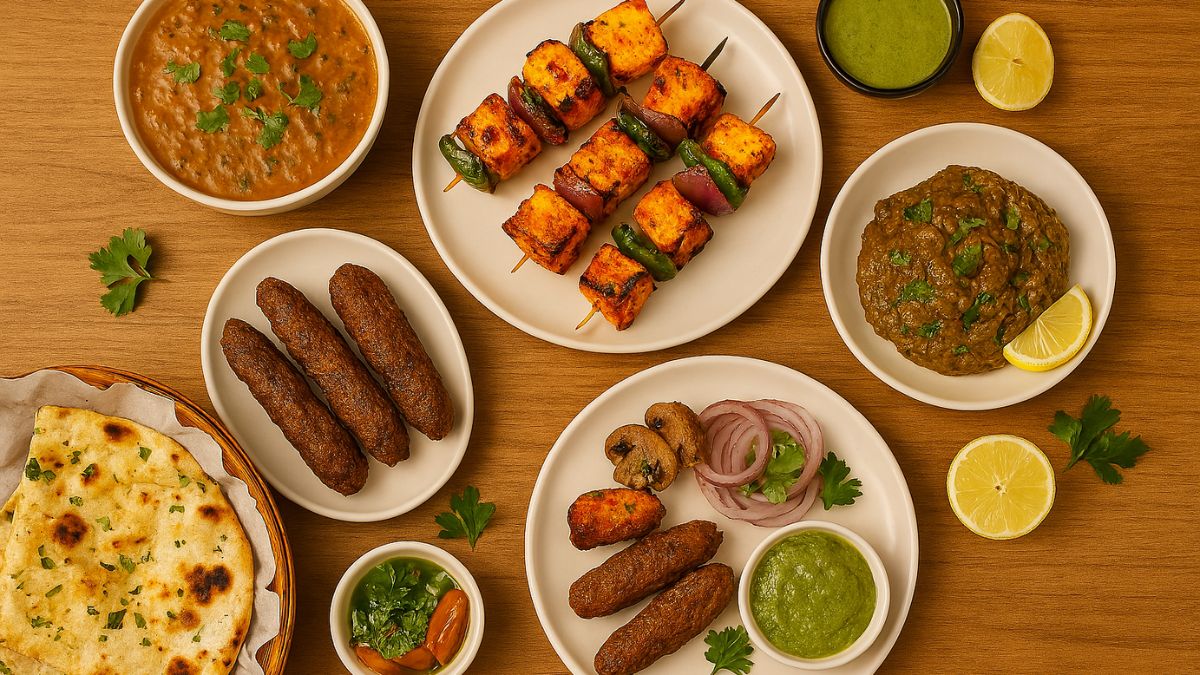
Winter cooking has a certain depth to it. Gravies turn richer, kebabs get heartier, and there is an unmistakable craving for warm, tandoori flavours that feel slow-cooked and indulgent. That distinct aroma we associate with tandoors, dhabas and charcoal grills often feels impossible to recreate at home, especially in compact kitchens. But here is the thing, you don't actually need a tandoor or fancy equipment to bring that comforting, tandoori essence into your winter dishes. With a few smart techniques and everyday tools, you can infuse that same depth into curries, dals, sabzis and even snacks. Whether you are cooking for guests or simply upgrading a weekday meal, these easy methods help you add tandoori flavour at home, minus the tandoor.
Also Read: Why Eating A Bowl Of Vegetable Soup Before Meals Helps Reduce Weight And Belly Fat
Here Are 5 Ways To Add Tandoori Flavour To Your Dishes Without Using A Tandoor
1. Charcoal Infusion (Dhungar Method)
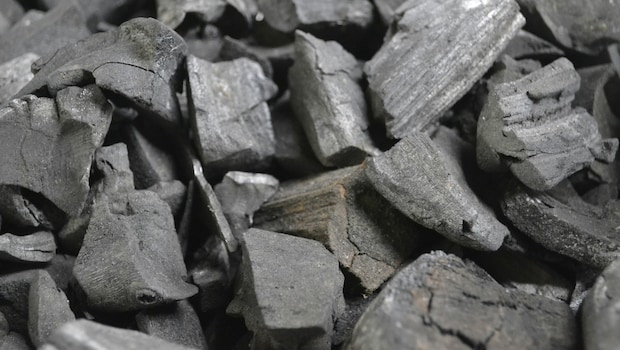
Photo: Unsplash
This is the most authentic way to recreate tandoori-style flavour at home:
- Heat a small piece of charcoal until red hot
- Place it in a heatproof metal bowl
- Keep the bowl inside the cooked dish
- Drizzle ghee or oil over the charcoal
- Immediately cover the pot tightly
Let it sit for a few minutes, then remove the charcoal. The trapped smoke infuses the dish beautifully without altering its texture.
2. Use Smoked Spices And Ingredients
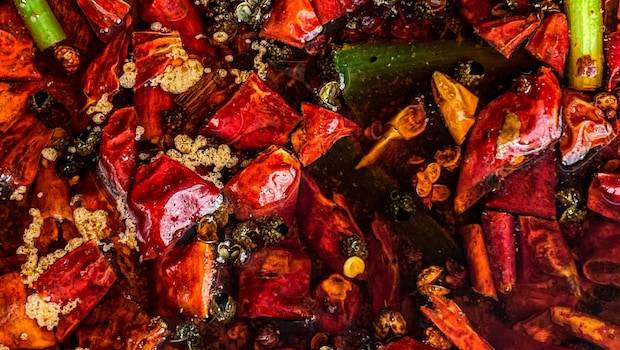
Photo: Unsplash
Tandoori flavour doesn't always have to come from actual smoke:
- Add black cardamom to curries or pulao
- Use smoked paprika in marinades or gravies
- A pinch of smoked salt can elevate simple dishes
These ingredients naturally add depth and work especially well in winter recipes where bold flavours are welcome.
3. Direct Flame Charring On The Gas Stove
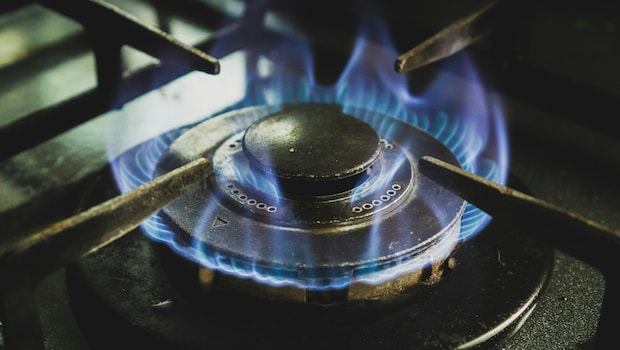
Photo: Unsplash
A simple, everyday technique that delivers instant results:
- Char tomatoes, brinjal, capsicum or onions directly over the flame
- Paneer cubes can also be lightly scorched using tongs
- Even rotis or parathas benefit from brief flame contact
The slight charring adds a rustic tandoori touch that works well in bhartas, gravies and wraps.
4. Oven Smoking With Wood Chips
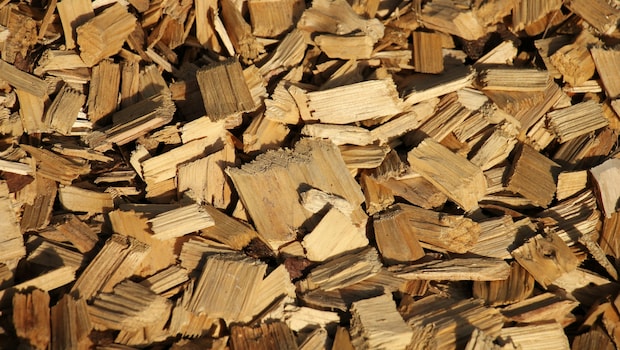
Photo: Unsplash
If you have an oven, this method adds a subtle, natural tandoori-style aroma:
- Soak wood chips like applewood or hickory
- Wrap them in foil and poke small holes
- Place in a preheated oven along with your dish
As the chips heat up, they release smoke that gently flavours the food. This works well for roasting vegetables or baked winter dishes.
5. Tea-Smoking Technique For Aromatic Smoke
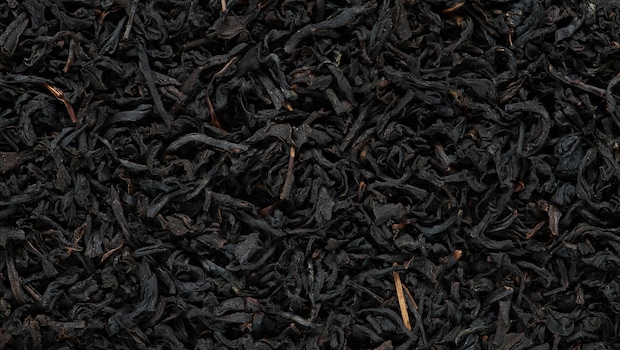
Photo: Unsplash
This method adds a unique, slightly sweet tandoori-like smokiness:
- Line a pan with foil
- Add tea leaves, uncooked rice and a little sugar
- Heat until the mixture starts smoking
- Place food on a rack above the smoke
- Cover tightly for a few minutes
Tea-smoking works especially well for paneer, mushrooms and winter appetisers.
Best Dishes To Try These Techniques On

Want to know where these tricks shine? Try them on:
- Dal Makhani: A classic that tastes divine with a hint of smoke.
- Paneer Tikka: Perfect for recreating restaurant-style flavour at home.
- Baingan Bharta: Flame-charred aubergine is a must for authentic taste.
- Kebabs: Both vegetarian and meat-based kebabs benefit from smoky depth.
- Butter Chicken or Veg Korma: Rich gravies absorb tandoori aroma beautifully.
Safety Tips For Home Smoking
Adding tandoori flavour is easy, but safety comes first:
- Always handle hot charcoal with tongs.
- Keep a bowl of water nearby in case of emergencies.
- Avoid using plastic or non-heatproof containers.
- Ensure proper ventilation when using smoke indoors.
- Never leave smoking techniques unattended.
How To Use Tandoori Techniques Without Overdoing It

- Always add smoke at the end of cooking.
- Keep exposure time short to avoid bitterness.
- One smoky element is enough per dish.
- Let the dish rest briefly after smoking.
Also Read: How To Make One-Pot Egg Biryani At Home
Adding tandoori flavour at home isn't about copying restaurant kitchens - it is about using simple techniques intelligently. With these methods, your winter dishes can taste deeper, warmer and far more indulgent, without ever stepping near a tandoor.