


Biryani is one of those dishes where every small choice affects the final result. The rice, the masala, the layering and even the cut of chicken you use can change how the dish tastes and feels. One common question that often arises while cooking biryani is whether to use bone-in or boneless chicken. While both work, they deliver very different results in terms of flavour, texture and overall experience. If you have ever wondered why restaurant biryanis taste richer or why your homemade version feels slightly lacking, the answer might lie in this one simple choice.
Also Read: These 3 Gond Katira Desserts Are A Simple Way To Cool Down This Summer
Bone-In vs Boneless Chicken: What Works Better
1. Flavour: Bone-In Chicken Brings More Depth

Photo: Unsplash
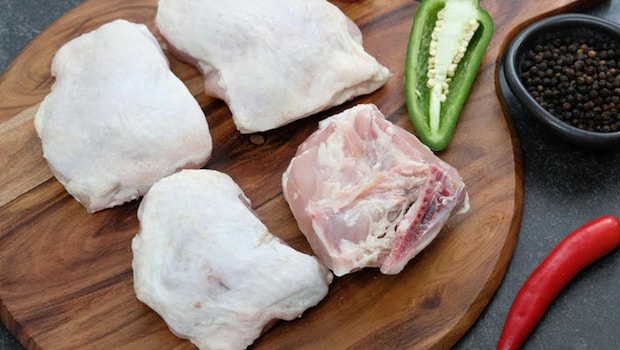
When it comes to flavour, bone-in chicken has a clear advantage. As it cooks, the bones release juices and gelatin that enrich the masala and rice.
What this means for your biryani:
- The gravy tastes more robust and layered
- Rice absorbs deeper, meatier flavours
- The overall dish feels more authentic
Boneless chicken, while convenient, doesn't contribute the same richness to the base.
2. Texture: Juiciness vs Convenience
Texture plays a big role in how enjoyable your biryani feels.
Bone-in chicken:
- Stays juicier during long cooking
- Holds its shape better
- Feels more satisfying in traditional biryanis
Boneless chicken:
- Cooks faster
- Is easier to eat, especially for kids or casual meals
- Can sometimes turn dry if overcooked
If not handled carefully, boneless pieces can lose moisture quickly during dum cooking.
3. Cooking Time And Technique

Photo: Unsplash
The type of chicken you choose also affects how you cook your biryani.
- Bone-in pieces take longer to cook but develop better flavour over time
- Boneless chicken cooks quickly, so it needs careful timing to avoid overcooking
- For dum biryani, bone-in chicken works more naturally with slow cooking
Using boneless chicken often requires adjusting cooking time and layering carefully.
4. Authenticity: What Traditional Biryani Uses
Most traditional biryani recipes across regions use bone-in chicken.
Why:
- It aligns with slow-cooking methods
- Enhances the richness of the dish
- Delivers the classic biryani experience
Boneless versions are more of a modern, convenience-driven adaptation.
When Boneless Chicken Works Better
Photo: Unsplash
That said, boneless chicken isn't wrong. It just suits different situations.
It works well when:
- You want a quick, weeknight biryani
- You prefer easy-to-eat pieces
- You are making smaller portions
With the right technique, it can still taste good, just lighter.
Also Read: Why Caramelised Onions Are the Most Versatile Condiment In Your Kitchen
How To Get The Best Results (Whichever You Choose)
- Marinate the chicken well to enhance flavour
- Avoid overcooking, especially with boneless cuts
- Use good-quality spices and basmati rice
- Let the biryani rest after cooking for better flavour absorption
If you are aiming for a rich, traditional, restaurant-style biryani, bone-in chicken is the better choice. It adds depth, juiciness and that unmistakable flavour that defines a good biryani.
If you prioritise convenience and quicker cooking, boneless chicken can still work, as long as you handle it carefully.
In the end, both have their place in the kitchen. But if flavour is your top priority, bone-in chicken is hard to beat when it comes to biryani.