



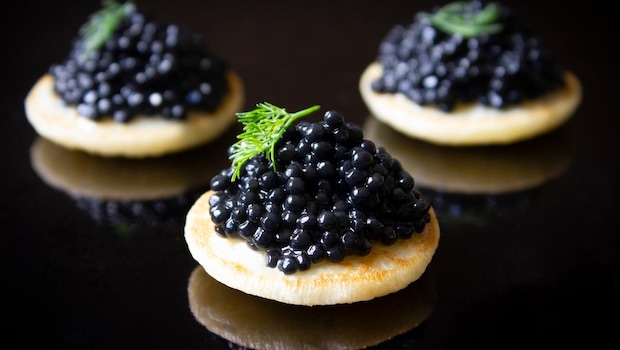
Caviar often appears on fine-dining menus, but not every glittering spoonful you see at a restaurant is the real thing. With rising demand and limited supply, many places quietly use cheaper types of roe while presenting them as luxury caviar. Diners usually trust that whatever is on the plate is authentic, but not everyone realises how similar imitation roe can look. Knowing the difference ensures you actually taste what you're paying a premium for. If you enjoy trying new dishes or indulging in occasional fine dining, these simple tips can help you recognise the real deal. Here are a few easy ways to tell authentic caviar from its substitutes when eating out.
What Is Caviar?
Caviar is the name given to salt-cured roe that comes exclusively from sturgeon, an ancient family of fish known for producing naturally delicate, glossy eggs. Traditionally, the most sought-after caviar came from wild sturgeon found in the Caspian and Black Seas, especially varieties such as Beluga, Osetra and Sevruga.
Also Read: What Is Caviar? How To Taste, Serve And Enjoy It Properly
How Is Caviar Different From Fish Roe?
Fish roe is a broad term for eggs from any fish, including salmon, trout, capelin and lumpfish. While these types of roe are popular in global cuisines, they do not qualify as caviar because they don't come from sturgeon. The difference also lies in preparation: sturgeon eggs undergo a refined curing process that gives caviar its distinctive flavour and texture, whereas other roe varies widely in taste, colour and salinity.
Why Is Authentic Caviar So Expensive?
Real sturgeon caviar is costly because sturgeon mature slowly, produce eggs infrequently and require careful processing. Overfishing and the endangered status of many sturgeon species further limited supply, leading to tightly regulated farming. This rarity, combined with labour-intensive handling, keeps authentic caviar firmly in the luxury category.
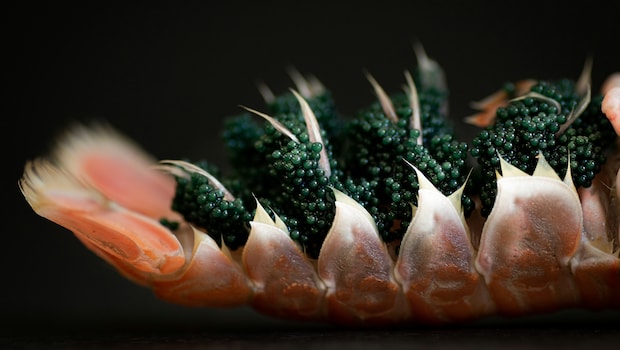
Photo Credit: Unsplash
Here Are 5 Easy Ways To Spot Fake Caviar At Restaurants:
1. Observe The Colour Carefully
Real sturgeon caviar has soft, natural tones such as charcoal grey, olive, golden brown or deep black with a gentle sheen. If the caviar on your dish looks unnaturally bright, uniformly jet black or overly glossy, it is likely a cheaper roe that has been dyed or enhanced for appearance. Subtlety is a hallmark of genuine caviar, so anything too vibrant is a visual warning sign.
2. Notice The Texture On The Spoon
When your server brings the dish, look at how the pearls sit. Authentic caviar has firm grains that stay separate and do not collapse or smear. If the eggs appear sticky, mushy or overly soft, they are probably not from sturgeon. Restaurants sometimes use lumpfish or capelin roe, which tend to clump together or look rigid rather than delicate.
3. Taste For A Clean, Buttery Finish
Real caviar has a mild, buttery flavour with a soft briny note that disappears quickly. It should never taste strongly fishy, metallic or aggressively salty. If the flavour feels harsh or lingers unpleasantly, you are most likely eating imitation roe. Restaurants relying on cheaper alternatives often use high-salt preparations to mimic richness.
4. Look At Where It Appears On The Menu
If a restaurant casually adds "caviar" to pastas, canapes or appetisers at surprisingly low prices, it's almost certainly not real sturgeon caviar. Authentic varieties are expensive, so they are usually highlighted with specific names like Osetra, Sevruga or Beluga. Vague mentions such as "black caviar" or "caviar garnish" generally indicate substitutes.
Also Read: Gourmet Pizzas Are Trending. Here Are The Ones You Should Definitely Try
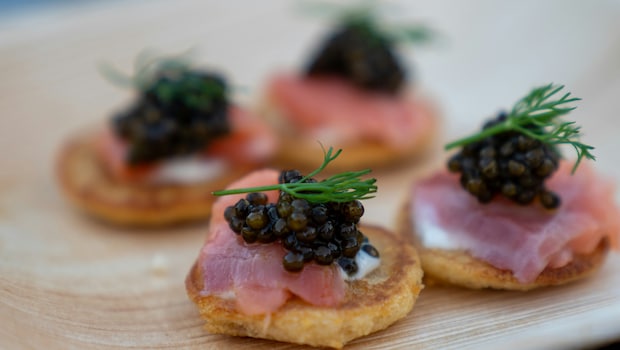
Photo Credit: Unsplash
5. Pay Attention To The Restaurant's Description
Good restaurants are transparent. If the menu lists the caviar's species, origin, or type, it is usually genuine. When a dish includes real sturgeon caviar, chefs often take pride in naming it. If the server avoids details or says it is "just regular caviar," it's a sign the ingredient is probably imitation roe being used for effect rather than authenticity.
With these small checks in mind, you can enjoy caviar with confidence the next time you dine out.