


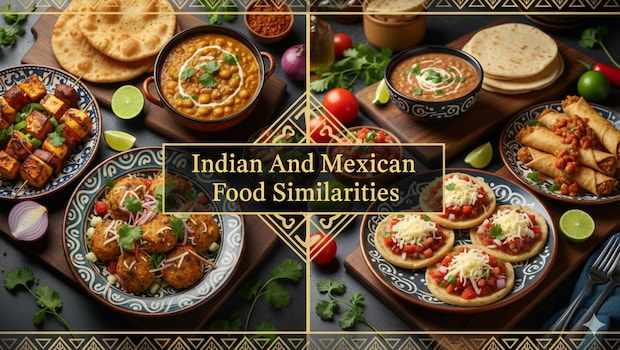
You've probably never thought about it, but India and Mexico have more in common than you'd imagine. Not geography, obviously. Not language. But food? That's where things get interesting. Both cuisines are built on corn, beans, rice, and an unapologetic love for spice. Both cultures eat with their hands, use flatbreads as edible utensils, and worship the mortar and pestle as essential kitchen equipment. Walk into a Mexican kitchen and you'll find tools that look identical to what your grandmother uses. Taste a quesadilla and you'll wonder if it's secretly a stuffed paratha. Try street corn in Mexico City and it'll taste suspiciously like your monsoon bhutta. These aren't coincidences. Both cuisines evolved independently but somehow arrived at strikingly similar solutions to the same culinary questions. What makes this even more fascinating is that neither culture borrowed from the other historically. These parallels developed organically, driven by similar agricultural staples, cooking techniques, and cultural attitudes toward food.
Here Are 8 Dishes That Prove Both Cuisines Are Lost Siblings
1. Roti/Chapati and Wheat Tortilla: The Daily Bread Connection
The Indian Side:
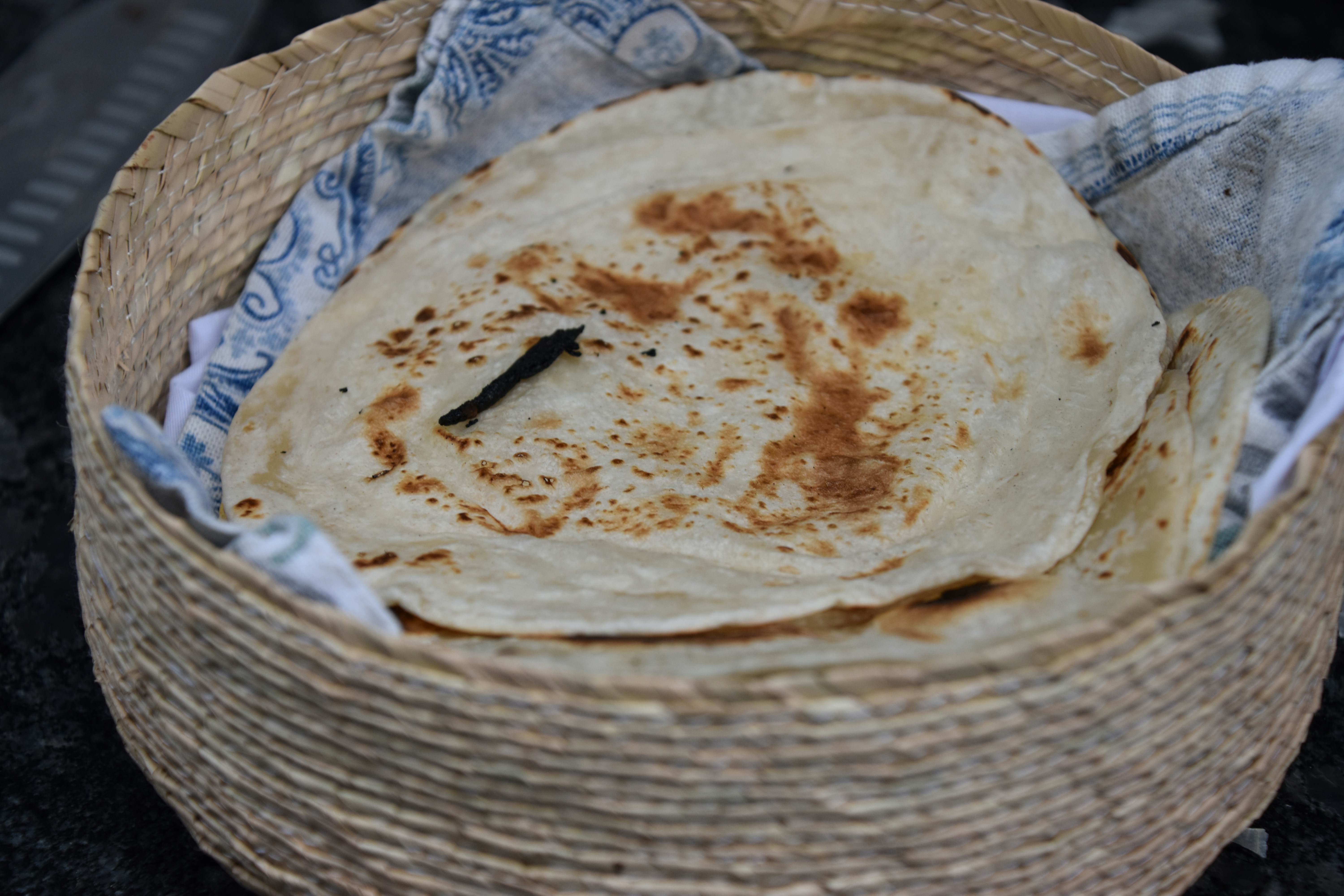
Roti or chapati is India's most humble, essential flatbread. Made from whole wheat flour (atta), water, and salt, rolled thin and cooked on a tawa (griddle). It's the carrier for dal, sabzi, everything. You eat it with your hands, tearing pieces to scoop curry. Every Indian household makes rotis daily.
The Mexican Side:
Wheat tortilla is Mexico's equivalent. Made from refined wheat flour, water, fat (lard or oil), salt. Rolled thin, cooked on a comal (griddle). Used for burritos, wraps, as a carrier for beans, meat, vegetables. Eaten with hands, used as edible utensils.
The Parallel:
Both are unleavened flatbreads cooked on griddles. Both serve identical purposes: carriers for other foods, edible utensils, meal foundations. The preparation is nearly identical: knead dough, rest it, divide into balls, roll thin, cook on hot surface. Even the storage is the same: wrapped in cloth to keep warm.
Simple Roti Recipe:
- 2 cups whole wheat flour (atta)
- ¾ cup water (adjust as needed)
- Pinch of salt
- 1 teaspoon oil (optional)
Mix flour and salt. Gradually add water, kneading into soft dough. Rest 15 minutes. Divide into 10-12 balls. Roll each ball into 6-inch circles. Heat tawa on medium-high. Cook each roti 30 seconds per side until brown spots appear. Press edges with cloth to puff. Serve warm.
2. Makki di Roti and Corn Tortilla: The Corn Connection

The Indian Side:
Makki di roti is Punjab's winter favourite. Made from cornmeal (maize flour), cooked on a tawa or in a tandoor. Thick, rustic, paired with sarson ka saag. It's unleavened, gluten-free, and a staple in North India.
The Mexican Side:
Corn tortilla is Mexico's original flatbread, predating wheat tortillas by thousands of years. Made from masa (nixtamalized corn dough), pressed thin, cooked on a comal. The foundation of tacos, enchiladas, tostadas. Mexico produces corn tortillas in white, yellow, and blue corn varieties.
The Parallel:
Both use corn as the primary grain. Both are unleavened. Both require specific techniques: makki di roti needs careful rolling (corn flour is crumbly), corn tortillas need pressing. Both are traditionally paired with rich, flavourful dishes that balance the corn's earthiness.
Makki di Roti Recipe:
- 2 cups cornmeal (makki ka atta)
- Warm water as needed
- Salt to taste
- 1 tablespoon ghee
Mix cornmeal and salt. Add warm water gradually, kneading into pliable dough (corn dough is tricky, needs patience). Divide into balls. Pat each ball between palms into 5-6 inch circles (can't roll with rolling pin, corn flour breaks). Cook on hot tawa with ghee until golden spots appear. Serve hot with sarson ka saag.
3. Paratha and Quesadilla: The Stuffed Flatbread Family
The Indian Side:
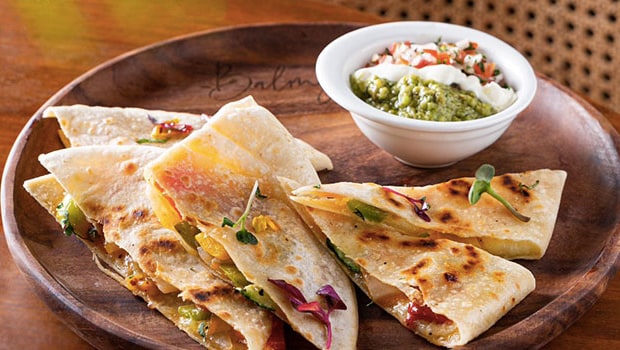
Paratha (parat + atta = layers of cooked dough) is India's stuffed flatbread. Aloo paratha, gobi paratha, paneer paratha—the list is endless. Wheat dough rolled with filling inside, cooked on tawa with ghee or oil. Crispy outside, soft inside, stuffed with spiced vegetables or cheese.
The Mexican Side:
Quesadilla is a tortilla folded over cheese (queso), often with vegetables, meat, or beans added. Cooked on a griddle until the cheese melts and the tortilla crisps. Served with salsa, sour cream, guacamole.
The Parallel:
Both are flatbreads with fillings. Both are cooked on griddles. Both feature cheese or vegetables. The technique is nearly identical: roll dough, add filling, seal, cook with fat until crispy. Both are comfort food, breakfast staples, and street food favourites.
Aloo Paratha Recipe:
For Dough:
- 2 cups whole wheat flour
- Water as needed
- Salt to taste
For Filling:
- 3 boiled potatoes, mashed
- 1 teaspoon cumin seeds
- 1 green chilli, chopped
- ½ teaspoon garam masala
- Salt to taste
- Chopped coriander
Make soft dough with flour, water, salt. Rest 20 minutes. Mix filling ingredients. Divide dough into balls. Roll each into small circle, place filling in centre, seal edges, roll gently into 6-inch circle. Cook on hot tawa with ghee/oil until golden and crispy on both sides.
4. Chutney and Salsa: The Condiment Connection
The Indian Side:
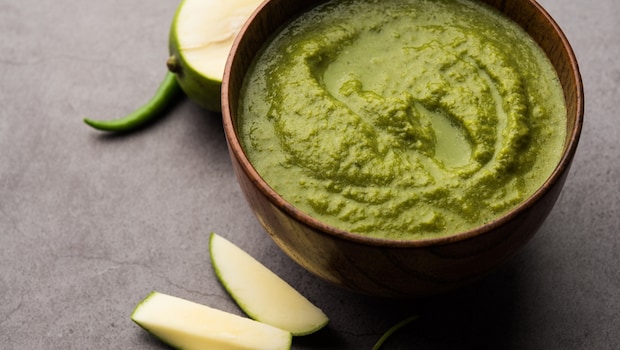
Chutney is India's diverse family of condiments. Green chutney (coriander, mint, green chillies, lemon), tomato chutney, coconut chutney, tamarind chutney. Ground in mortar and pestle or blender. Served with snacks, meals, as dips.
The Mexican Side:
Salsa literally means "sauce." Red salsa (tomatoes, chillies), green salsa (tomatillos, green chillies), pico de gallo (fresh tomatoes, onions, cilantro, lime). Ground in molcajete (mortar and pestle). Served with tacos, chips, everything.
The Parallel:
Both use mortar and pestle traditionally. Both feature similar ingredients: tomatoes, chillies, cilantro/coriander, lime/lemon, onions. Both are fresh, raw condiments that add heat, tang, and complexity. Both are table staples at every meal.
Green Chutney Recipe (Indian):
- 2 cups fresh coriander leaves
- ½ cup mint leaves
- 2 green chillies
- 1 teaspoon cumin seeds
- 2 tablespoons lemon juice
- Salt to taste
- Water as needed
Blend all ingredients with minimal water into smooth paste. Adjust salt and lemon. Serve fresh with pakoras, samosas, parathas.
Salsa Verde Recipe (Mexican):
- 500g tomatillos, husked and rinsed (or use green tomatoes)
- 2 green chillies (jalapeño or serrano)
- ½ onion, chopped
- 2 cloves garlic
- Handful of cilantro
- Lime juice
- Salt
Roast tomatillos and chillies until charred. Blend with remaining ingredients until chunky. Season with salt and lime. Serve with tacos, tortilla chips.
5. Gujiya and Empanada: The Sweet-Savoury Dumpling Twins
The Indian Side:
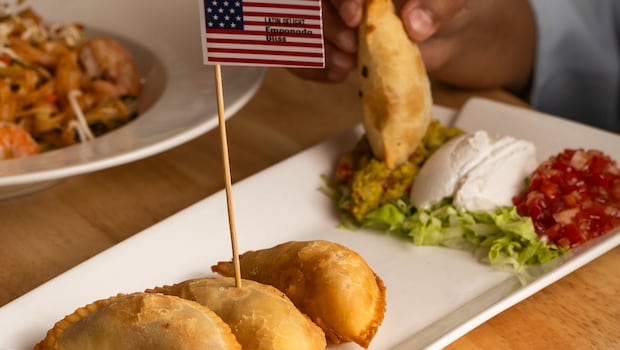
Gujiya is a sweet dumpling made during Holi. All-purpose flour dough shaped into crescents, stuffed with khoya (dried milk), nuts, sugar, cardamom. Deep-fried or baked until golden. Crispy shell, sweet filling.
The Mexican Side:
Empanada is a pastry turnover stuffed with sweet or savoury fillings. Dough made from all-purpose flour, filled with cheese, meat, chicken, chocolate, or fruit. Baked or fried. Crispy pastry, flavourful filling.
The Parallel:
Both are half-moon shaped dumplings. Both use similar dough (flour, fat, water). Both can be fried or baked. The crimped edges look identical. The technique—roll dough, add filling, fold, seal, crimp—is the same.
Gujiya Recipe:
For Dough:
- 2 cups all-purpose flour
- 4 tablespoons ghee
- Water as needed
For Filling:
- 1 cup khoya/mawa, crumbled
- ½ cup powdered sugar
- 2 tablespoons chopped nuts (cashews, almonds)
- ½ teaspoon cardamom powder
Mix flour and ghee until breadcrumbs form. Add water, knead into stiff dough. Rest 20 minutes. Make filling by mixing all ingredients. Roll dough into small circles, place filling, fold into half-moon shape, crimp edges. Deep fry on medium heat until golden or bake at 180°C for 20 minutes.
6. Bhutta (Street Corn) and Elote: The Monsoon-Summer Love
The Indian Side:
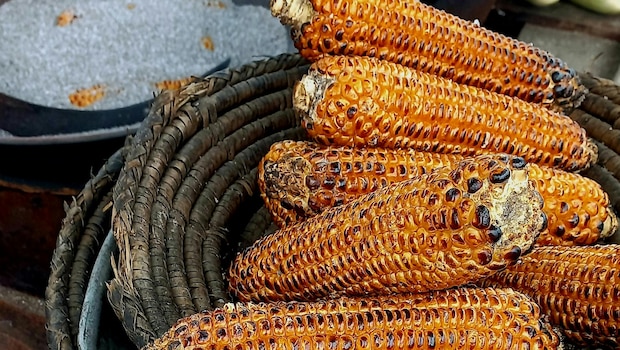
Bhutta is roasted or steamed corn on the cob, sold by street vendors during monsoons. Rubbed with lemon, sprinkled with red chilli powder, salt, sometimes butter. The smell of roasting corn defines Indian monsoon evenings.
The Mexican Side:
Elote is grilled corn on the cob, a Mexican street food staple. Slathered with mayo, rolled in cotija cheese, sprinkled with chilli powder, lime juice, salt. Sold from street carts, especially in summer.
The Parallel:
Both are street foods. Both use corn on the cob. Both feature similar seasonings: chilli powder, lime/lemon, salt. The preparation is nearly identical: grill or roast, add fat (butter/mayo), season, squeeze citrus. The experience is the same: messy, delicious, nostalgic.
Bhutta Recipe (Indian Style):
Roast corn directly on gas flame or grill, turning frequently until charred in spots (10-12 minutes). Rub with lemon half. Sprinkle red chilli powder, chaat masala, salt. Add butter if desired. Serve hot.
Elote Recipe (Mexican Style):
Grill corn until charred. Brush with mayo generously. Roll in crumbled cotija cheese (or parmesan). Sprinkle chilli powder (Tajín seasoning if available). Squeeze lime juice. Season with salt.
7. Rajma Chawal and Frijoles con Arroz: The Bean-Rice Soul Food
The Indian Side:
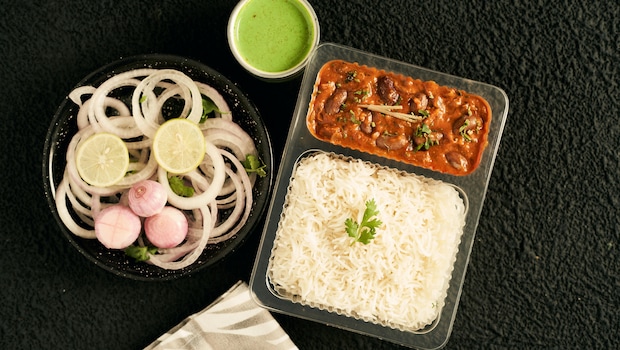
Rajma chawal is North India's comfort food. Red kidney beans cooked in tomato-onion gravy with spices, served with steamed rice. It's Punjabi soul food, Sunday lunch, the dish that feels like home.
The Mexican Side:
Frijoles con arroz (beans with rice) is Mexico's staple meal. Black beans or pinto beans cooked with onions, garlic, spices, served with Mexican rice (tomato-based). It's everyday food, comfort, foundation.
The Parallel:
Both pair beans with rice as a complete meal. Both use similar cooking techniques: sauté aromatics, add beans, simmer. Both feature tomato-based sauces. Both are protein-rich vegetarian meals. The cultural significance is identical: everyday food, comfort, nostalgia.
Rajma Recipe:
- 1 cup rajma (red kidney beans), soaked overnight
- 2 onions, chopped
- 2 tomatoes, pureed
- 1 tablespoon ginger-garlic paste
- 1 teaspoon cumin seeds
- 1 teaspoon garam masala
- 1 teaspoon red chilli powder
- Salt to taste
- 2 tablespoons oil
Pressure cook soaked rajma with water, salt for 5-6 whistles. Heat oil, add cumin. Sauté onions until golden. Add ginger-garlic paste, tomato puree, spices. Cook until oil separates. Add boiled rajma with cooking liquid. Simmer 15-20 minutes until thick gravy forms. Serve with steamed rice.
8. Milk Sweets: Barfi/Peda and Dulce de Leche Sweets
The Indian Side:
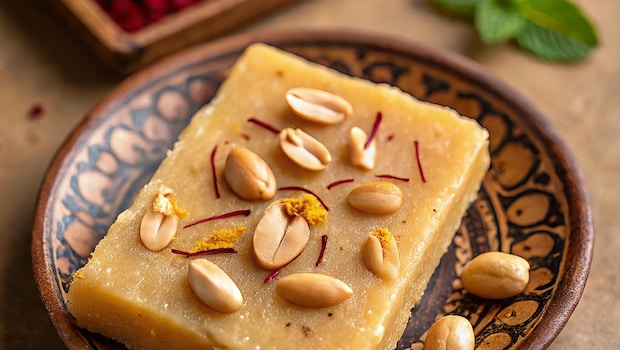
Indian milk sweets like barfi, peda, kalakand are made by reducing milk with sugar until thick. Flavoured with cardamom, saffron, nuts. Cut into diamonds or shaped into rounds. Served at festivals, celebrations.
The Mexican Side:
Mexican milk candies like cajeta (goat milk caramel), cocadas (coconut balls), and various dulce de leche sweets use similar techniques: slow-cooking milk with sugar, sometimes adding coconut or nuts.
The Parallel:
Both cuisines celebrate milk-based sweets. Both use slow reduction techniques. Both add nuts for texture. Both are festival foods. The shapes, colours, and even flavours are strikingly similar. Both cultures use these sweets for celebrations, religious offerings, and gifts.
Simple Barfi Recipe:
- 2 cups milk powder
- 1 cup condensed milk
- 2 tablespoons ghee
- ½ teaspoon cardamom powder
- Chopped nuts for garnish
Mix milk powder and condensed milk in a pan. Add ghee, cook on low heat, stirring constantly until mixture thickens and leaves pan sides (8-10 minutes). Add cardamom. Spread in greased tray, press nuts on top. Cool, cut into diamonds.
Why These Parallels Exist: Cultural and Agricultural Similarities
1. Corn, Beans, Rice as Staples:
Both India and Mexico are ancient agricultural civilizations. Corn in Mexico, rice in India. Both adopted beans (rajma in India, frijoles in Mexico) as protein sources. These staples shaped cooking techniques and dishes.
2. Hand-Eating Cultures:
Both cultures traditionally eat with hands. This necessitated flatbreads as edible utensils, leading to rotis/tortillas. The tactile relationship with food is sacred in both cultures.
3. Mortar and Pestle Tradition:
Both cuisines predate modern appliances. The stone mortar and pestle (silbatta in India, molcajete in Mexico) remains the preferred grinding tool. This creates similar textures in chutneys/salsas.
4. Spice Love:
Both cultures embrace heat. Indian chillies, Mexican chillies—different varieties but same philosophy. Food should stimulate, challenge, excite.
5. Street Food Culture:
Both have vibrant street food traditions. Vendors selling fresh, made-to-order food. Communal eating in public spaces. Food as social glue.
The Indian-Mexican Blend
The parallels between Indian and Mexican cuisines aren't accidents or borrowings. They're the result of two ancient cultures independently solving similar culinary challenges with similar ingredients and techniques. Both transformed corn, beans, and rice into national identities. Both elevated street food to art forms. Both made flatbreads sacred. Both worship spice. These similarities remind us that despite geographical separation, human ingenuity follows similar paths. When faced with corn, people everywhere figured out flatbreads. When blessed with abundance, cultures everywhere celebrate with sweets. Food is universal language, and India and Mexico speak the same dialect. We're more connected than we realise. Food proves it. And honestly, that's beautiful.