

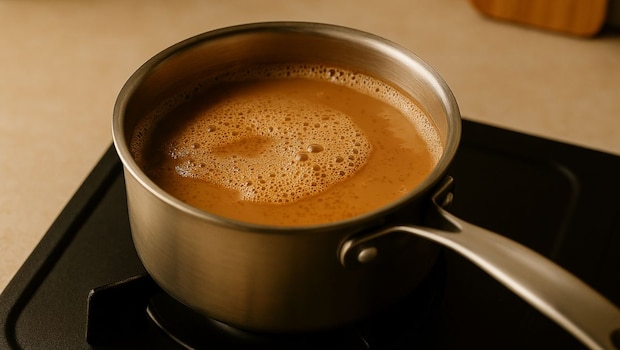
A cup of chai is supposed to comfort you and not make you wince at the first sip. Yet, bitter tea is a surprisingly common kitchen mishap, especially on rushed mornings or when the tea leaves sit a little too long on the flame. The frustrating part is that everything else might be perfect - the milk, the sugar, the temperature - and still the bitterness takes over. Throwing it away feels wasteful, but forcing yourself to drink it feels worse. The good news is that bitter tea isn't always beyond saving. With a few simple tweaks, you can balance the flavours and bring your cup back to life without starting from scratch. Here's how to fix bitter tea and make it enjoyable again.











Also Read: 7 Things Only True Gajrela Fans Will Relate To
Why Does Tea Turn Bitter In The First Place?
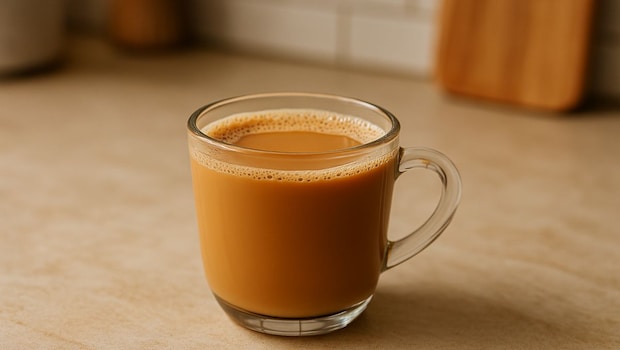
If you find your tea to become bitter in the first place, it is mainly due to over-brewing. When tea leaves are boiled for too long, they release excess tannins, which overpower the natural aroma and flavour. Using too many tea leaves, boiling tea on high heat, or reheating it multiple times can also contribute to bitterness.
This is why it is important to consume tea fresh and brew it to the point it releases its colour.
Here's How You Can Fix Bitter Tea At Home
1. Dilute And Balance With Milk Or Water
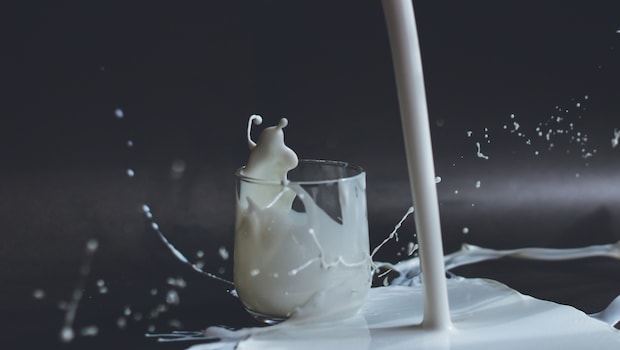
Photo: Unsplash
When tea turns overly strong or bitter, the simplest solution is to reduce its intensity. Dilution helps soften tannins and restore a smoother taste without losing the essence of the brew.
- For regular chai: Add a splash of hot milk to mellow sharp tannins and soften the taste.
For black or lemon tea: Add a little hot water to reduce concentration without ruining flavour.
- Always stir well and taste before adjusting further.
2. Add A Dash Of Lemon Juice
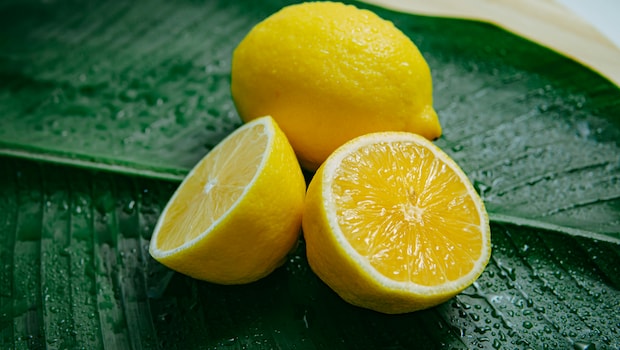
Photo: Unsplash
Citrus works wonders in cutting through bitterness and adding brightness to your tea. Lemon juice introduces a refreshing tang that balances harsh notes and uplifts the aroma.
- Works best for black or green tea.
- Avoid adding lemon to milk-based chai, as it can curdle the milk.
3. Use A Pinch Of Salt

Salt is a secret weapon in culinary balancing as it neutralises bitterness without making your tea taste salty. This trick is quick, effective, and perfect for teas that feel too harsh.
Add just a pinch of salt as too much will ruin the taste.
- This trick works well for strong black tea or herbal blends.
4. Infuse Fresh Herbs
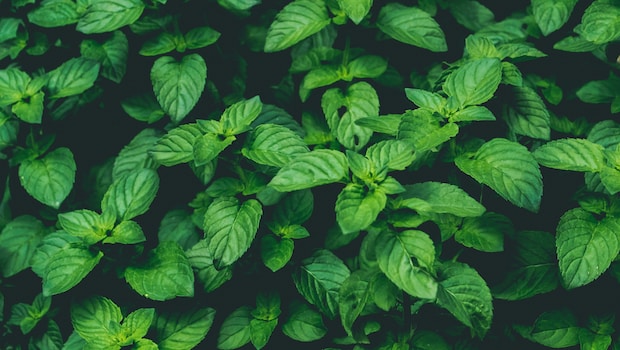
Photo: Unsplash
Fresh herbs not only mask bitterness but also add a soothing aroma and a layer of complexity to your tea. They make the drink feel more refreshing and less overpowering.
- Mint leaves or tulsi (holy basil) are great options.
Crush them lightly before adding for maximum flavour.
- Avoid powdered herbs as they can make the tea muddy.
5. Transform Into Iced Tea
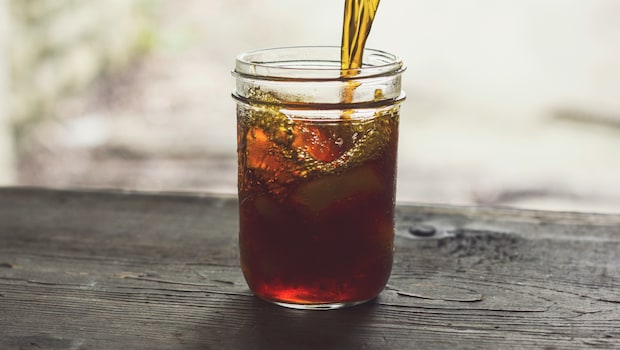
Photo: Unsplash
Instead of discarding bitter tea, turn it into a chilled beverage that feels intentional and refreshing. Cold temperatures and added flavours can completely change the taste profile.
- Cool the tea and add ice cubes, honey, and lemon slices.
Enhance the flavour with fruits like berries or orange wedges.
- This works best for black or green tea.
6. Add A Drop Of Vanilla Or Honey
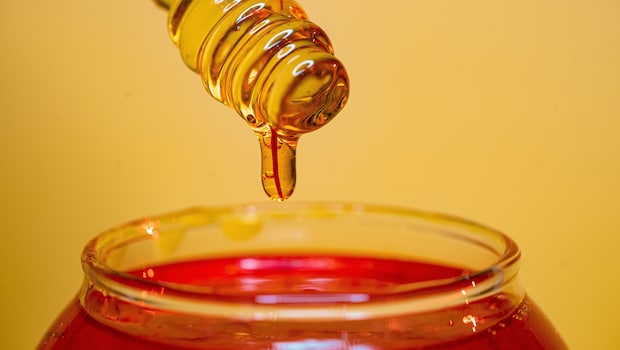
Photo: Unsplash
Sweet and aromatic additions like vanilla or honey can soften harsh notes and add depth to your tea. These ingredients complement the natural flavours without overpowering them.
- Honey works well for herbal or black teas.
- Vanilla adds a subtle sweetness without making the tea cloying.
Other Common Mistakes That Make Tea Bitter

Apart from over-brewing and reheating, there are a few lesser-known mistakes that can ruin your tea's taste:
1. Using Hard Water
Hard water contains minerals that react with tannins, making tea taste harsh and metallic. Always use filtered or soft water for brewing.
2. Adding Tea Leaves Before Water Boils
Dropping tea leaves into lukewarm water can lead to uneven extraction, causing bitterness. Always wait for the water to reach the right temperature before adding tea.
3. Ignoring Tea Type and Brewing Time
Different teas need different brewing times. Green tea, for example, turns bitter quickly if steeped too long. Know your tea type and follow its ideal brewing duration.
4. Using Stale or Low-Quality Tea Leaves
Old or poor-quality tea leaves release more tannins and lack aroma. Store tea properly in an airtight container away from moisture and sunlight.
Also Read: 7 Iconic Kebabs From Around The World: Turkish, Persian, Lebanese & Indian Varieties Explained
How To Prevent Bitter Tea Next Time

A few smart steps can ensure your tea tastes perfect every time:
1. Measure Your Tea Leaves
Avoid guesswork. Use the recommended quantity, usually 1 teaspoon per cup for loose leaves.
2. Control Water Temperature
Boiling water is fine for black tea, but green and white teas need slightly cooler water (around 80°C) to prevent bitterness.
3. Brew on Low to Medium Heat
High flame accelerates tannin release. Simmer gently for a balanced flavour.
4. Strain Promptly
Once the colour and aroma develop, strain immediately. Leaving tea leaves in hot water even for a minute longer can make it bitter.
5. Avoid Reheating Tea
Reheating breaks down compounds and intensifies bitterness. Brew fresh whenever possible.
6. Store Tea Properly
Keep tea leaves in an airtight container in a cool, dry place to maintain freshness and prevent harsh flavours.
So, the next time your tea turns bitter, you know what to do!