


The Festive season often means eating more than usual portions. Be it fried snacks, rich gravies, sweets or just nibbling on bite-sized food. And while enjoying these foods is part of the celebrations, it does change our eating routine. In fact, most of the time, we are left feeling bloated or uncomfortable.











At such times, experts often recommend us to have fermented foods to keep our gut balanced and healthy. So, this festive season, in case you are planning to eat foods that are out of your diet, here are some expert-recommended probiotics that can easily help keep your gut up and running.
ALSO READ | What Is The Right Way To Eat Kiwi? Expert Shares
What Exactly Are Fermented Foods?
Fermentation is a natural process in which microorganisms such as bacteria and yeast break down sugars and starches in food. This process can alter a food's flavour, texture and nutritional profile. However, not all fermented foods are probiotics. According to Shalini Sudhakar, foods that are heated or cooked after fermentation may lose the live beneficial bacteria that make probiotics valuable. This means that while foods like idli, dosa and dhokla are fermented, they are not typically considered probiotic foods by the time they are eaten because they have been cooked.
How Do Probiotics Help Our Gut Health?
Probiotics are live microorganisms that can help maintain a healthy balance of bacteria in the gut. A diverse and balanced gut microbiome is often associated with better digestion and overall gut function.
According to Shalini Sudhakar, including naturally fermented foods that contain live cultures can be a simple way to introduce beneficial bacteria into your daily diet.
4 Probiotics That You Can Easily Make At Home
If you are planning to make probiotics a daily part of your diet, here are some expert-recommended recipes you can easily make at home.
1. Fermented Rice Kanji

One of the simplest probiotic foods to prepare at home, fermented rice kanji requires just cooked rice and water.
Method:
- Soak cooked rice in clean drinking water in a clean vessel.
- Cover and leave at room temperature for 8-12 hours, depending on the weather.
- The next morning, consume it fresh, with a little salt if desired.
Fermented rice kanji is especially easy to make because it uses ingredients that are already present in many Indian kitchens. It requires very little preparation and can be ready overnight.
2. Fermented Ragi Kanji
Ragi is a staple ingredient in many households and can also be turned into a probiotic-rich drink through fermentation.
Method:
- Cook ragi flour with water until it forms a smooth porridge. Allow it to cool completely.
- Add a spoonful of plain, live-culture curd and mix well.
- Cover and ferment in a clean vessel for 6-8 hours in a warm place.
- Refrigerate once fermented.
For those who regularly consume ragi, this can be an easy way to add probiotics to their diet while using a familiar ingredient.
ALSO READ | You May Be Taking Isabgol Wrong. These 4 Combinations Serve Different Purposes
3. Homemade Greek Yogurt
Greek yogurt can be prepared at home using milk and a small amount of yogurt containing live cultures.
Method:
- Heat 500 ml milk, then cool until lukewarm.
- Mix in 1-2 teaspoons of plain yogurt containing live cultures.
- Cover and leave in a warm place for 6-10 hours until set.
- Refrigerate.
- Strain through a clean muslin cloth for 2-4 hours to get thick, creamy Greek yogurt.
Homemade Greek yogurt is a practical probiotic option because it uses ingredients that are easily available and can be incorporated into meals or snacks throughout the day.
4. Fermented Amla
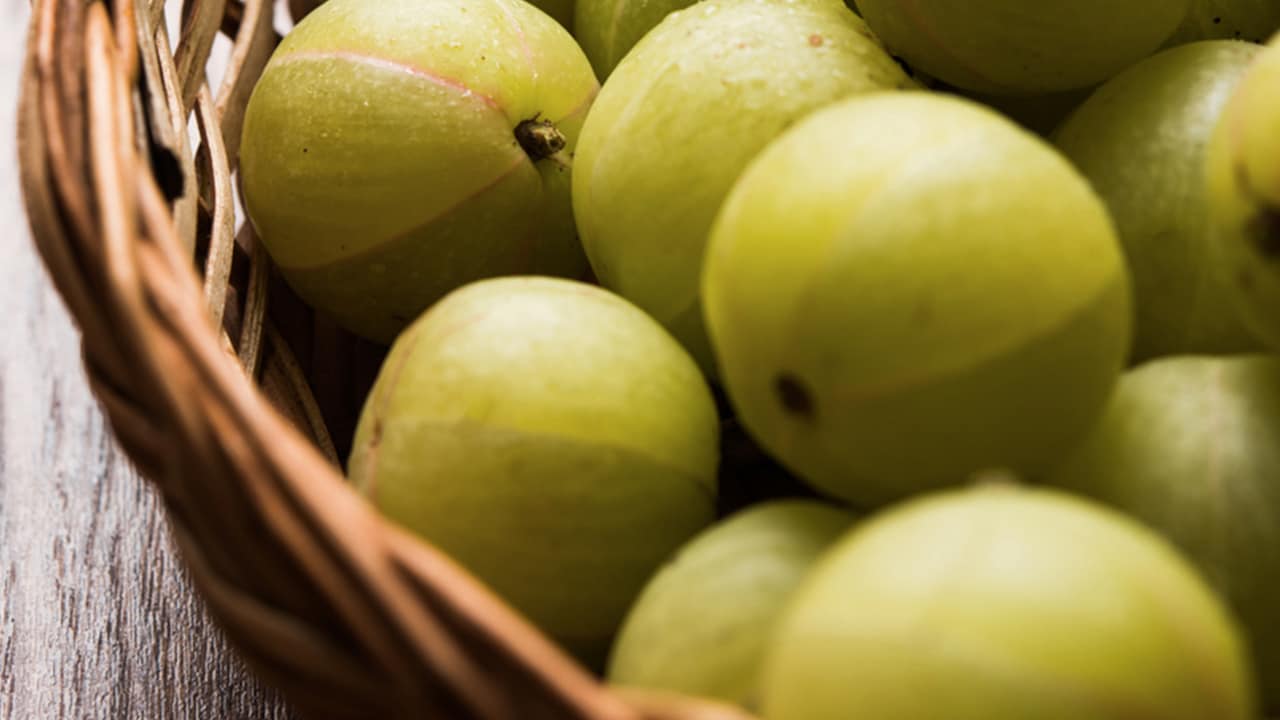
Amla is commonly used in Indian households and can also be fermented at home with just salt and water.
Method:
- Wash and thoroughly dry fresh amla.
- Cut into pieces and place in a clean glass jar.
- Add 2% salt by weight (20 g salt per 1 kg amla) and enough boiled-and-cooled water to submerge.
- Keep the amla submerged, cover with a fermentation lid, and ferment at room temperature for several days.
- Once pleasantly sour, refrigerate.
So, while fermentation is a common practice across many cuisines, choosing foods that retain their beneficial bacteria is key for those looking to support gut health through diet. So, which fermented food option are you planning to try first? Let us know in the comments below.